
Loading…
Loading…
349 of 349 places

Local legend tells of a queen mourning a king killed in battle, and a victorious sultan who finished this stepwell and then proposed to her.
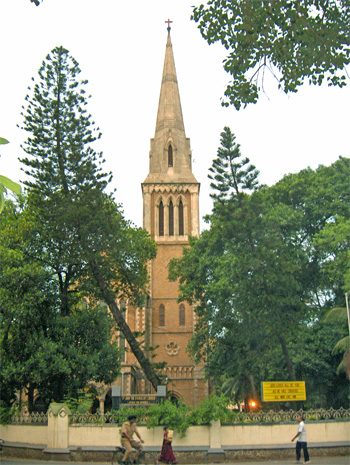
Built to remember soldiers killed in the First Anglo-Afghan War of 1838 to 1842, it carries their regiments in stained glass and marble.
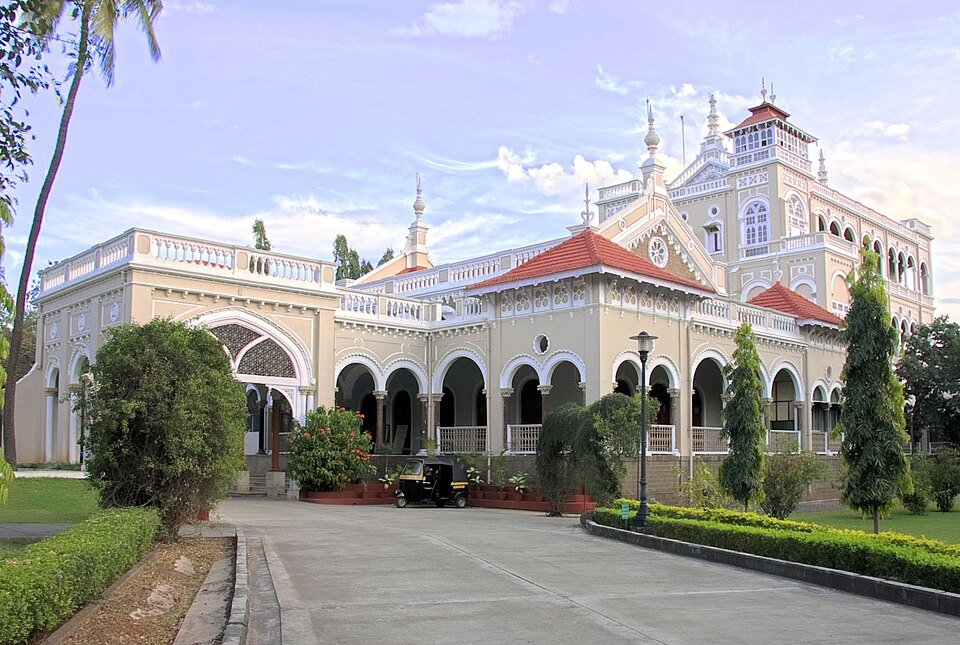
Built in 1892 as an act of charity during a famine, it later became a prison. Gandhi was held here during Quit India, and Kasturba Gandhi and Mahadev Desai died in custody. Their memorials stand in the garden.

In his final years, Shah Jahan was imprisoned here by his own son, gazing at the Taj Mahal, the tomb he built for his wife.

108 stone steps lead down to what was once a deep water tank, between walls built to pull your eye toward the water.

Forgotten for over 1,000 years, until a British cavalry officer stumbled on these caves in 1819 while hunting a tiger.
A Sufi shrine to Khawaja Moinuddin Chishti, visited by pilgrims from across religious communities.
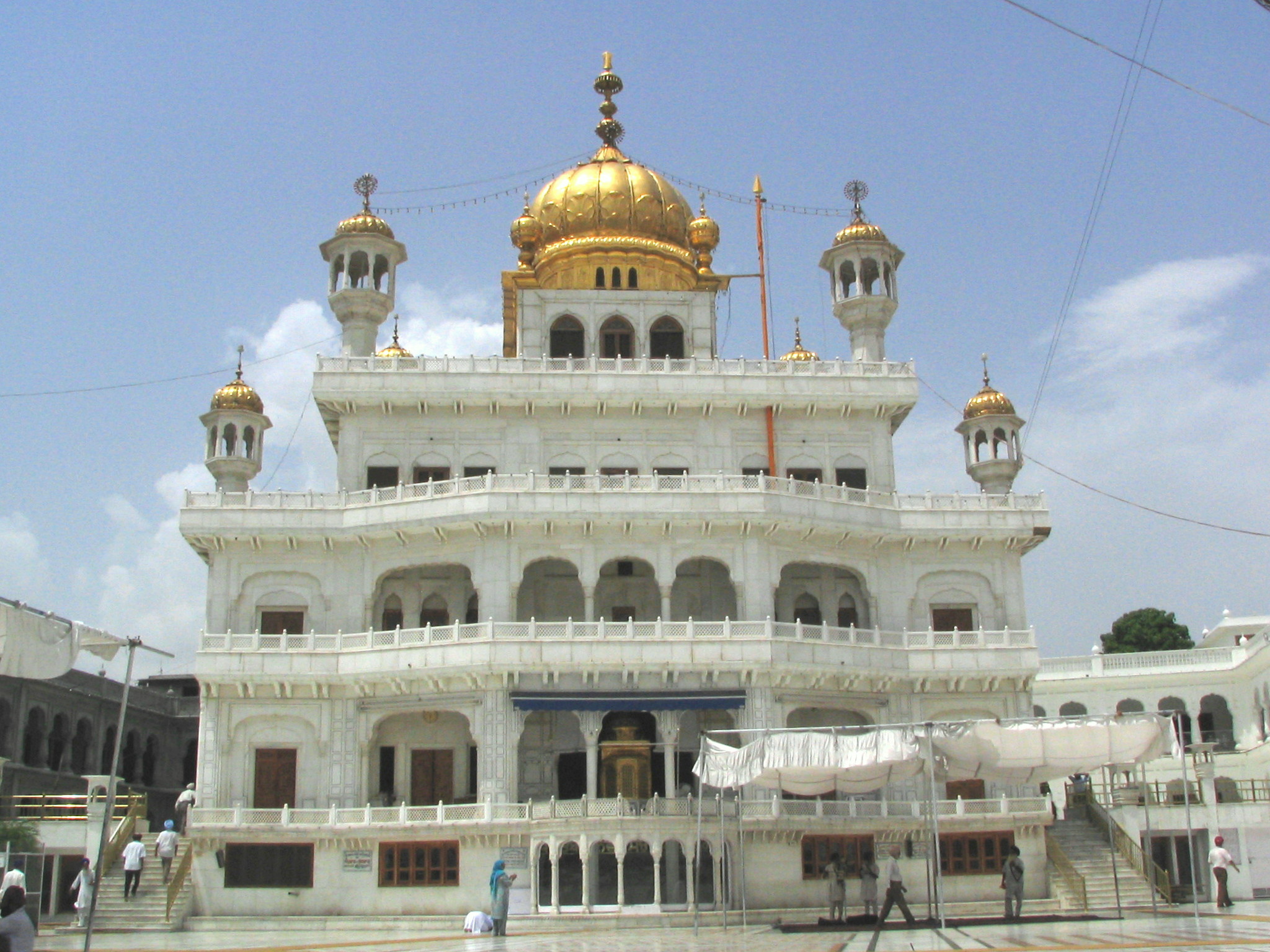
Its name means Throne of the Timeless One. It is the foremost of Sikhism's five Takhts, where the community's temporal and spiritual matters are decided.

Akbar's mausoleum blends Hindu, Islamic, Christian and Jain motifs, reflecting his belief in religious inclusivity.
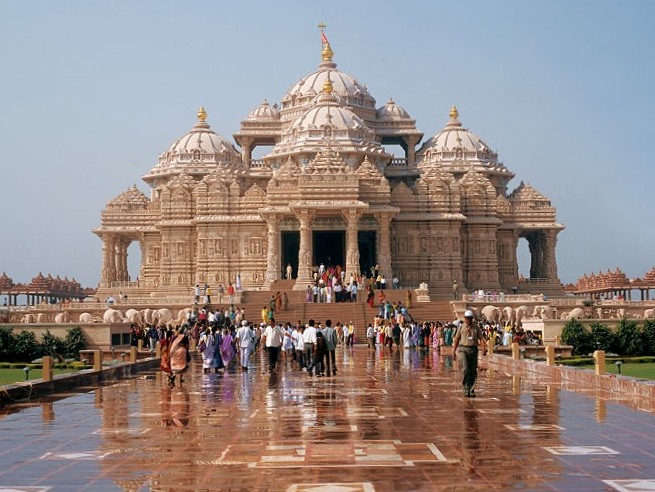
Built without a single piece of steel, from pink sandstone and Italian marble, by the hands of over 7,000 artisans.

This was the original Akshardham, built years before the larger Delhi temple opened in 2005.
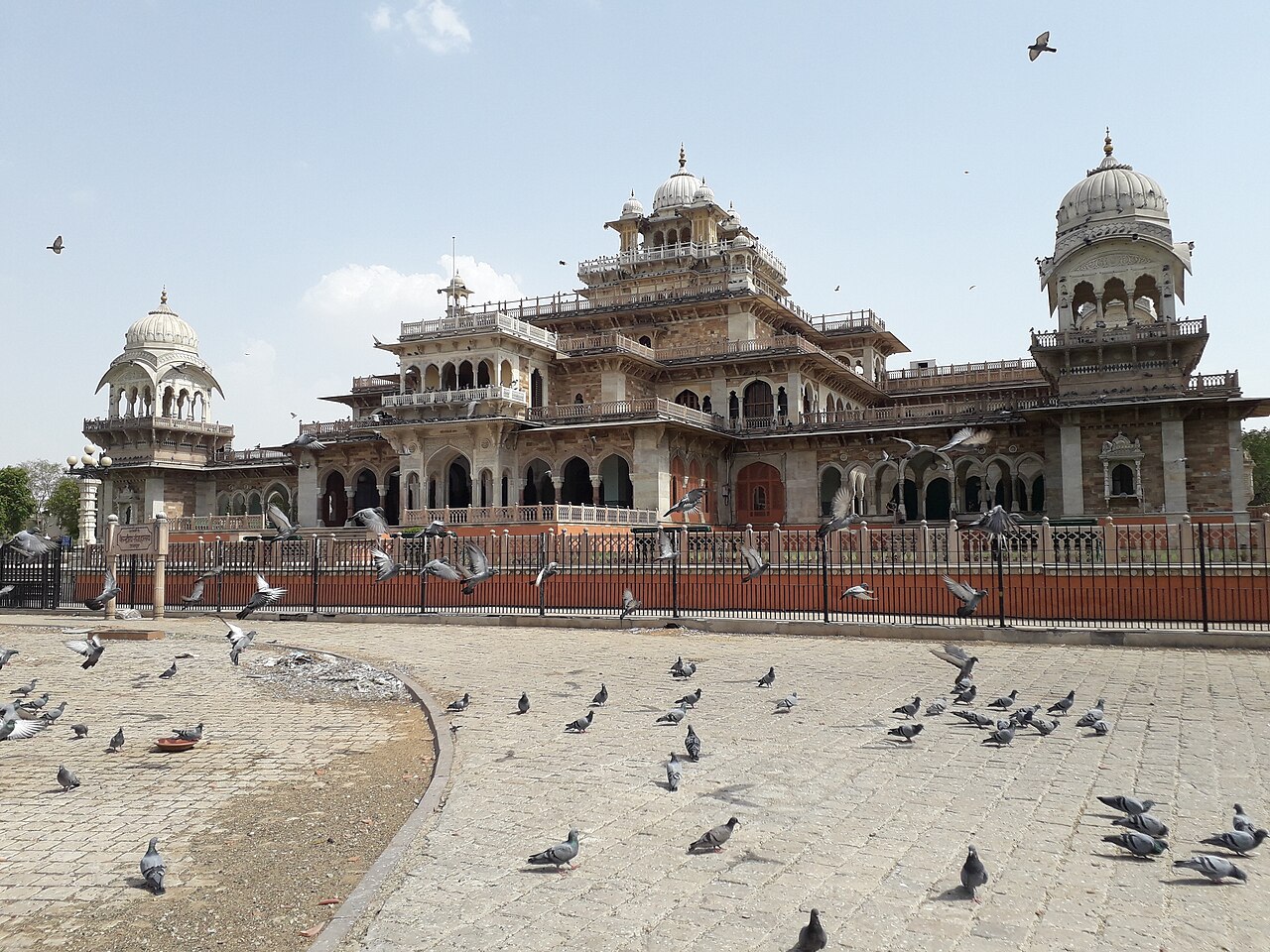
Rajasthan's oldest and largest museum holds one of only four Egyptian mummies in India.

The backbone of Alleppey, a network of lagoons and lakes, and home to the annual boat race, one of the largest rowing races in the world.

Coconut palm groves, evening sunsets and, in the monsoon, spectacular waves.
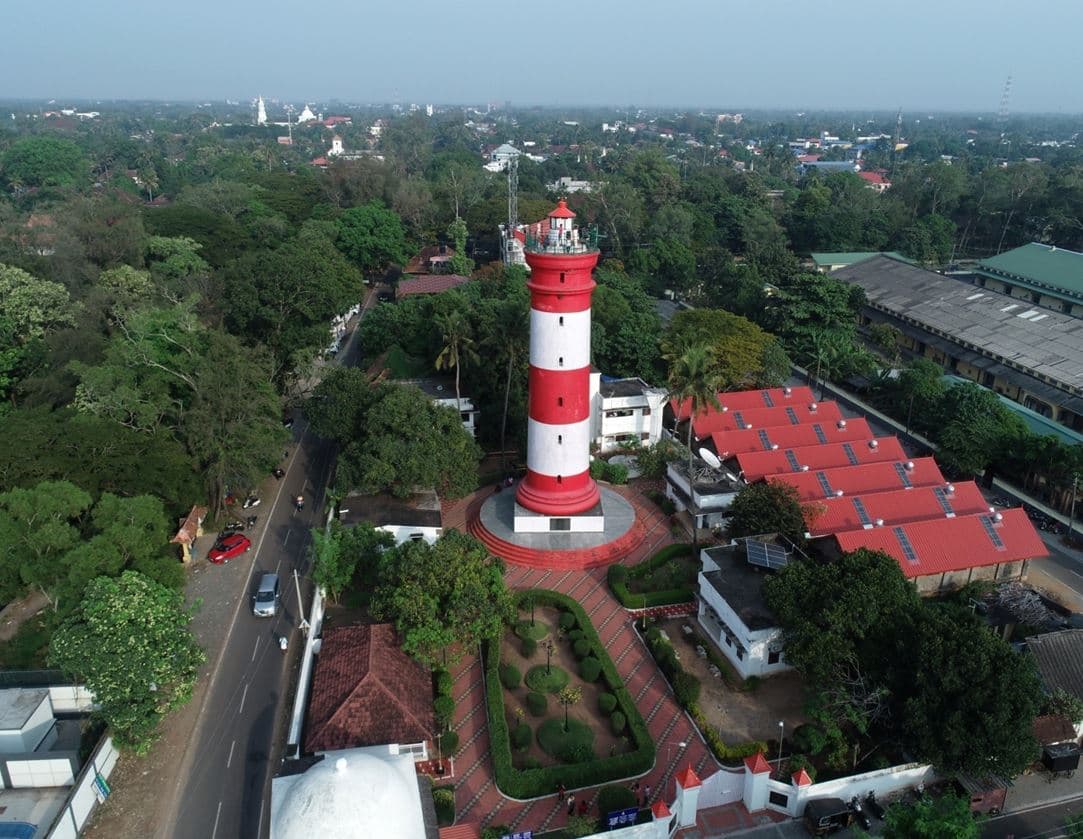
For over 160 years it has guided ships, and from its 144-foot height you can see the sea and the backwaters.

One carving shows the Buddha only through symbols, footprints and an empty throne, from an early time when showing his human form was considered inappropriate.
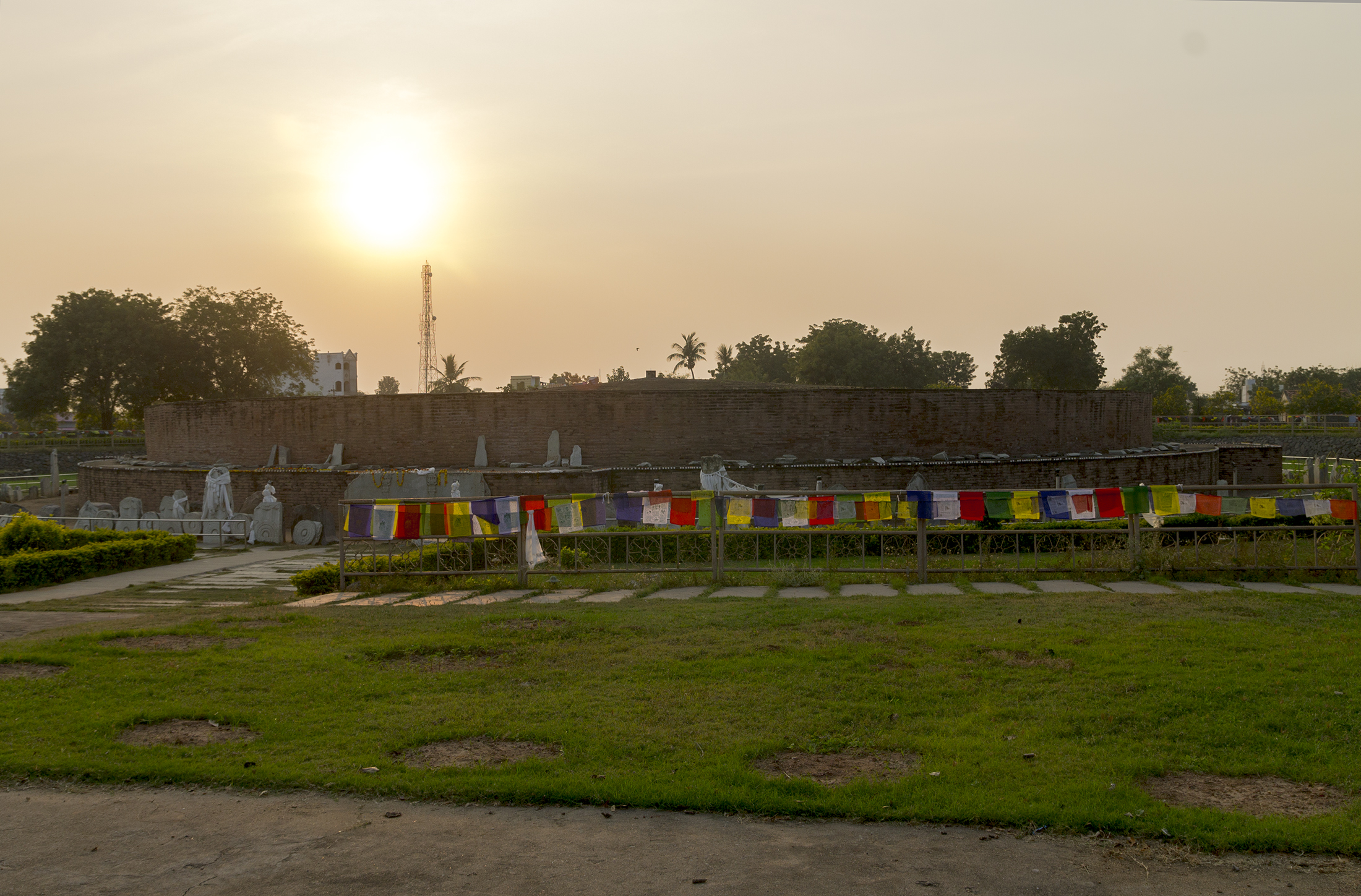
Its finest carved marble panels now sit in the British Museum in London, far from the stupa they once wrapped.

The Kachwaha capital before Jaipur even existed, in red sandstone and white marble on a hilltop.
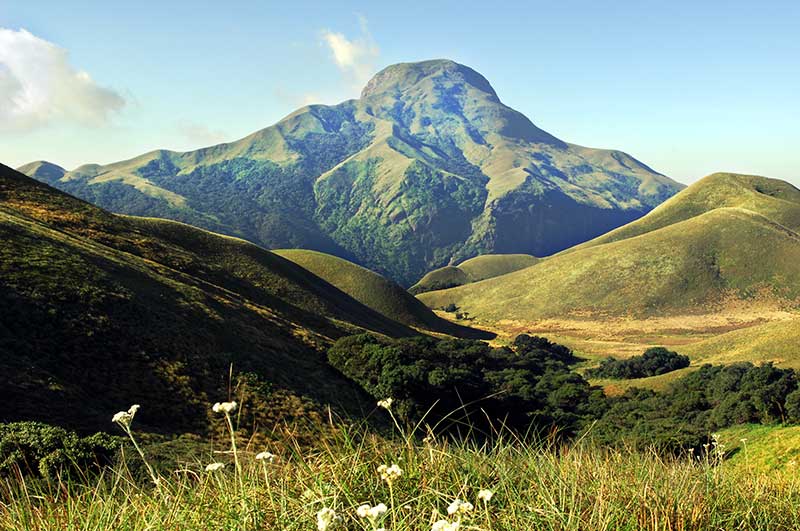
Shola forests grow protected at over 2,150 metres, in one of the highest protected areas in Kerala.

Life-size statues bring traditional Goan life to an open-air museum in Loutolim.

Here the Buddha gave his first sermon, and the four-lion capital from Ashoka's pillar here became India's national emblem in 1950.
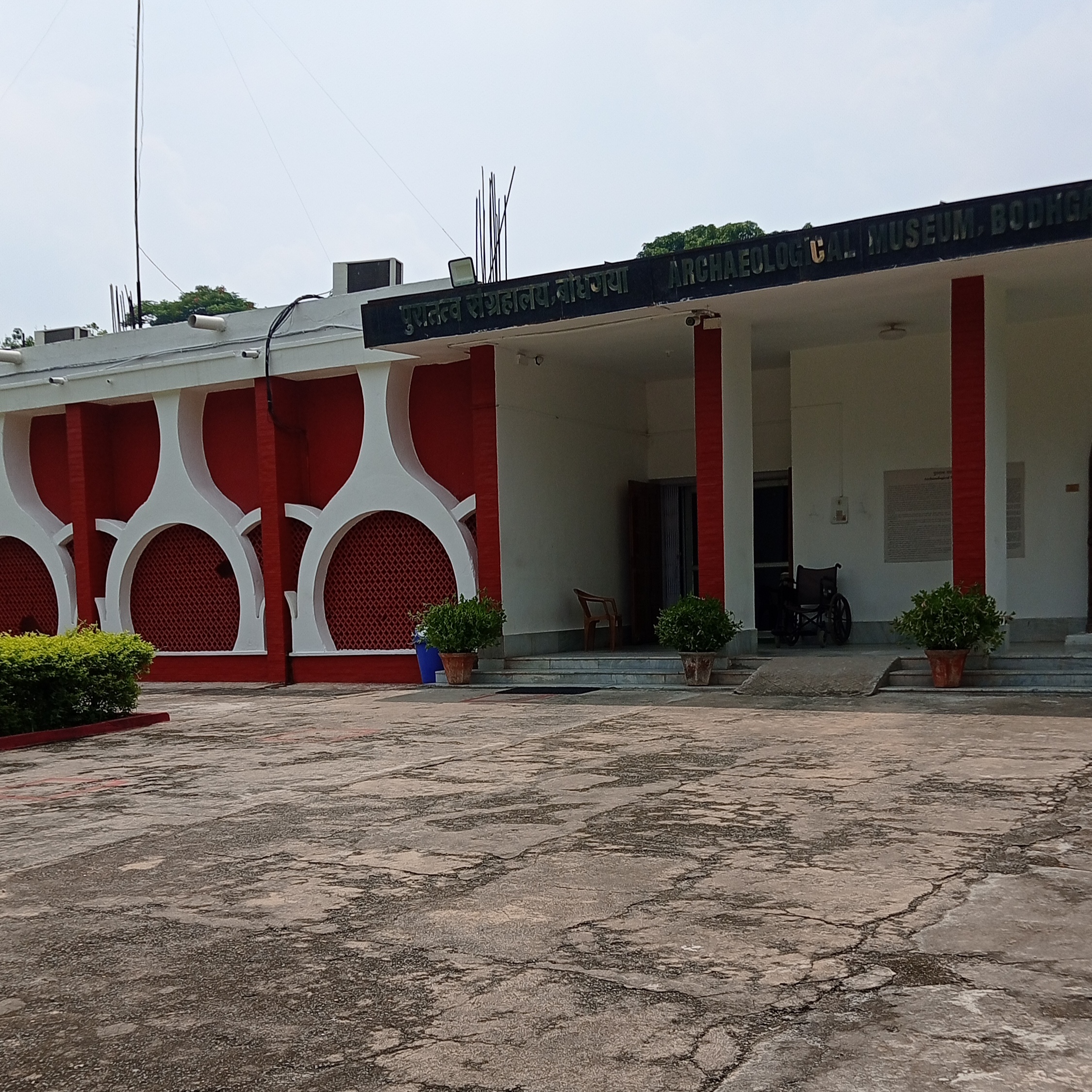
Rare Maurya and Pala period sculptures help tell how early Buddhist art developed.
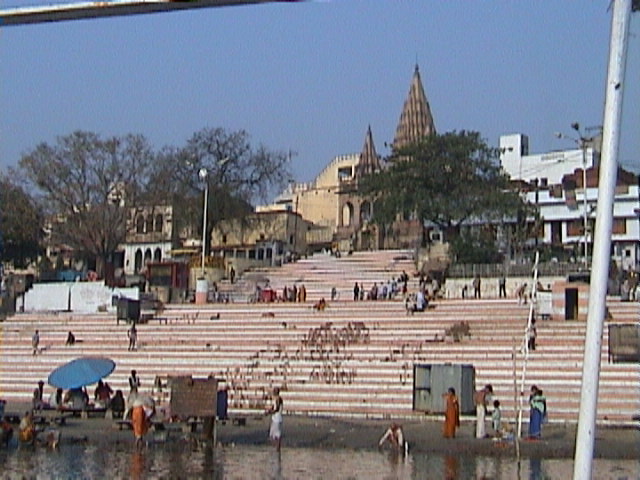
Where the Assi meets the Ganga, the day begins with sunrise yoga and morning aarti.
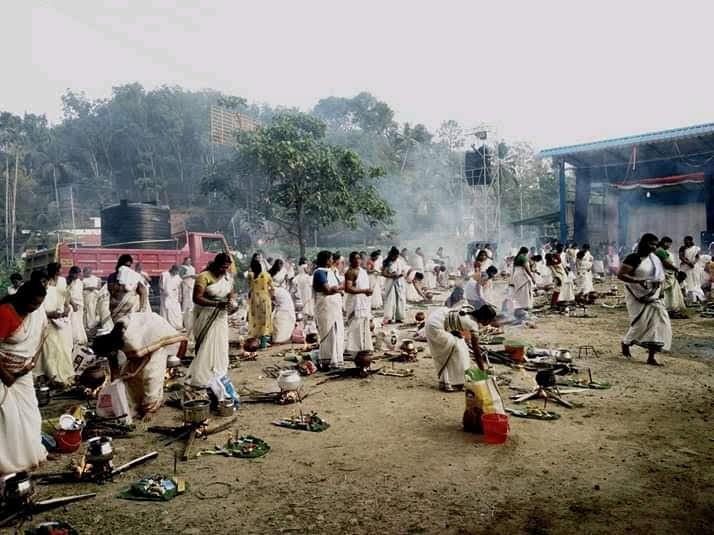
Each year over 3 million women cook a ritual offering together on the streets around this temple, a gathering recognised by Guinness.
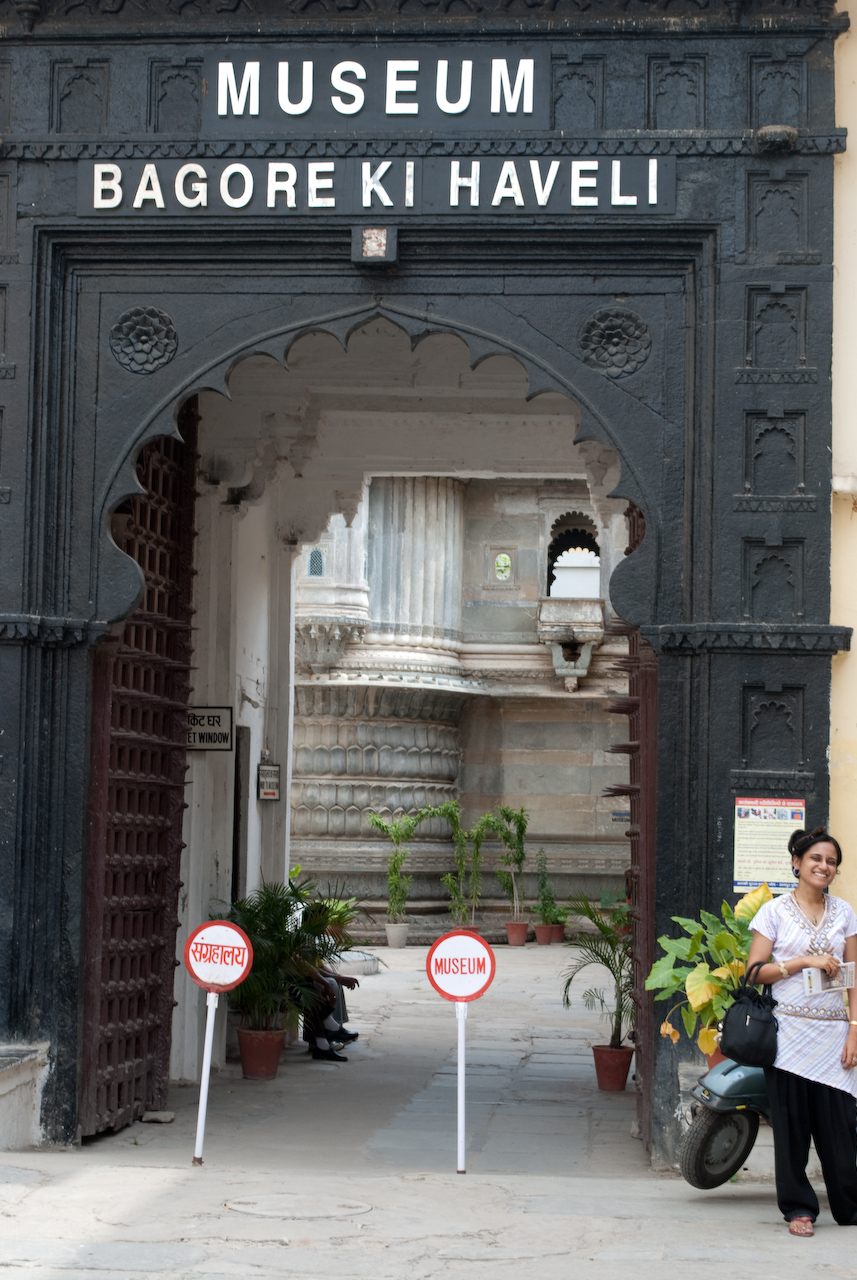
A prime minister's lakeside home, now a folk-art museum with a nightly Dharohar dance program on Lake Pichola.
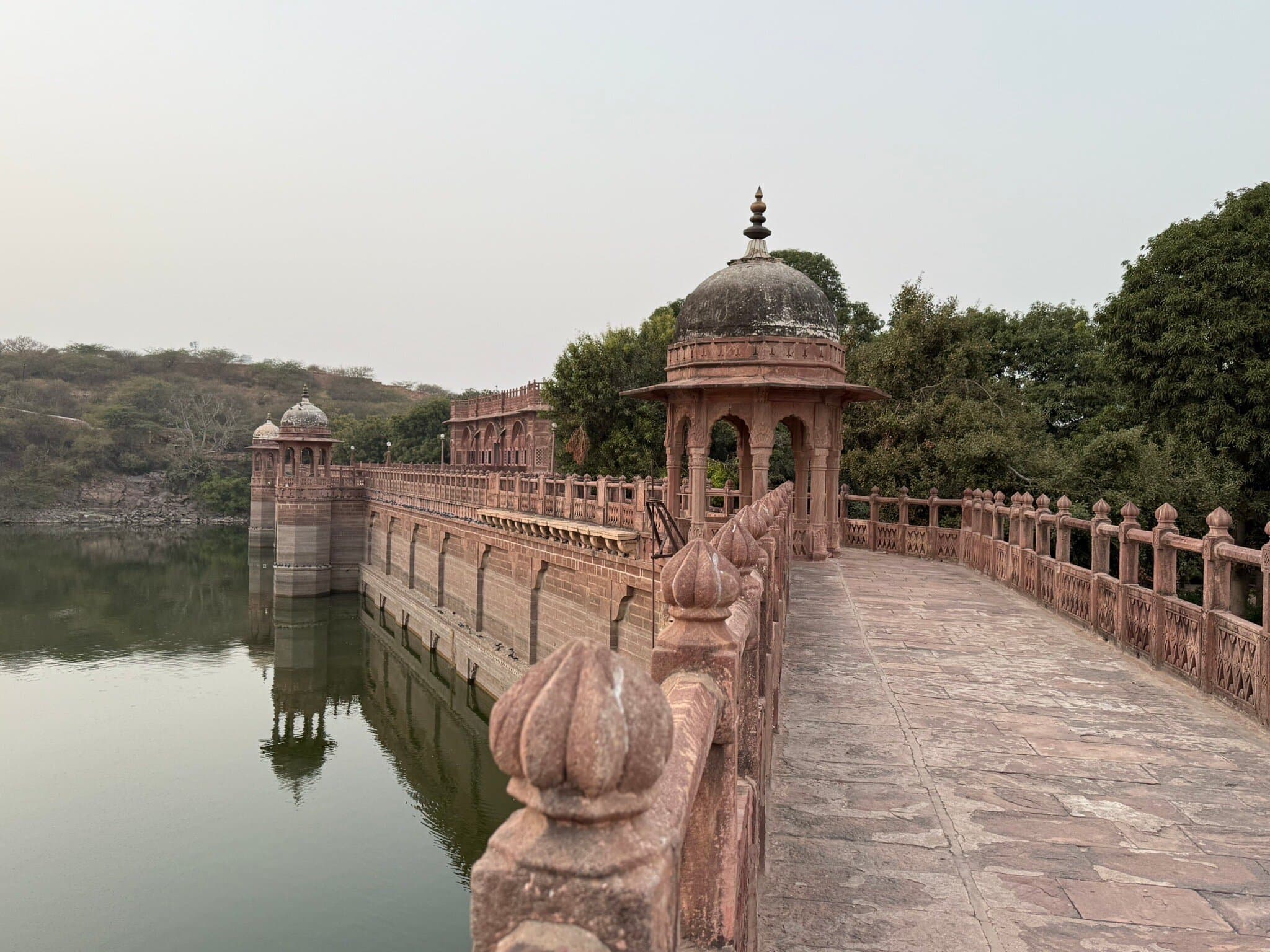
A reservoir built to bring water to Mandore, older than Jodhpur itself, later ringed with orchards and a royal summer palace.
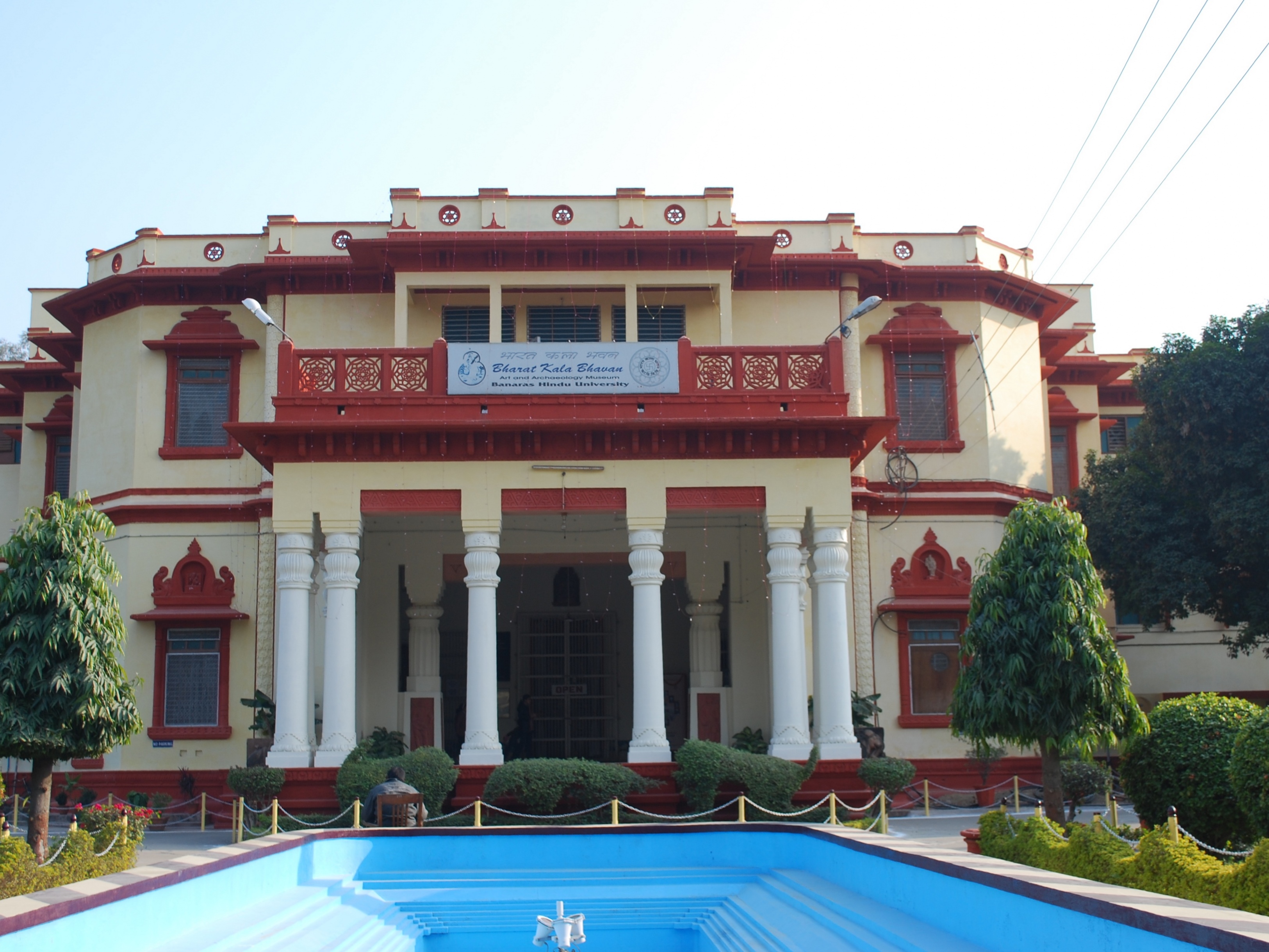
Founded in 1916 by Pandit Madan Mohan Malaviya, one of Asia's largest residential universities holds over 100,000 items of Mughal and Pahari art.

The Portuguese built it in 1640 to watch for approaching ships. Now people come to watch the sun go down.
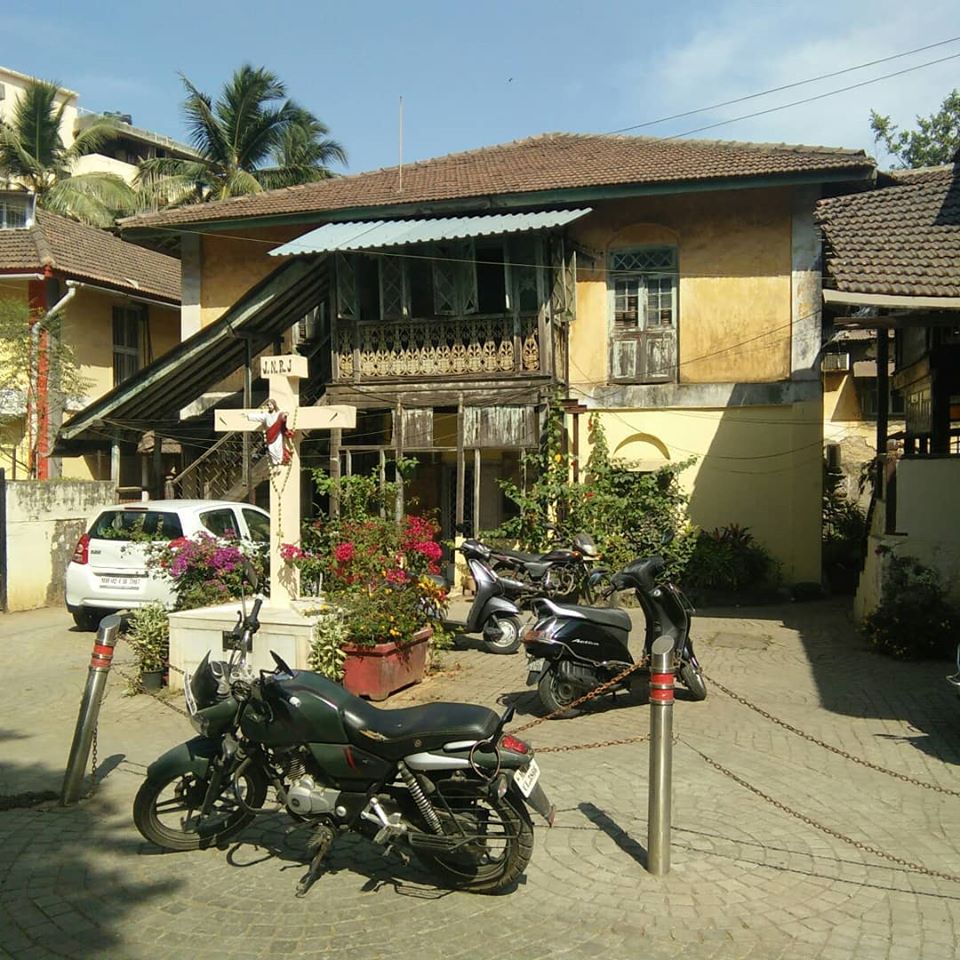
Portuguese fishing villages, old Catholic churches and the bungalows of the East Indian Catholic community, all within a single walk.

It began as a mud fort in 1537. After the British breached it in 1791, only a gate and a small Ganesha shrine were left.

A Windsor Castle look-alike in the heart of Bengaluru, still privately owned by the Wadiyar royal family.
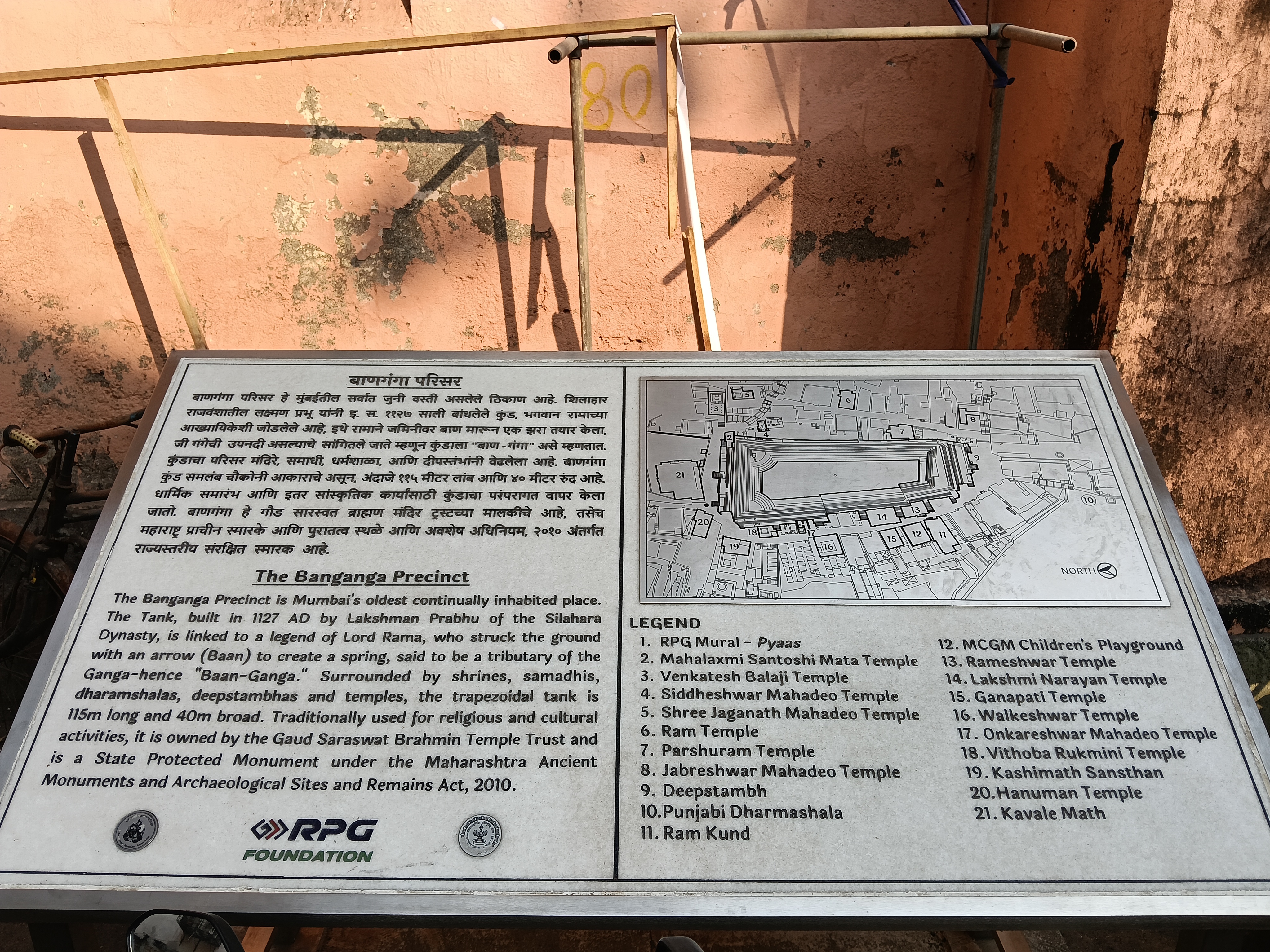
Legend says an arrow of Parashurama created this tank, which is central to Mumbai's origin story.
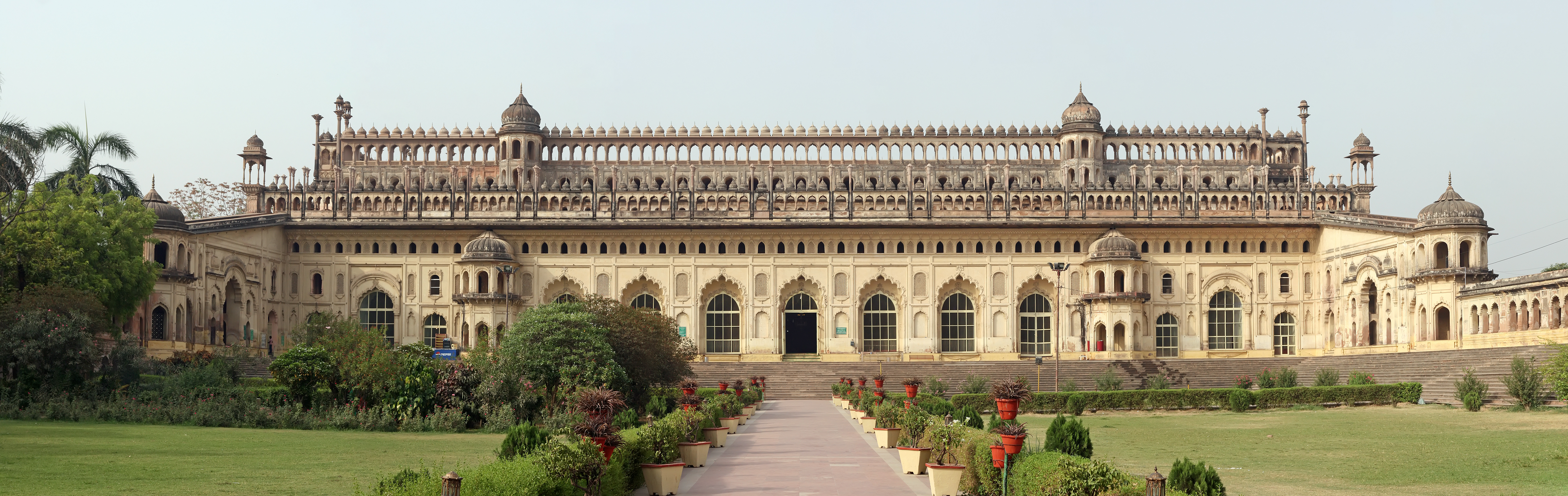
Nawab Asaf-ud-Daula built it in 1784 partly as famine relief, and its vast central arch stands without any iron reinforcement.

Home to the remains of St Francis Xavier, in a silver-and-glass casket gifted by the Grand Duke of Tuscany.

Sultan Baz Bahadur was one of Mandu's last independent rulers before the sultanate fell to the Mughals, and his palace still overlooks the plains.

It took three generations and 103 years to finish, and its soapstone walls are covered in dancers and musicians.

Its main temple was deliberately designed to blend Hindu, Christian and Islamic motifs in a single structure.
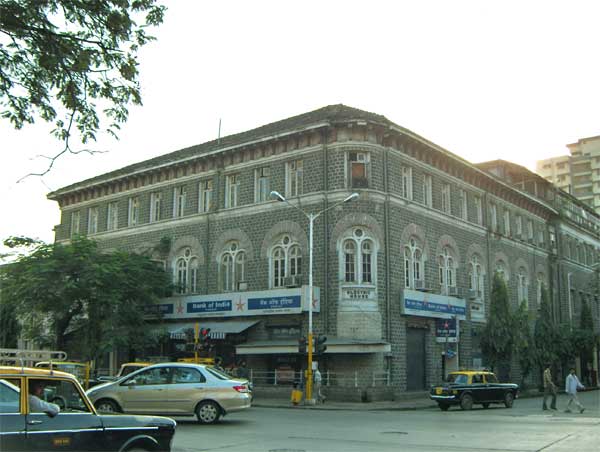
Mumbai's double-decker buses have been a fixture since 1937. Here they are kept, with old tram memorabilia, as part of the story of how the city moved.

Local legends speak of ancient curses at this ruined fort of palaces, temples and fortifications.
Rishikesh's oldest temple, its dome capped by a single 125-tonne block of rock, was rebuilt after a 1398 invasion.

Nearly a thousand years ago the work stopped mid-construction. The ramp used to haul stones to the roof still lies beside a Shivalinga nearly 7.5 feet tall.

Painted in colour and built in Bhutanese style, it is a gathering place for Bhutanese Buddhist pilgrims.
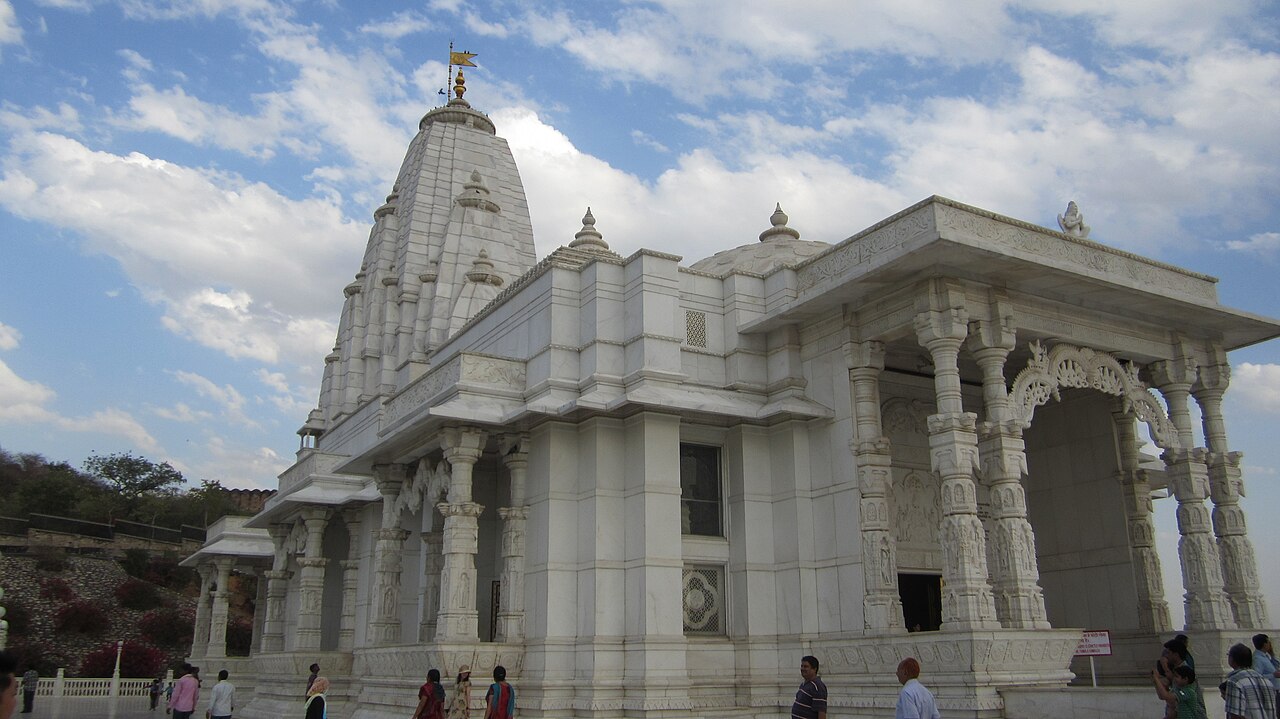
Three white-marble domes, meant to symbolise the coexistence of India's major faiths.
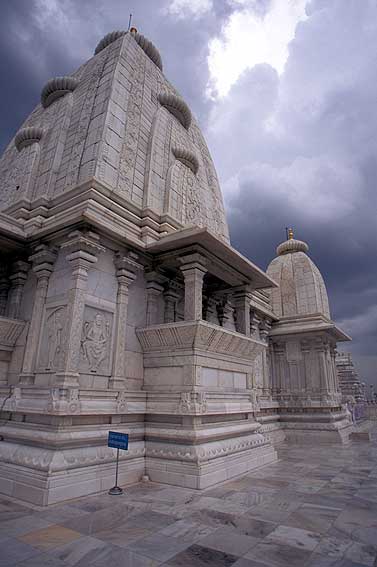
A white-marble temple to Venkateswara took over a decade to build on a hilltop, blending three architectural styles.
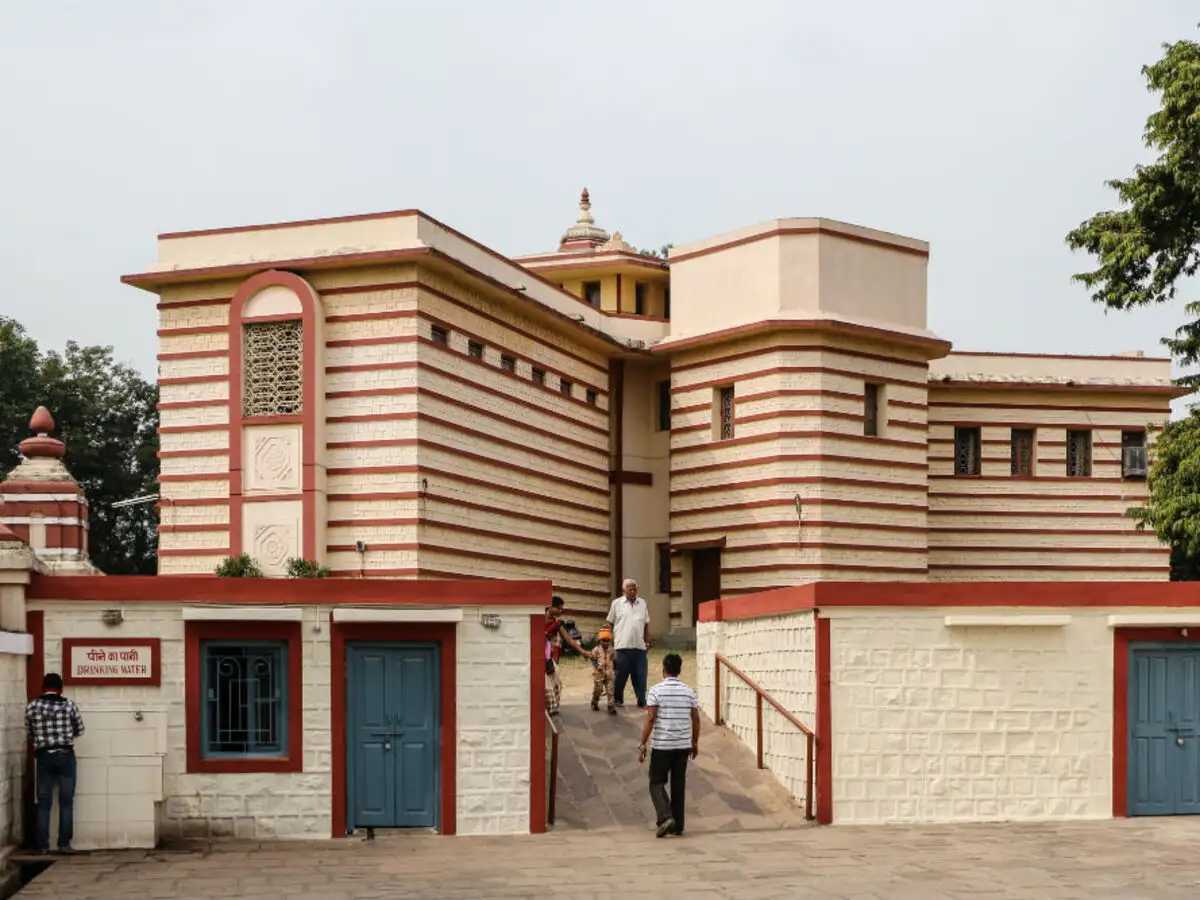
On the same hilltop as a temple still in worship, a small museum keeps sculptures, coins and artefacts from across Madhya Pradesh.

The tree here is a sapling of a sapling, its line traced through Sri Lanka back to the original beneath which the Buddha sat.
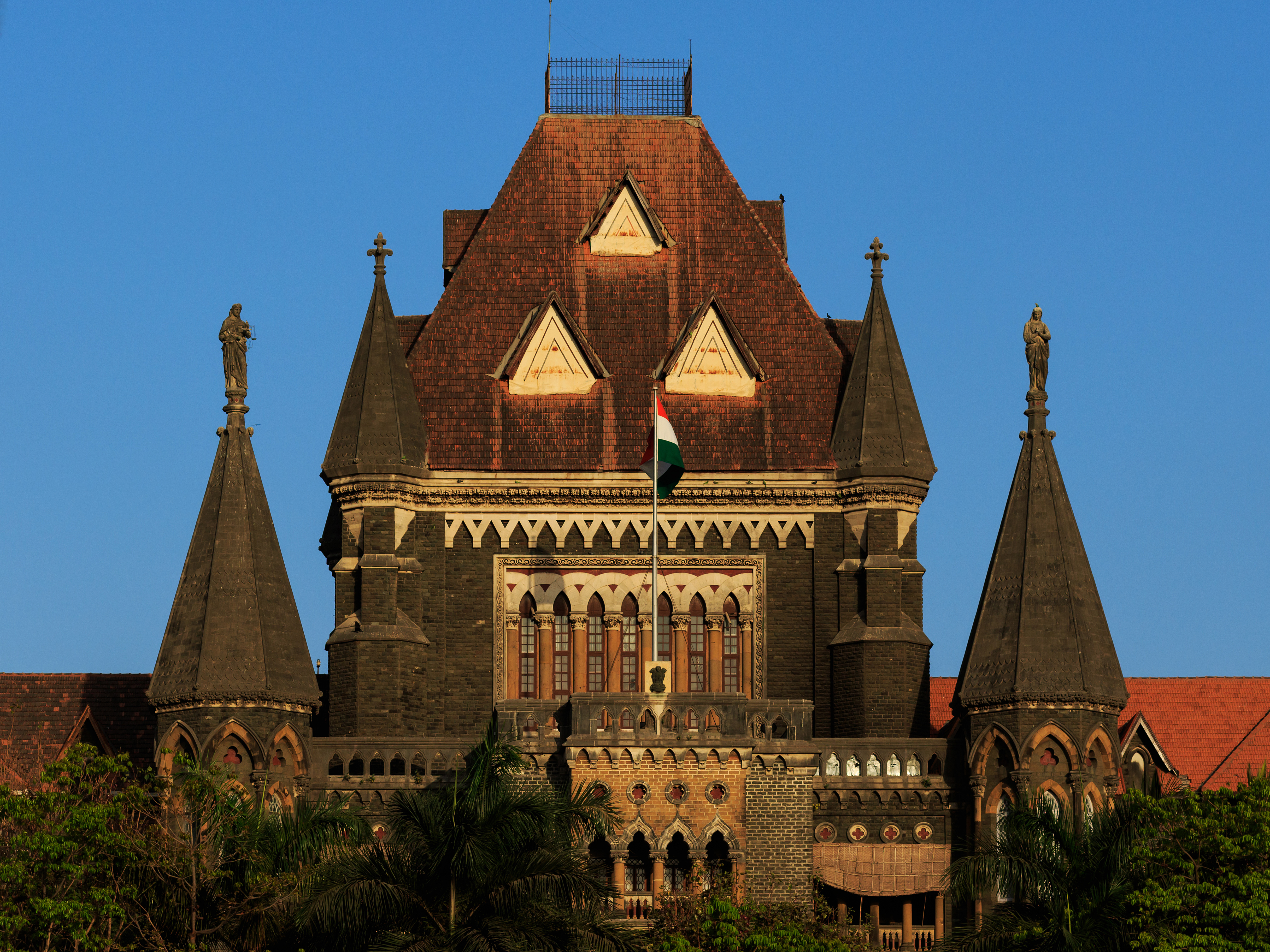
A working court in its original 1878 building keeps a small museum of its own, and the judicial history of colonial Bombay.
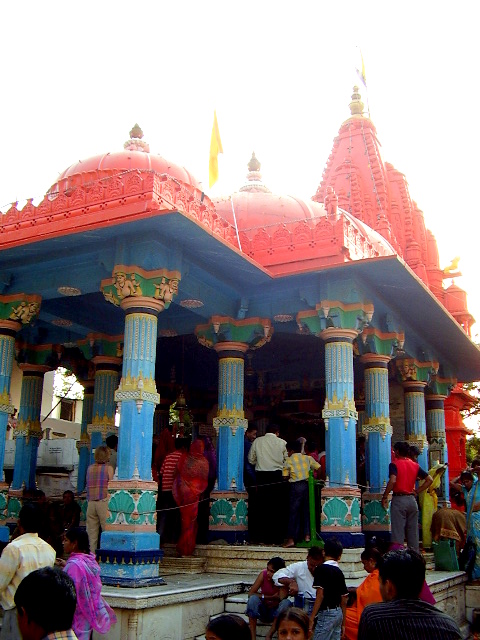
One of the very few temples dedicated to Brahma, at a place where, in Hindu mythology, he performed a sacrifice.

An 80-tonne capstone is said to have been hauled up a 6-km earthen ramp to crown this temple, finished in 1010.
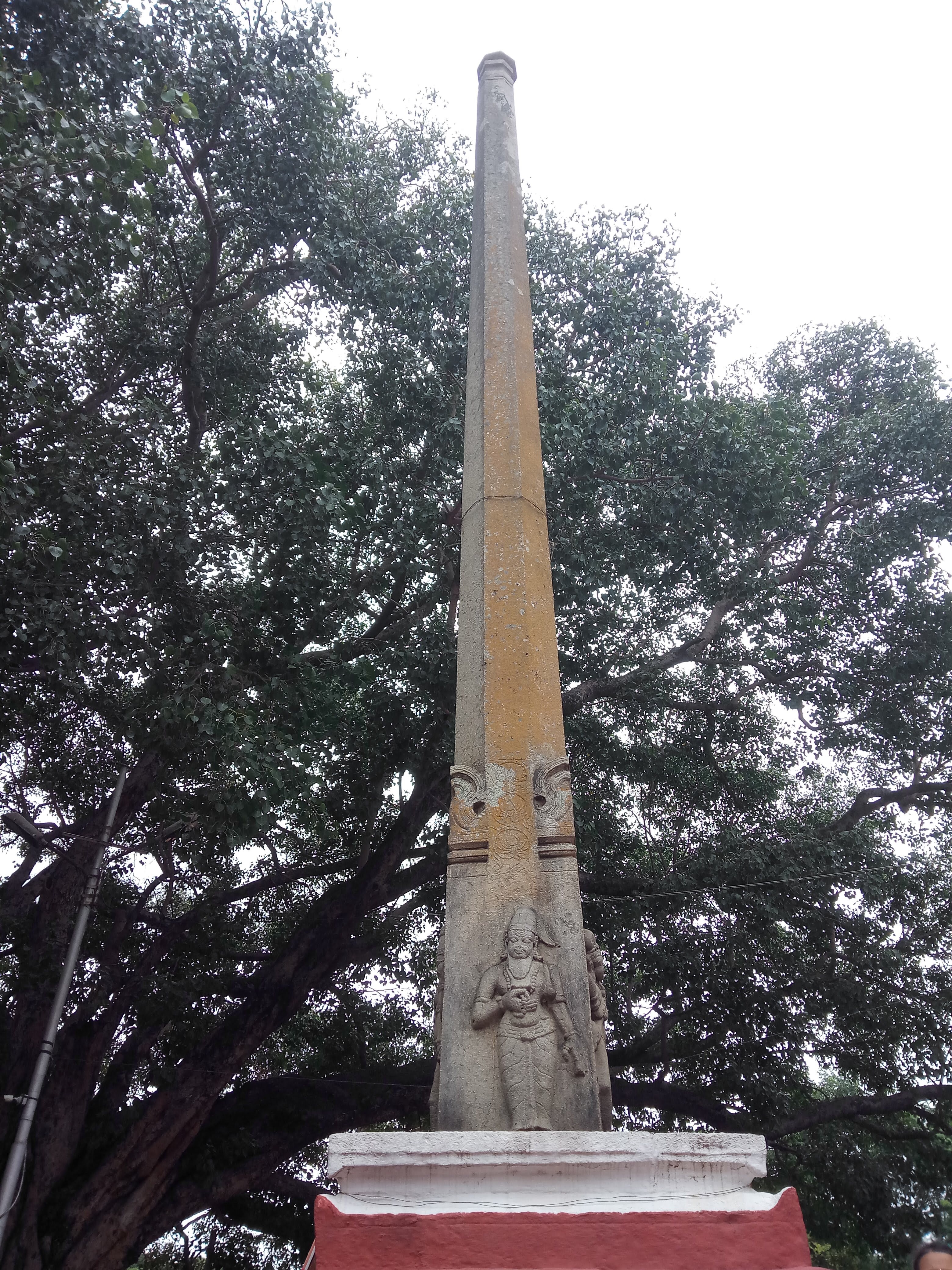
Legend says the bull grew so large it threatened nearby groundnut crops. Carved from a single block of granite, it still stands over four metres tall.

Cliffs drop steeply to the sea below this hillfort's Portuguese-era walls and the chapel inside them.
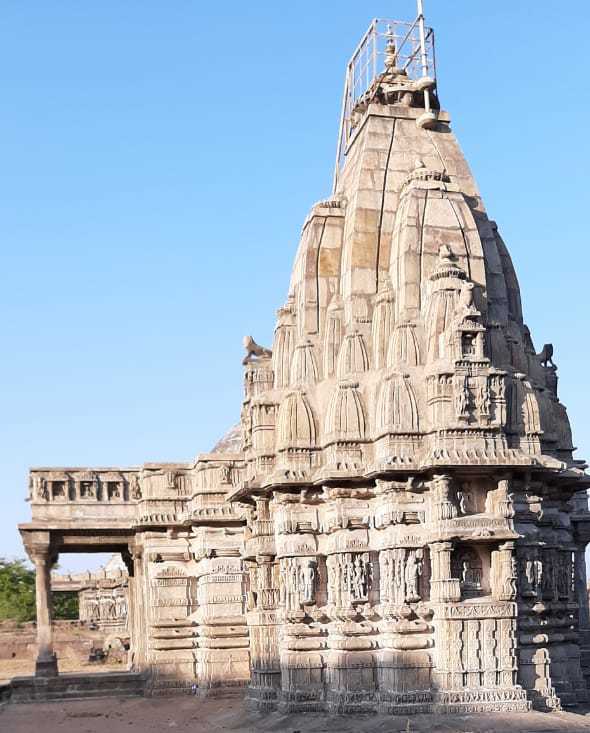
When Sultan Bahadur Shah lost it to the Mughals in 1535, the city was abandoned so abruptly that it was never resettled, leaving its 15th-century street plan almost intact.
Goddess Chamundi, believed to be Shakti's fierce form who defeated the buffalo demon Mahishasura, watches over the city from this hilltop.
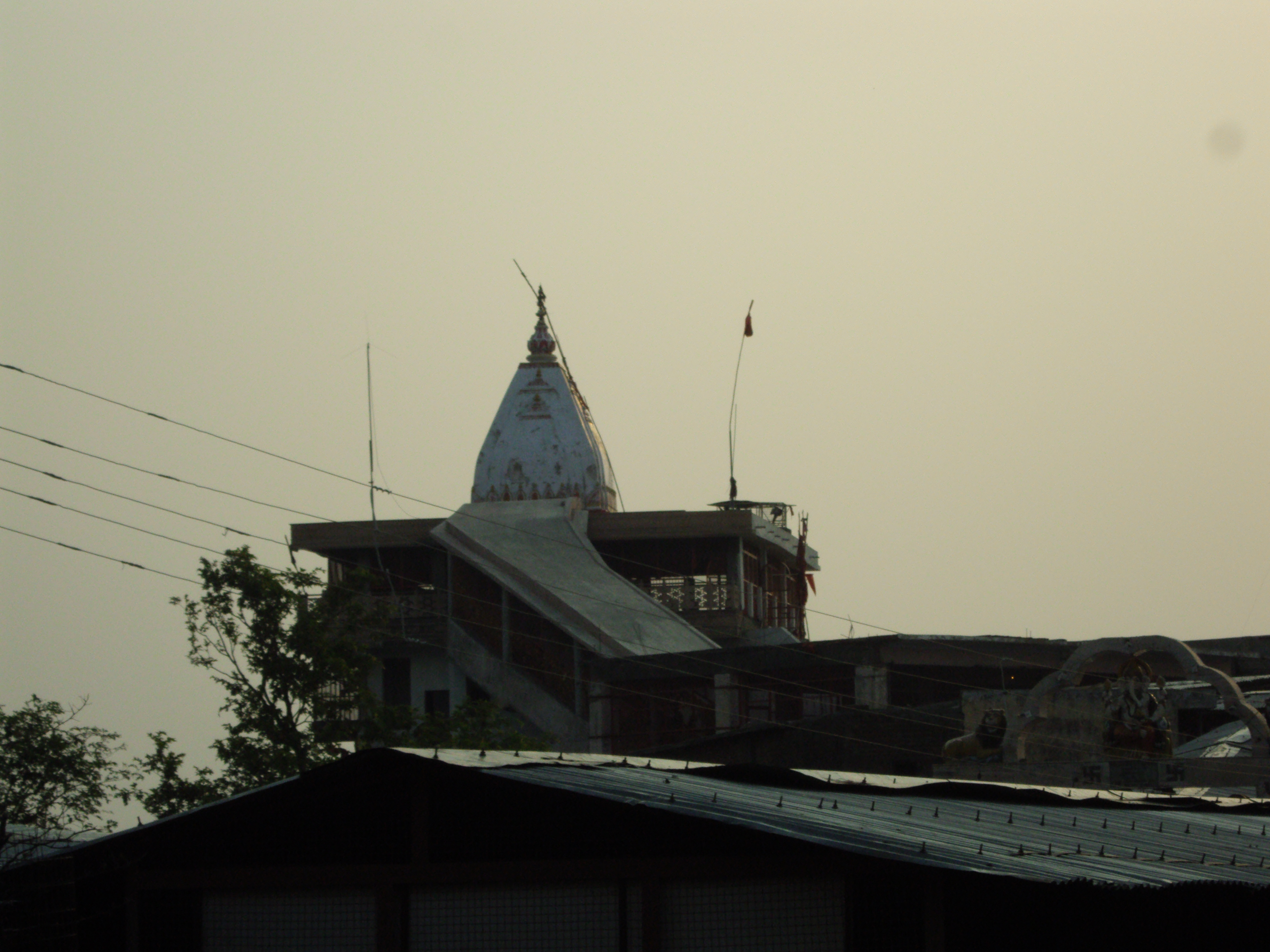
Local legend says Akbar tried to remove the idol and could not, and instead granted the temple its surrounding land.

One of the oldest places of Christian worship in Goa, a 17th-century Portuguese chapel.

A Maratha base camp in the 1680s, now known around the world as the Dil Chahta Hai Fort, for its sunsets.

Legend says a sultan prayed for a plague to end and vowed to build a mosque on the very spot where he prayed if it did.

It took ten years to build and still carries millions of commuters every day, beneath a Gothic dome crowned with a statue of Progress.

It began in 1922 as a museum named for a visiting prince, and grew into a home for over 50,000 artefacts, from Indus Valley antiquities to Mughal miniatures.

The only monument in Agra faced entirely in Persian-style glazed tile, the tomb of the scholar Afzal Khan Shirazi.

Seven gates, palaces, temples and memorials, and the legendary stories of Rajput valour of Rani Padmini and Rani Karmavati.

For nearly two centuries the seat of the Nizams, with four courtyards built around the Khilwat Mubarak durbar hall.

North India's second-oldest church has stained glass for Faith, Hope, Charity, Fortitude, Patience and Humility, and a clock paid for by a lottery.

Built on the site of Goa's first Franciscan chapel, it keeps a Portuguese-Manueline portal found nowhere else in India.

St Francis Xavier's body lies in the Basilica of Bom Jesus, and is shown to the public once every ten years.

The ceremonial and administrative seat of the Jaipur maharajas, blending Rajput, Mughal and European styles.

Twenty-two generations of Sisodia Rajput rulers added to it over 400 years, until it became 11 palaces in one.
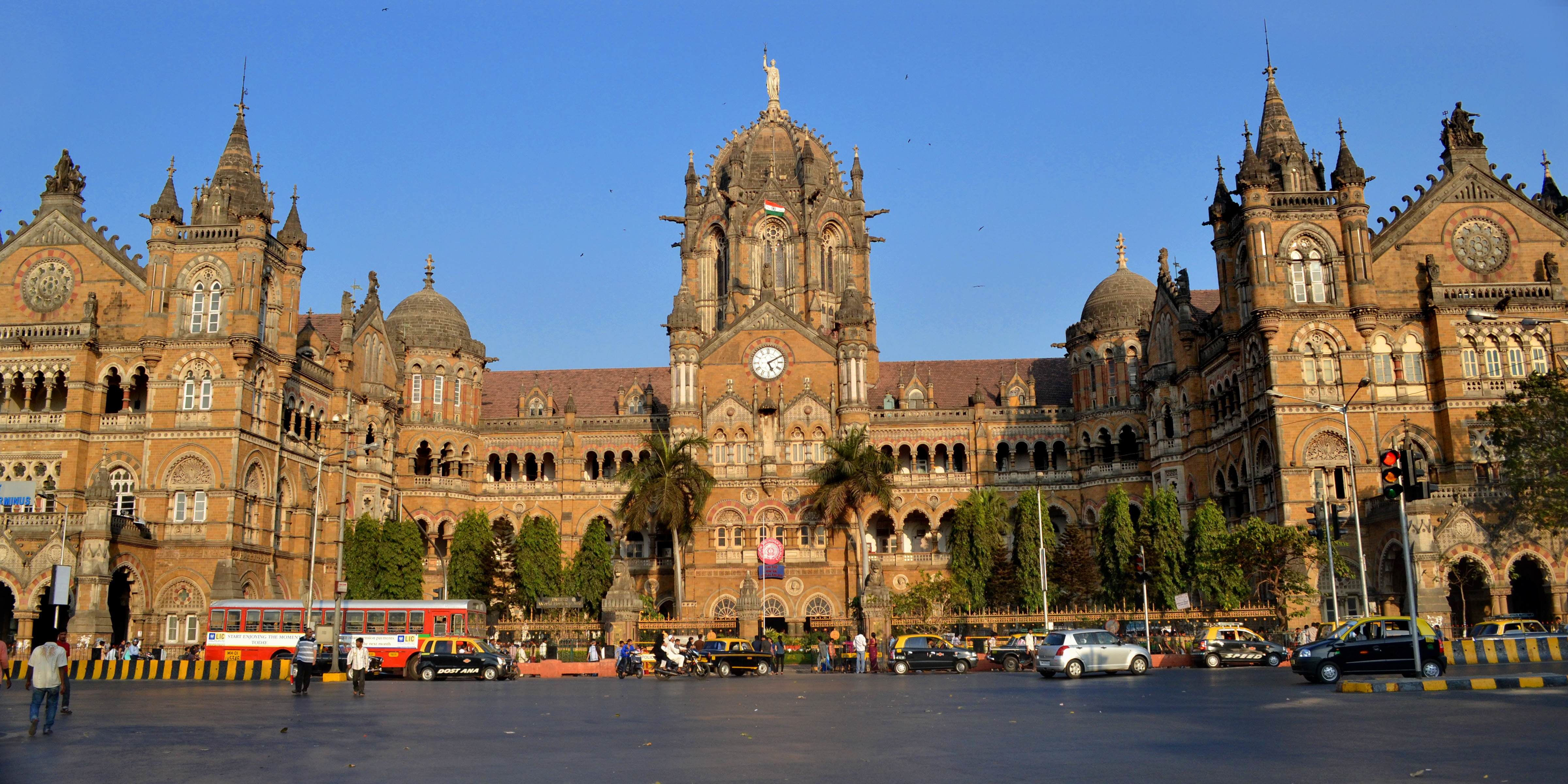
Inside one of the world's busiest stations, a small gallery keeps the story of India's railways, from vintage signals to the 1850s.
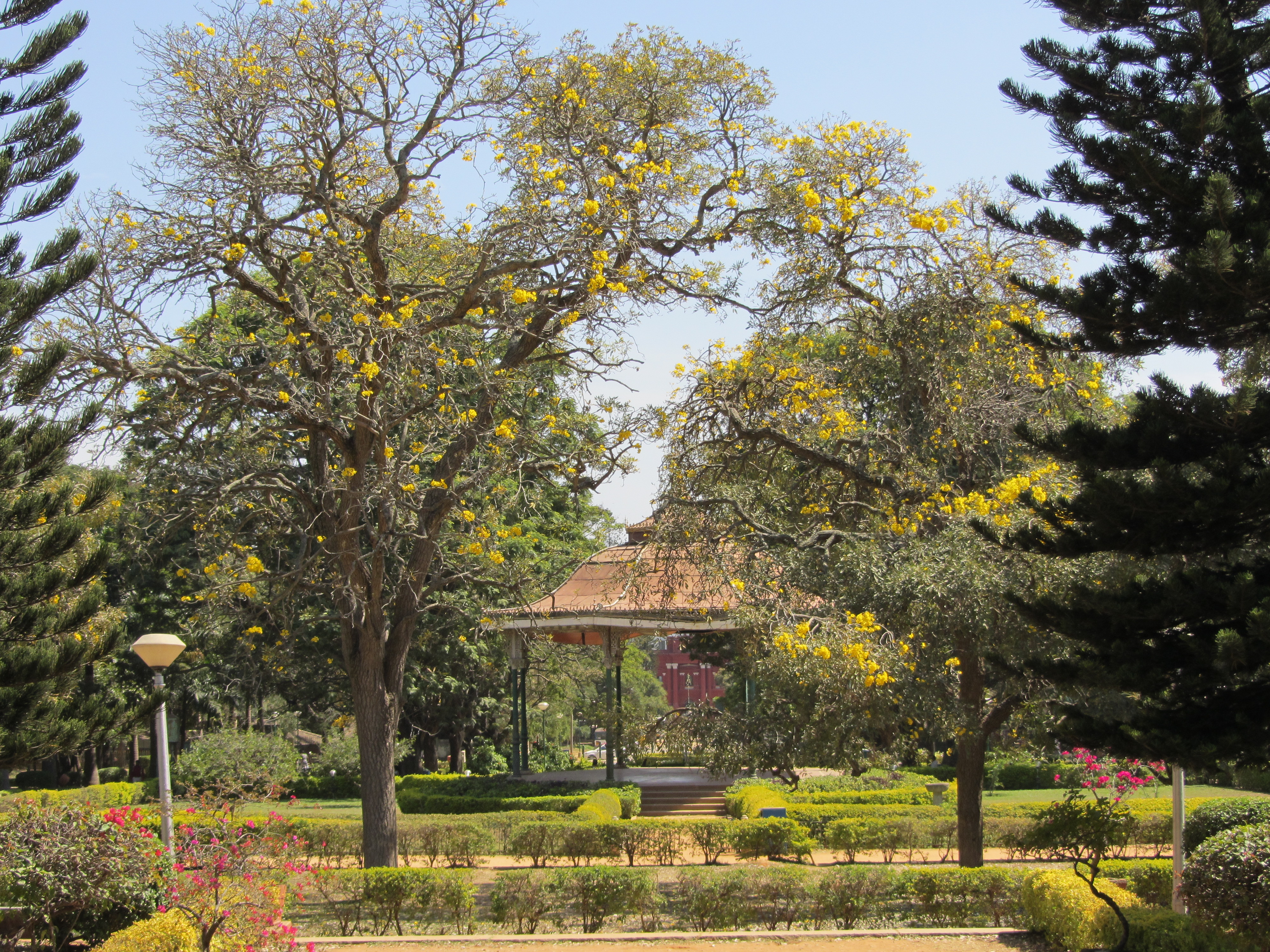
Laid out in 1870, Bengaluru's green lung is shaded by century-old rain trees.
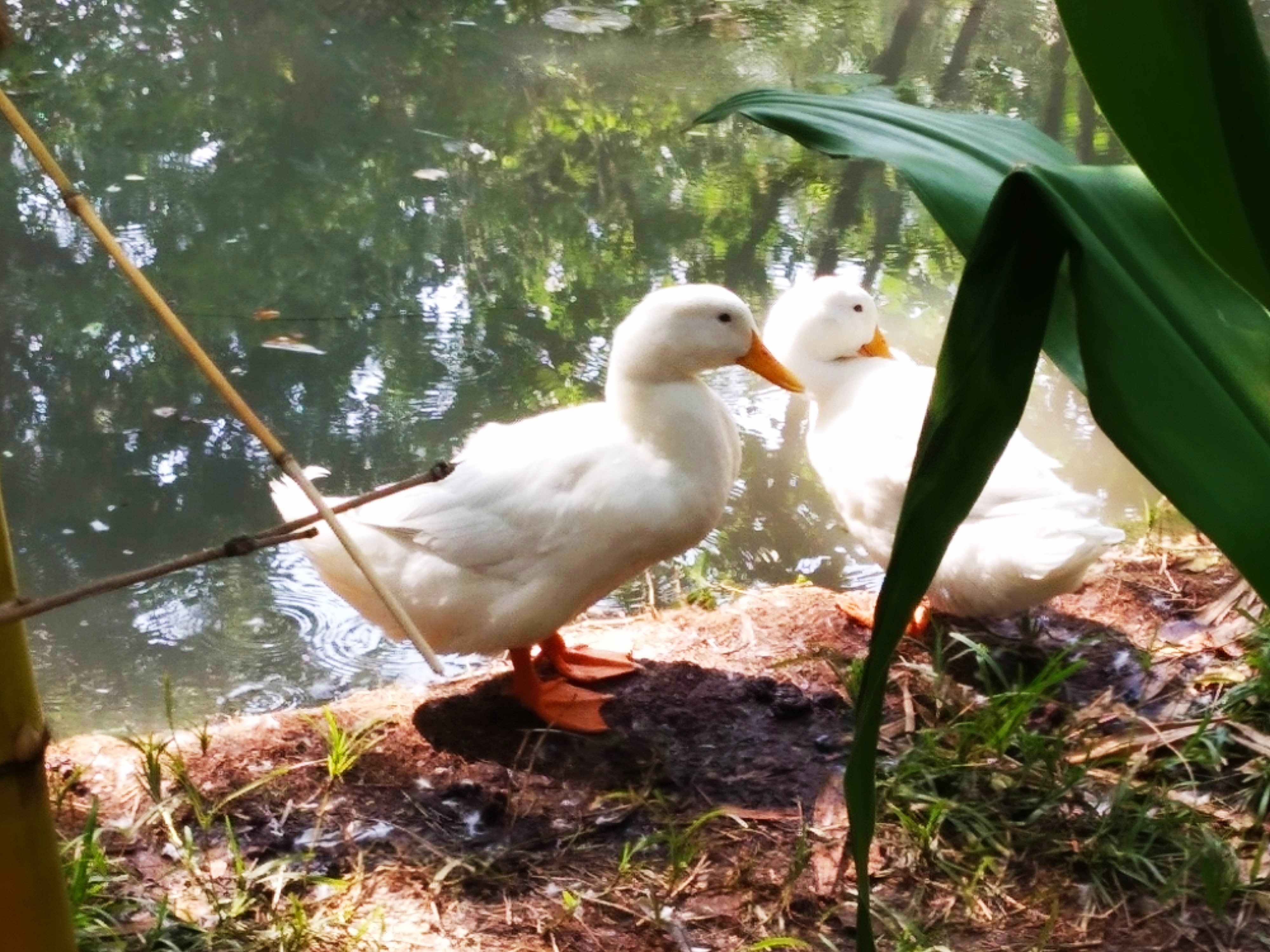
Real heritage houses, 100 to 200 years old, were carefully carried here brick by brick from their villages.

Rani Rashmoni spent eight years building this Kali temple, where the mystic Ramakrishna served as head priest.

Every night, seven priests perform the Ganga Aarti, each one representing a Sapta Rishi.

A merchant's gift to the city in 1847, still a working library after more than 175 years.

Four thousand years ago, engineers here cut stone reservoirs covering nearly a third of the city to catch the monsoon.

Marble carved so finely it looks like lace, in temples built between the 11th and 13th centuries.
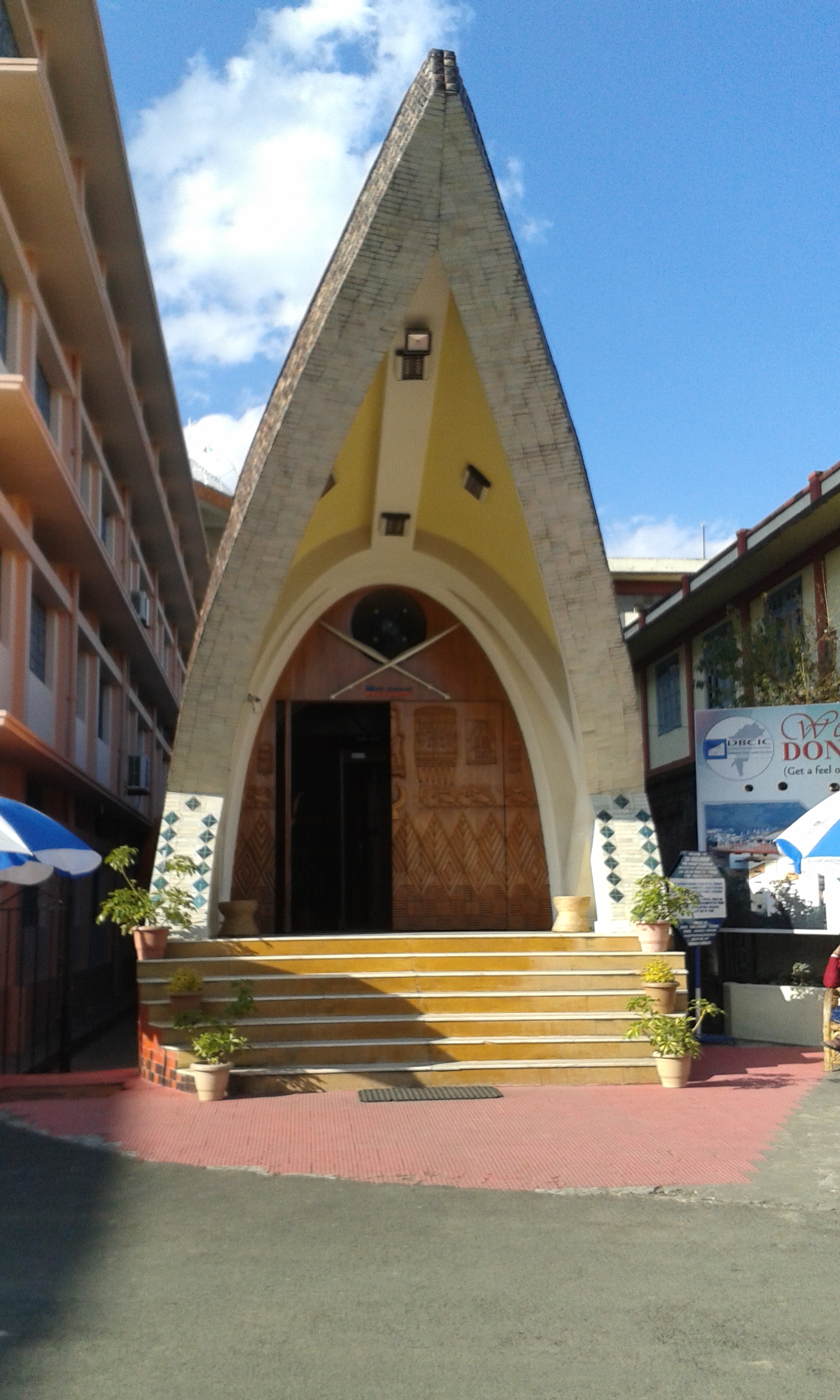
Sacred masks used in rituals for centuries are kept here, as those traditions fade with younger generations.

Mumbai's oldest museum, restored to its 1872 grandeur, now stands guard over a giant replica of the Elephanta Caves' Trimurti.
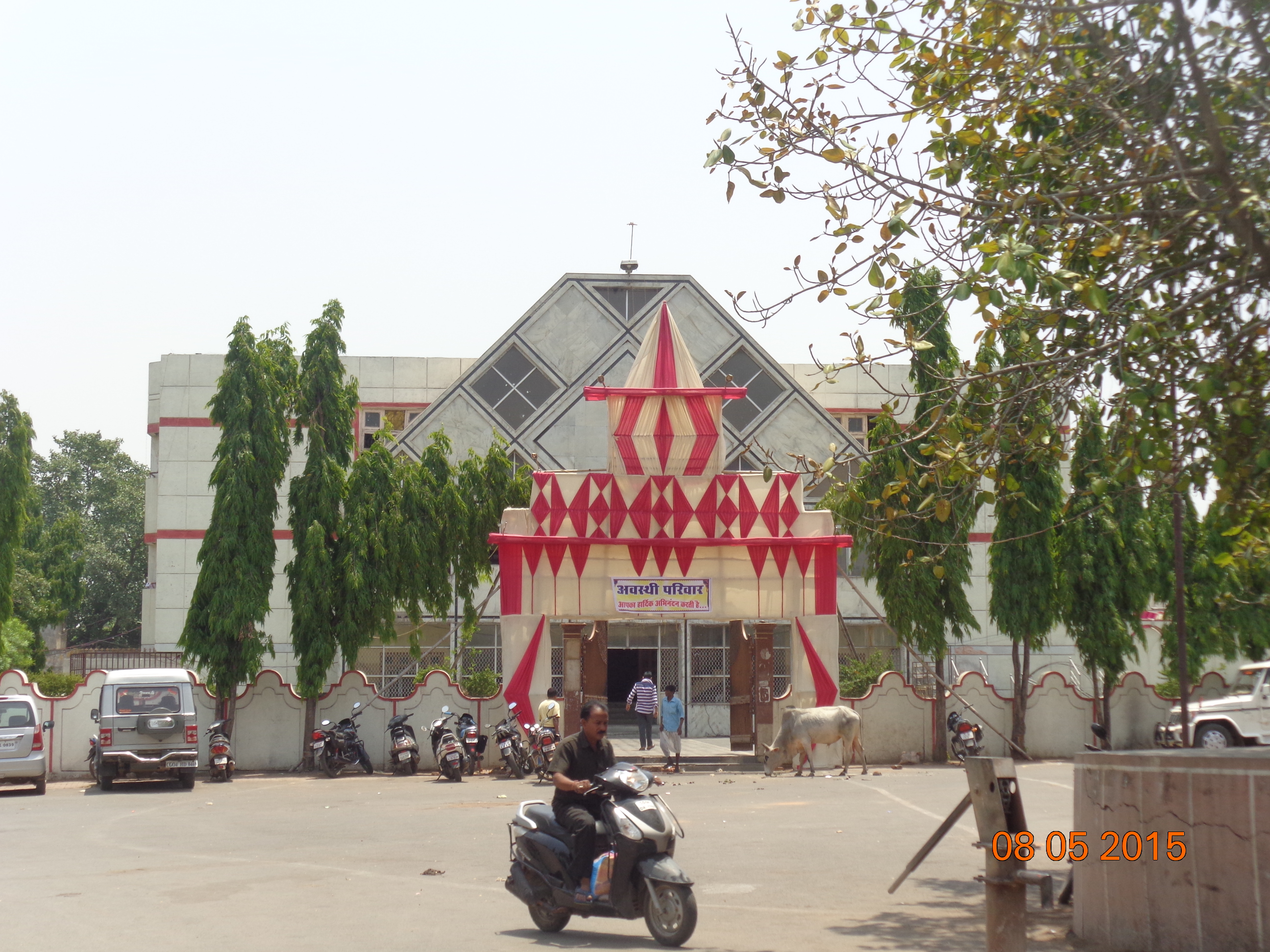
Its founder was popularly believed to live on milk alone, and the title Rajeshri, given to its head by a Maratha king, is still used today.
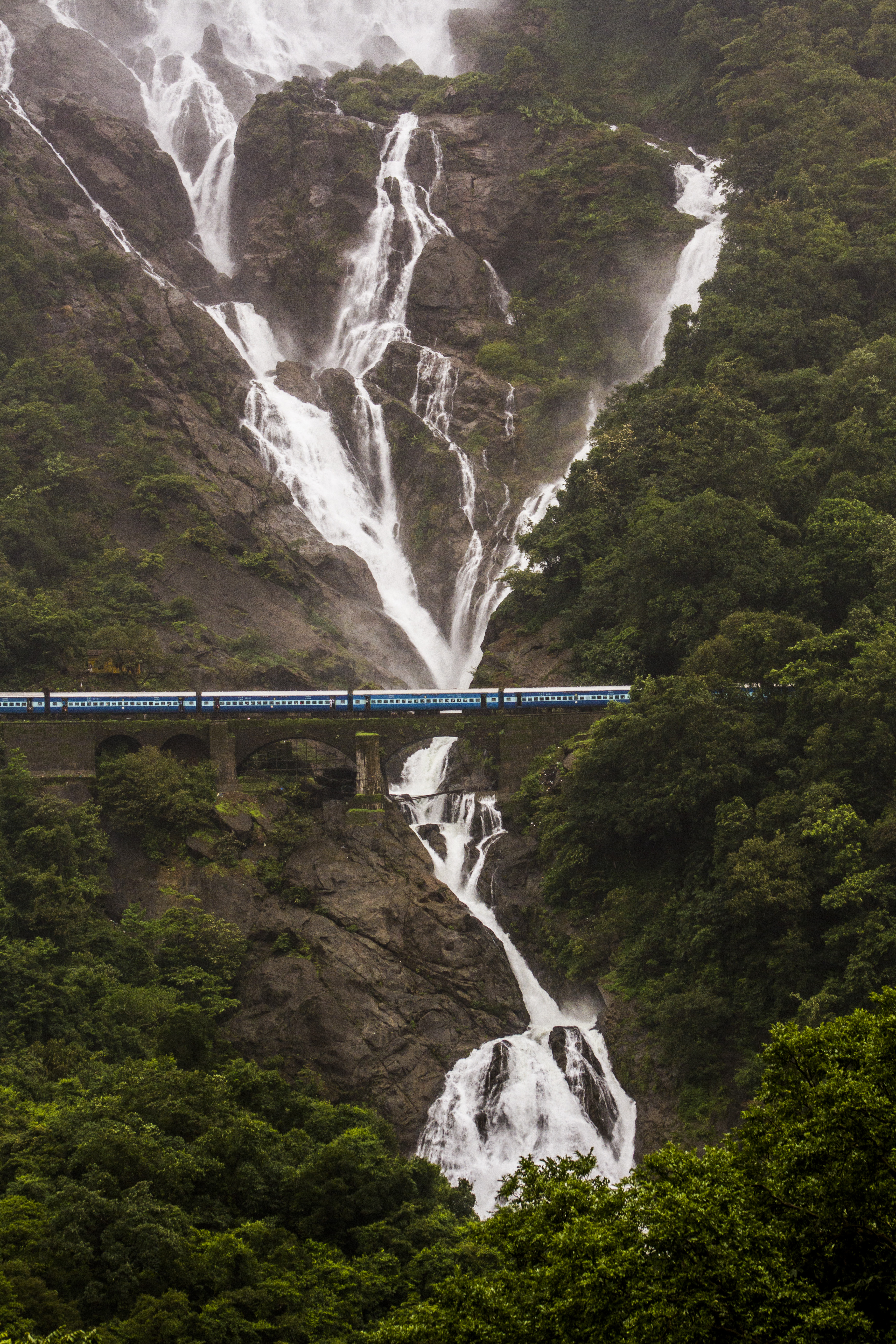
Its name means Sea of Milk, for the white foaming water of a 320-metre waterfall that falls in four tiers.
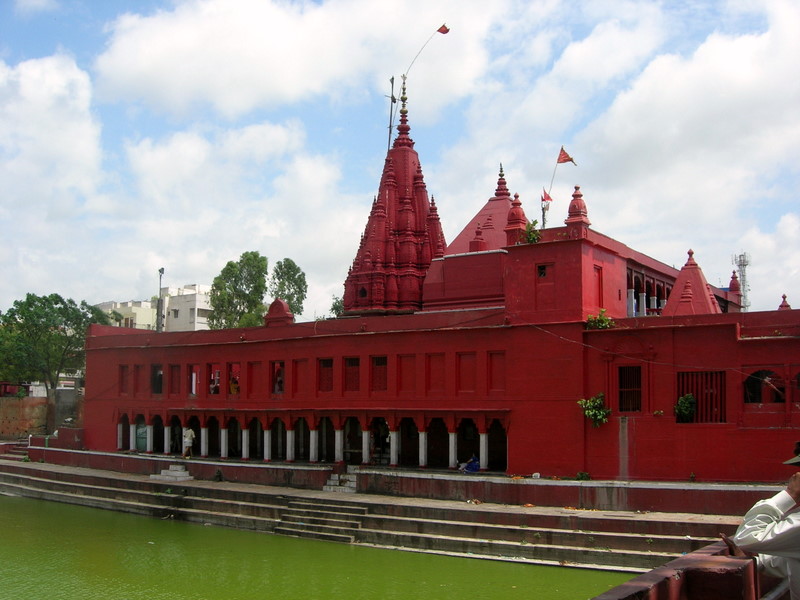
Its Durga idol is believed to have appeared on its own, and its resident macaques have earned it the name Monkey Temple.
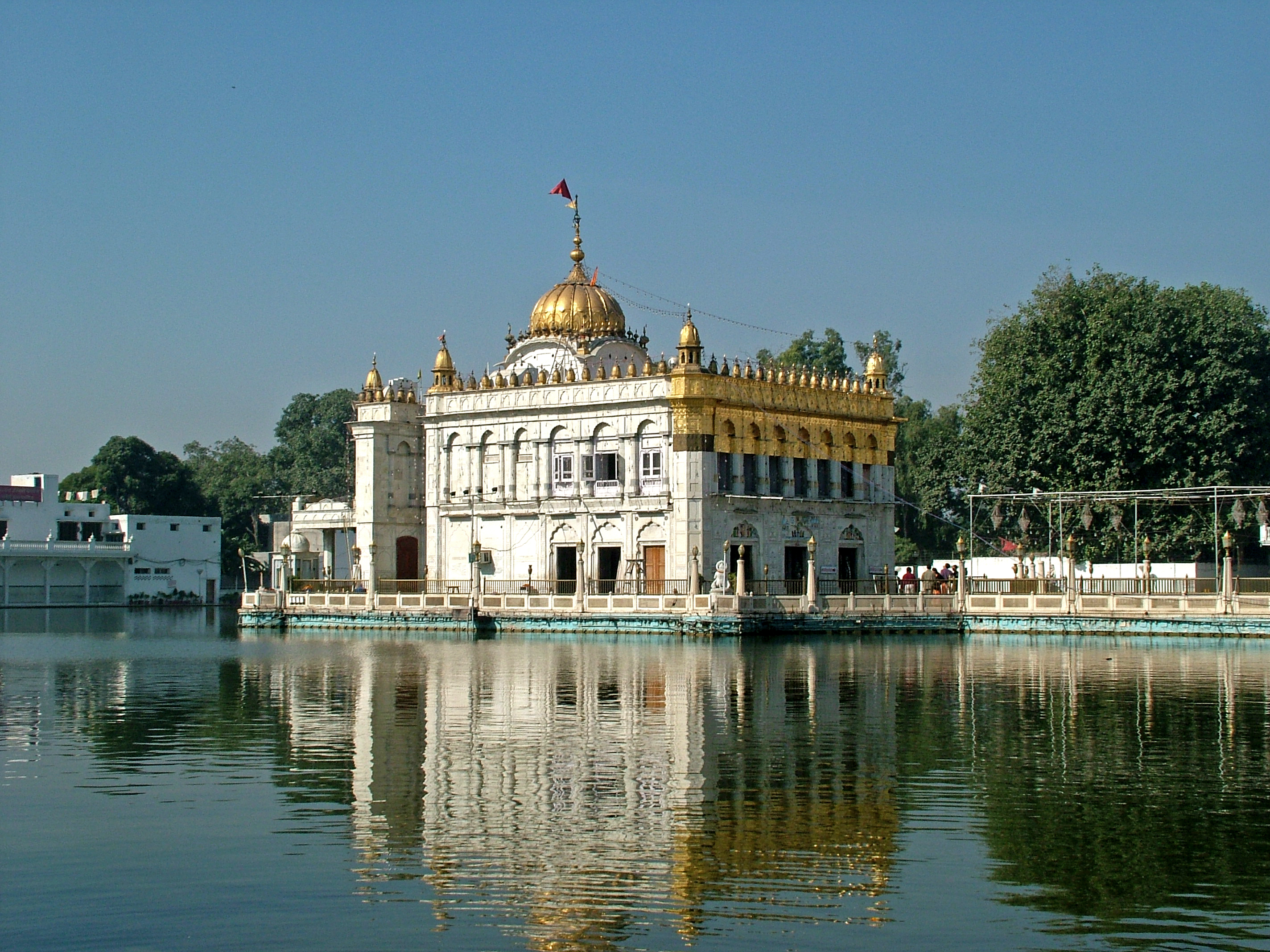
Built in the middle of a sacred lake, and so like the Golden Temple that first-time visitors sometimes mistake one for the other in photos.
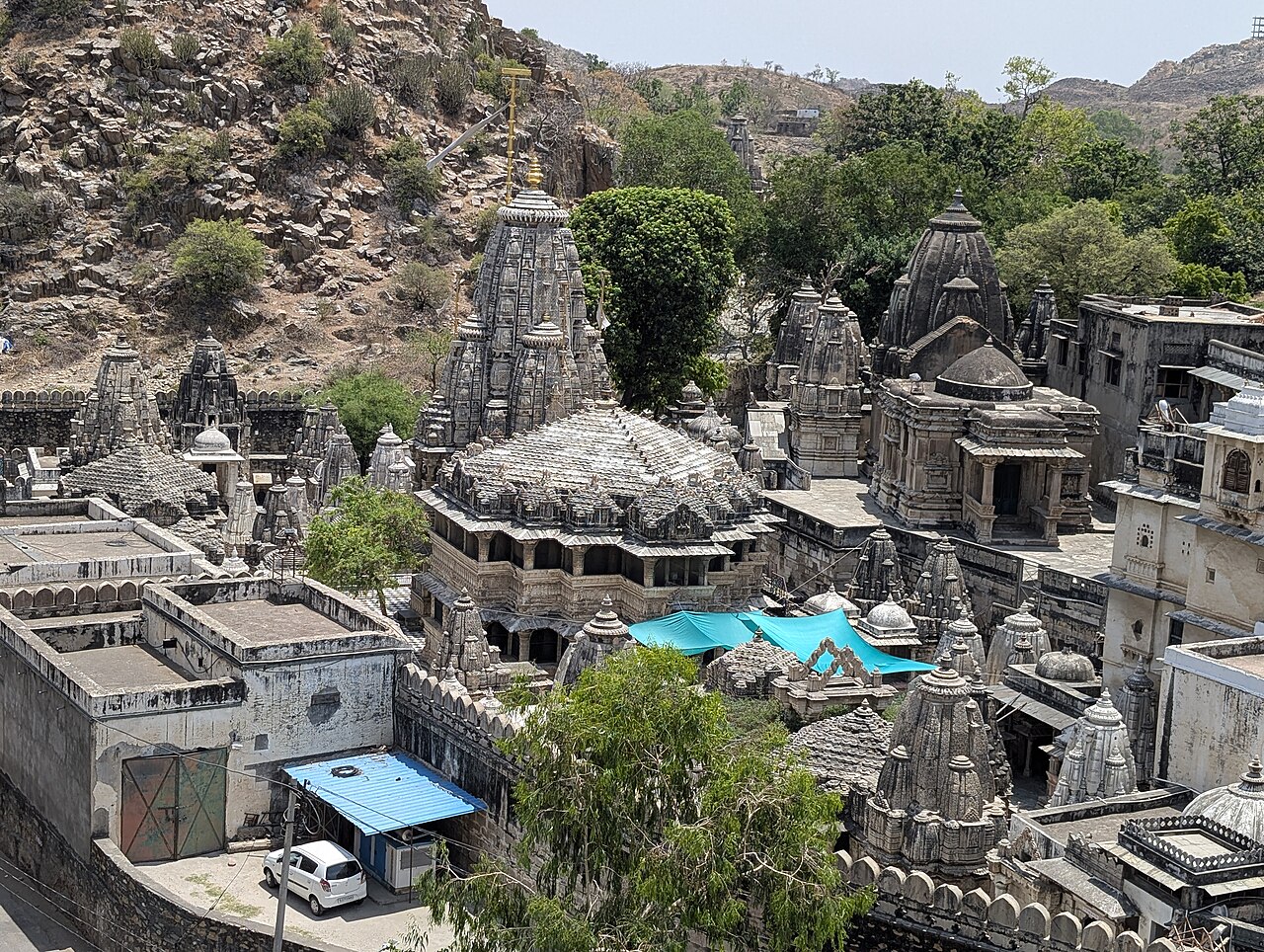
The spiritual heart of the Mewar dynasty, where Maharanas historically styled themselves regents to the ruling deity, Eklingji.

Portuguese colonists found a stone elephant on the shore and named the island for it. Inside, a towering Shiva carved centuries earlier still watches.
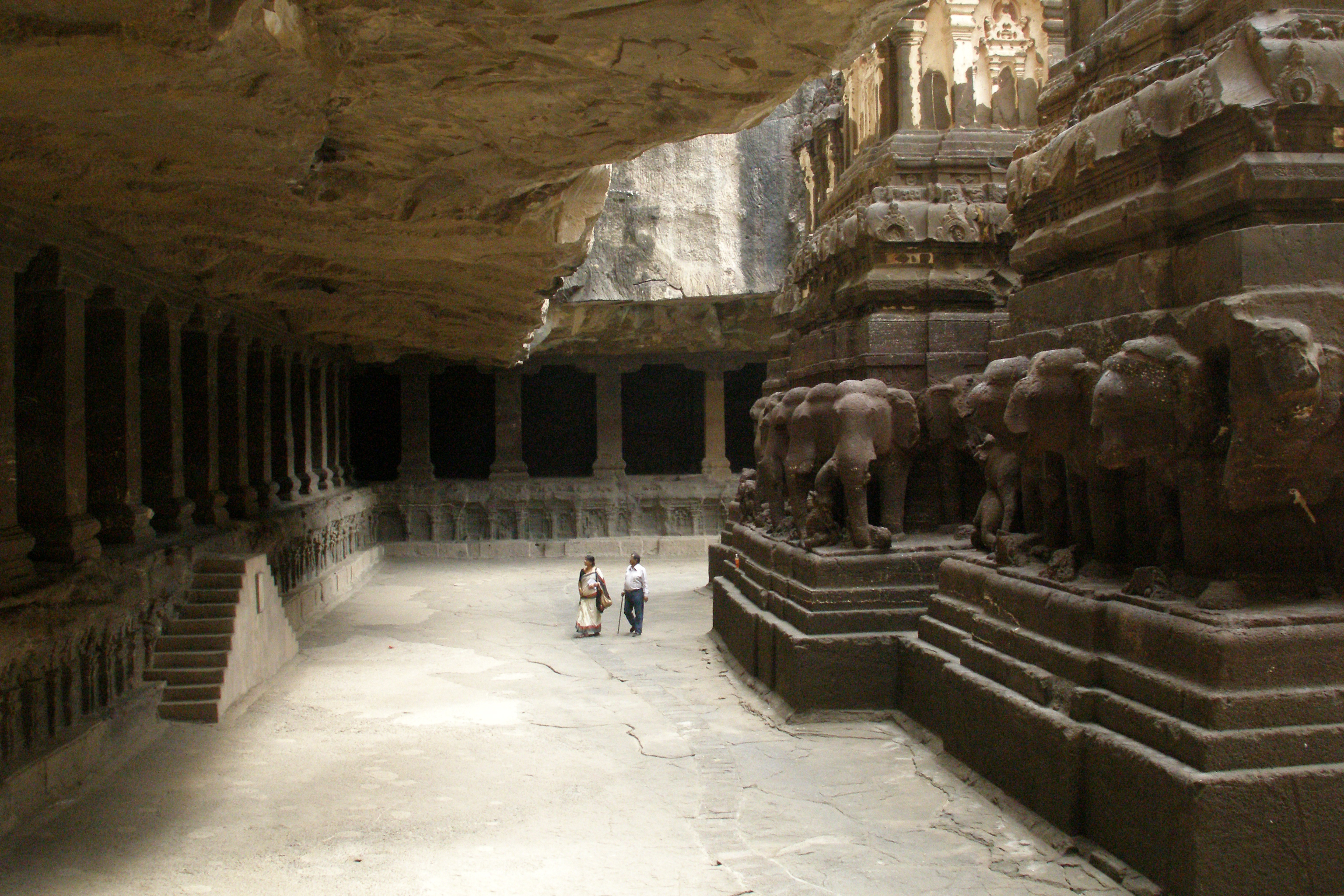
The Kailasa Temple was not built up but carved down, out of a single basalt cliff, while Buddhist, Hindu and Jain caves share the same rock face.

Monks here keep their ritual practices, including sand-mandala ceremonies, unchanged for over two centuries.
Kerala's first national park protects the endangered Nilgiri tahr, found nowhere else in the world.

Shaped like a scorpion, gifted to the 6th Nizam, and host to King George V and Tsar Nicholas II.
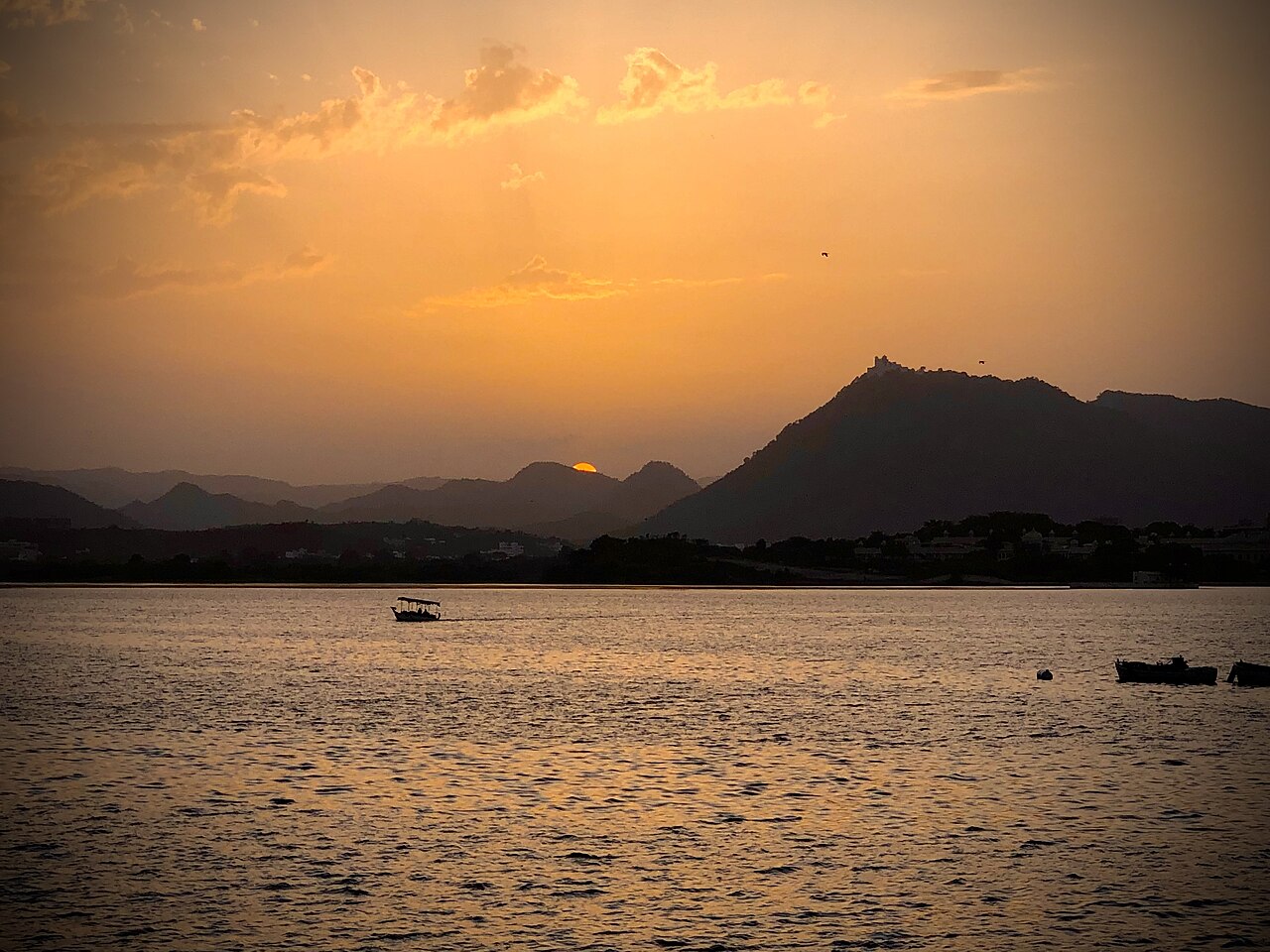
Rebuilt by Maharana Fateh Singh after flood damage, now a lake for boating and evening promenades.

Akbar built an entire city to celebrate the birth of his son, then abandoned it about 15 years later, reportedly for want of water.

Feroz Shah Tughlaq had an Ashokan pillar moved here, and it still stands among the ruins of his fortress.

Built in 1864 to honour a governor, it has become an unofficial meeting point in the heart of the Fort district.

Colourful tile-roofed townhouses make Panaji's Latin Quarter feel like a piece of Portugal in India.

Its museum keeps rare wood from extinct and endangered trees, a wooden record of India's lost forests.

A four-story lighthouse, one of the oldest in Asia, rises from this 17th-century Portuguese fort at the mouth of the Mandovi.

The walls of British Bombay were pulled down in the 1860s, yet the district still carries the name Fort.
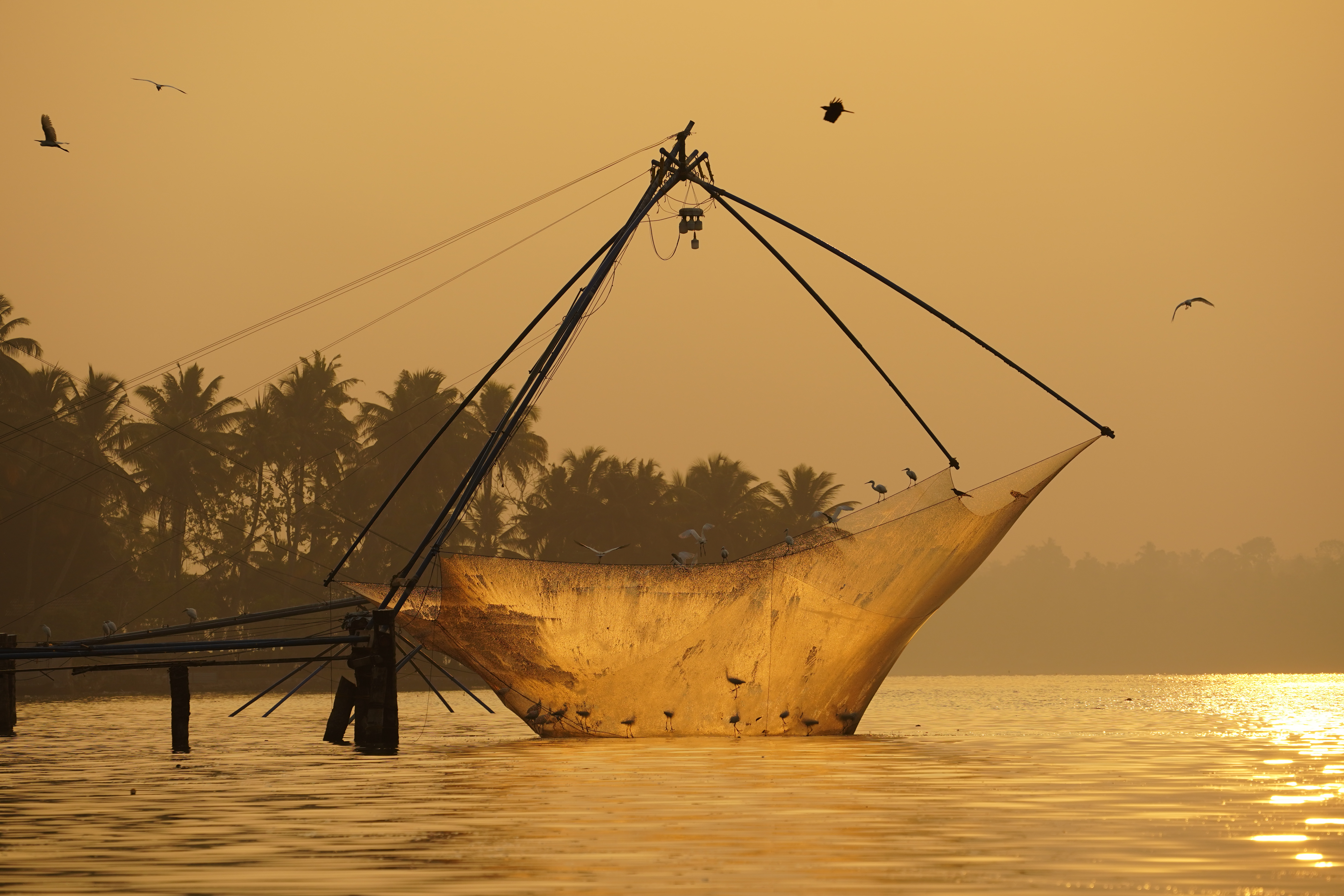
Chinese fishing nets 14 metres tall are still worked daily by local fishermen, a link to trade between Kochi and China 500 years ago.

The first fortress the British built in India, in 1644, is still a working seat of government, home to the Tamil Nadu Legislative Assembly.

Where a jail once held freedom fighters, a park now stands, keeping a section of the old wall and a watchtower.
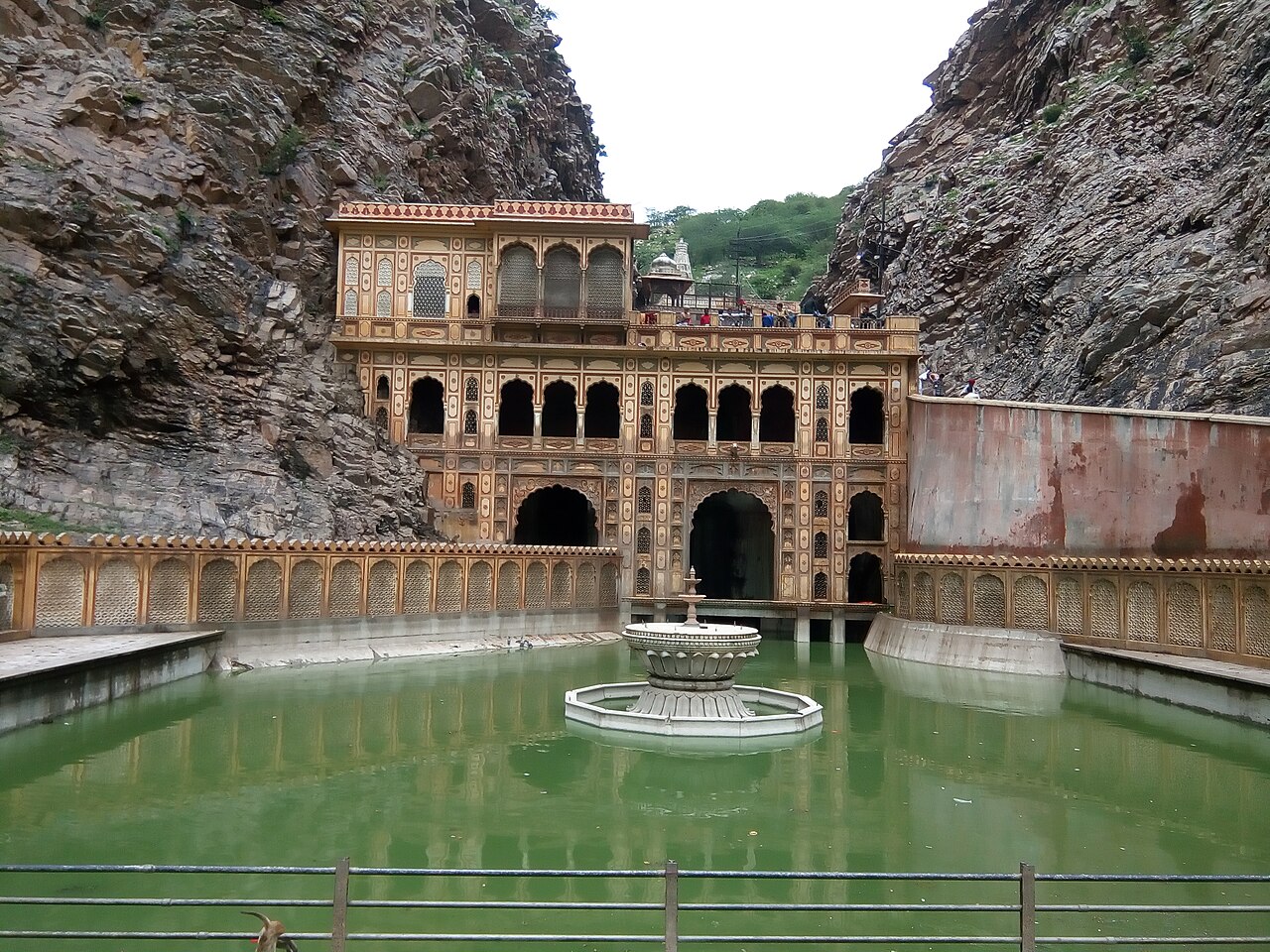
Hundreds of rhesus macaques live around a spring linked to the sage Galav, which is why it is known as the Monkey Temple.

Gandhi lived here for his last 144 days, from 9 September 1947. On 30 January 1948 he was assassinated on these grounds, and a line of footsteps cast in concrete traces his last walk to the prayer meeting.

Built to welcome a king, it became the gate through which the last British troops left India in 1948.
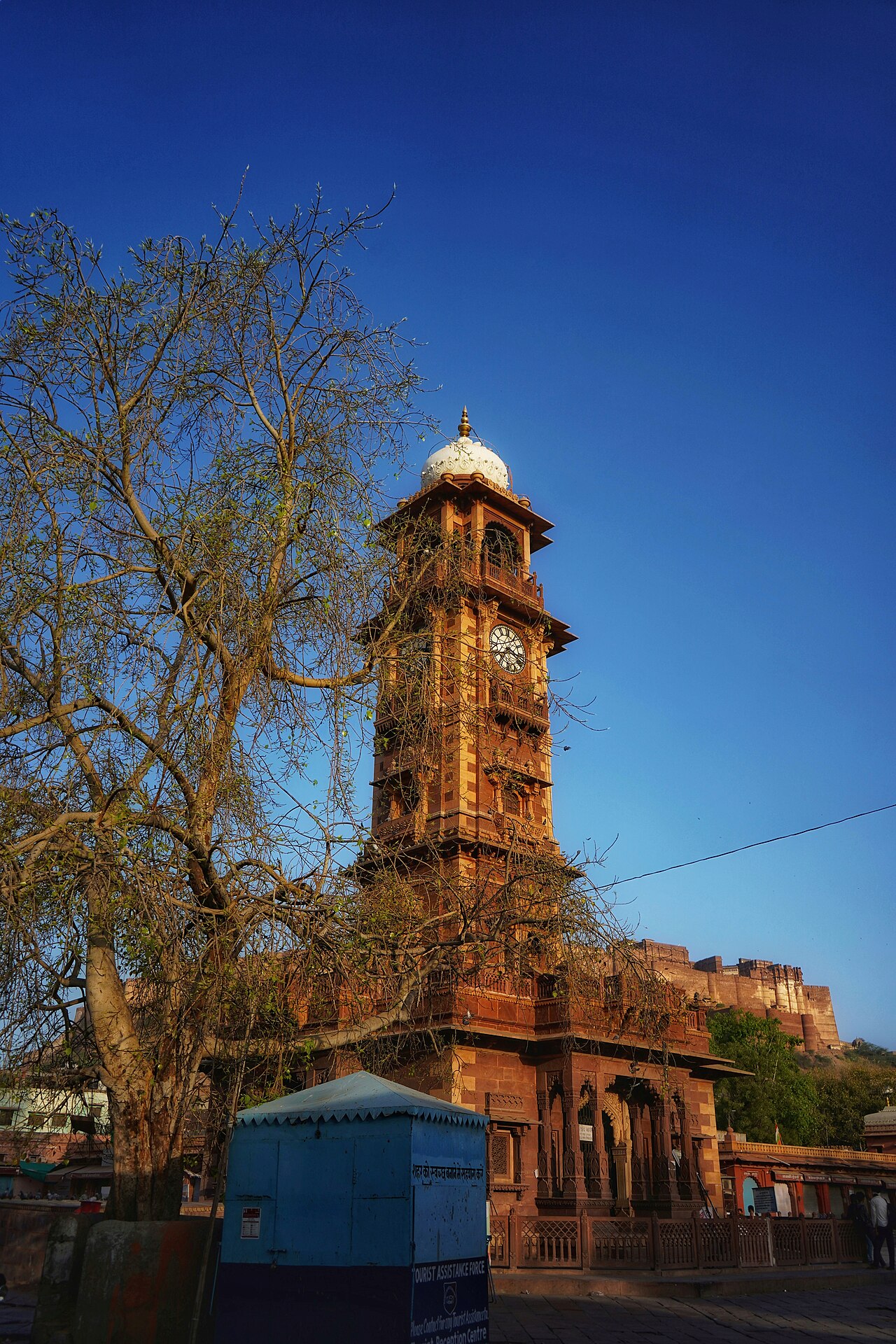
Jodhpur's oldest and busiest bazaar hums beneath a clock from the same maker as Big Ben.
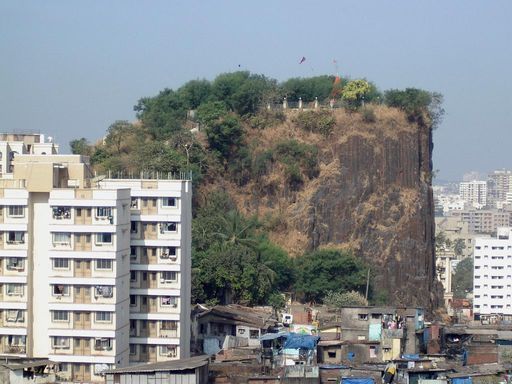
A 200-foot column of black basalt in Andheri, formed some 65 million years ago, its hexagonal columns echoing Ireland's Giant's Causeway.
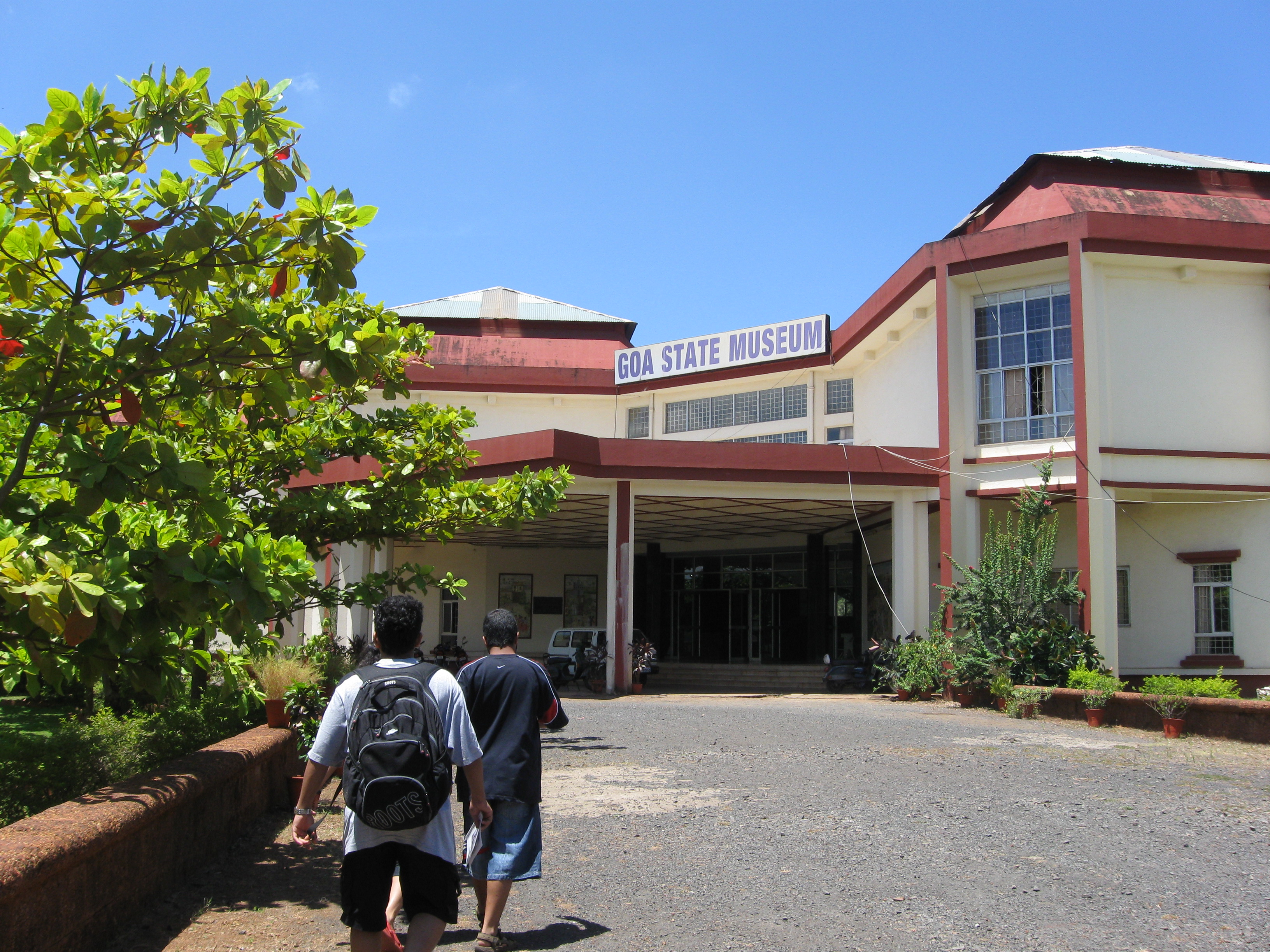
Goa's state museum is housed in the Adil Shah Palace, the former seat of the Portuguese colonial administration.
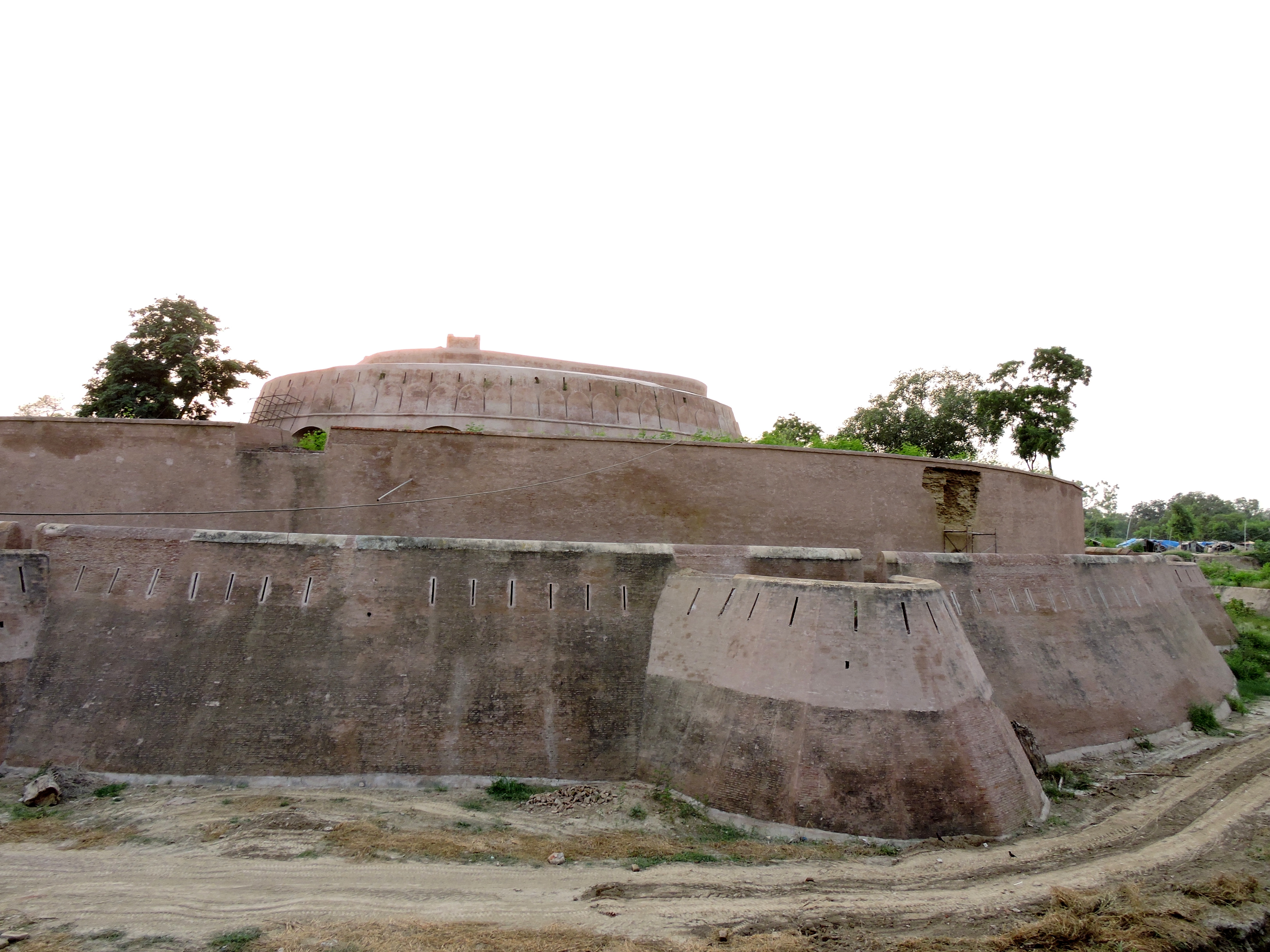
Under continuous military control for over 150 years, it opened to civilians only in 2017.
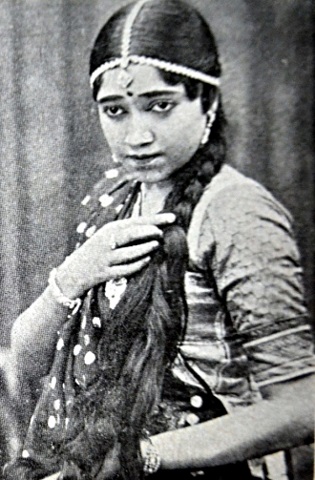
When her husband died in 1819, Qudsia Begum took the throne of Bhopal and began a century of women rulers. This lakeside palace is what she built.

A single hand clap at the entrance gate can be heard at the highest pavilion nearly a kilometre away, a warning built into the walls.
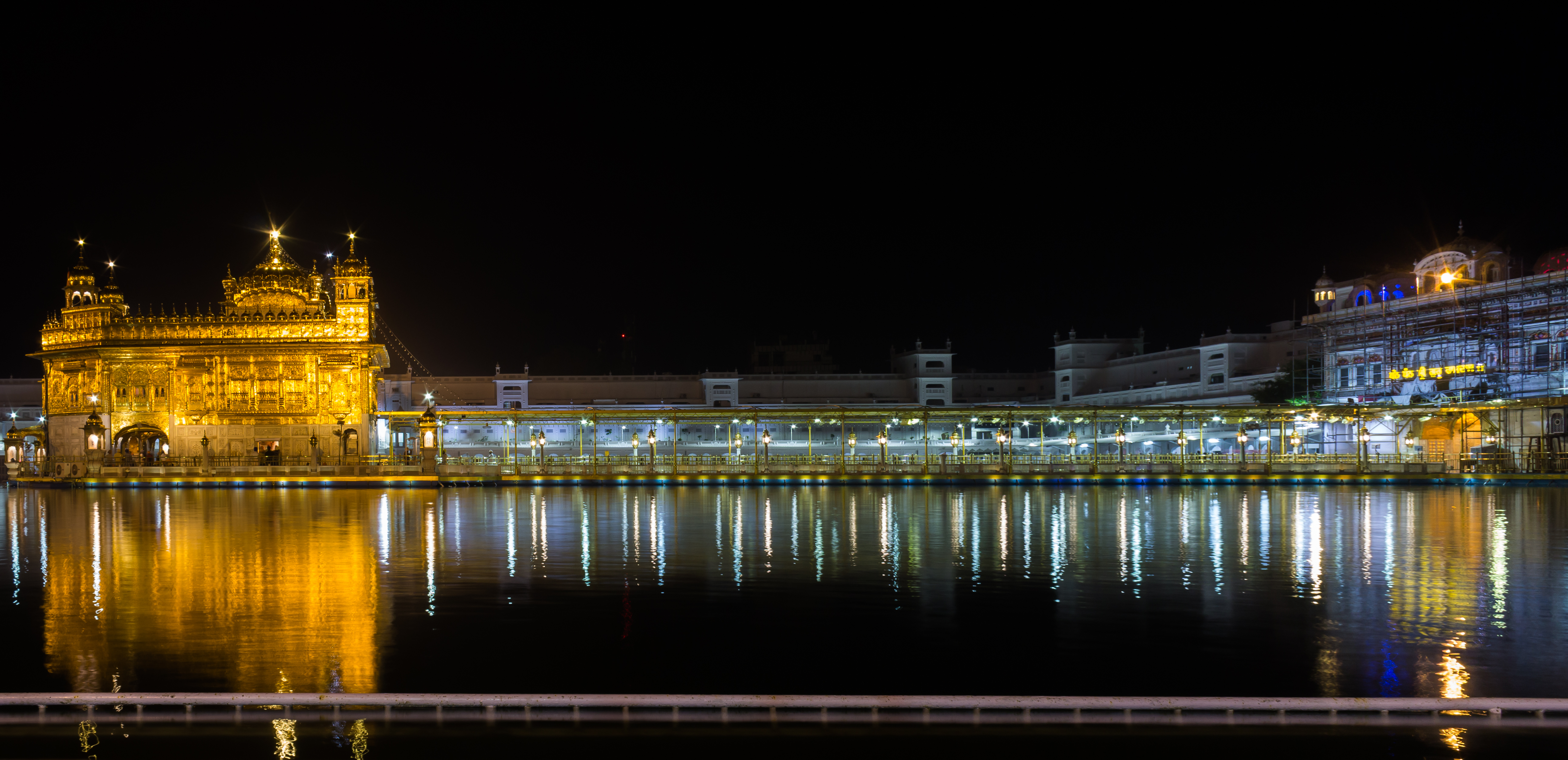
Four entrances face all four directions, to say that people of every faith and background are welcome.

Built in 1786 to store grain against famine after the great Bengal famine of 1770, it was never actually filled for that purpose.
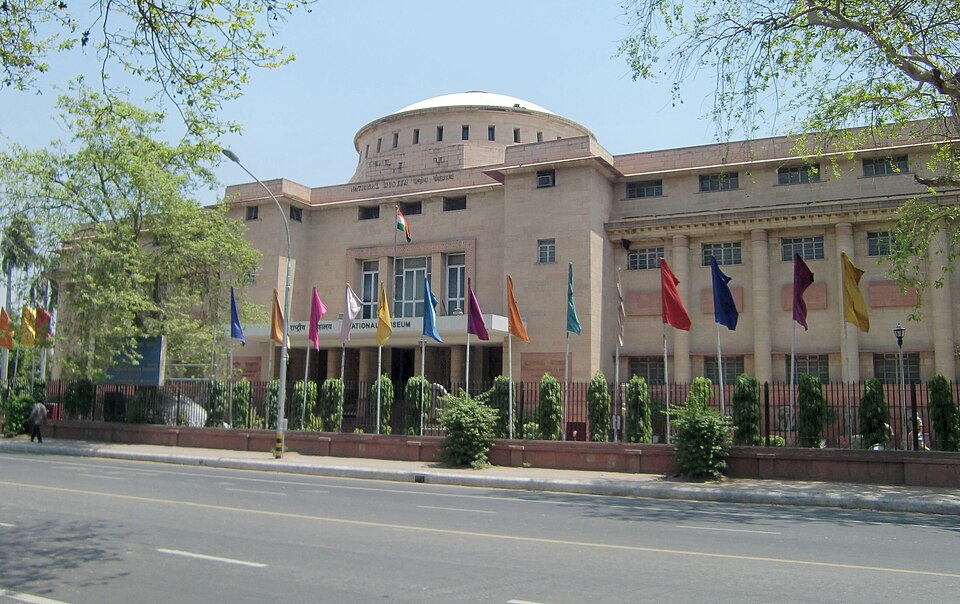
Chola bronzes, some over a thousand years old, fill a round gallery, among the finest collections of their kind anywhere.

Founded in the 1860s, one of India's oldest museums keeps Indus Valley artefacts, Hoysala sculpture and even Egyptian mummies.

An 80-foot Buddha in sandstone and red granite, consecrated by the Dalai Lama in 1989.

In all three of these temples, daily rituals have continued largely unbroken for nearly a thousand years.

Capital of the Vijayanagara Empire until its destruction in 1565, Hampi lies scattered among boulders, and the Virupaksha Temple is still in worship.
A simple cottage built by Guru Ram Das grew into the working gurdwara that stands today.

The causeway to this shrine vanishes underwater at high tide, so pilgrims plan their visit around the sea.

A decommissioned MiG-21 and an HF-24 Marut tell the story of the aircraft India built for itself.

Generations of master sculptors worked on it for over a century, wrapping its walls in epics and thousands of figures, and it was never fully completed.
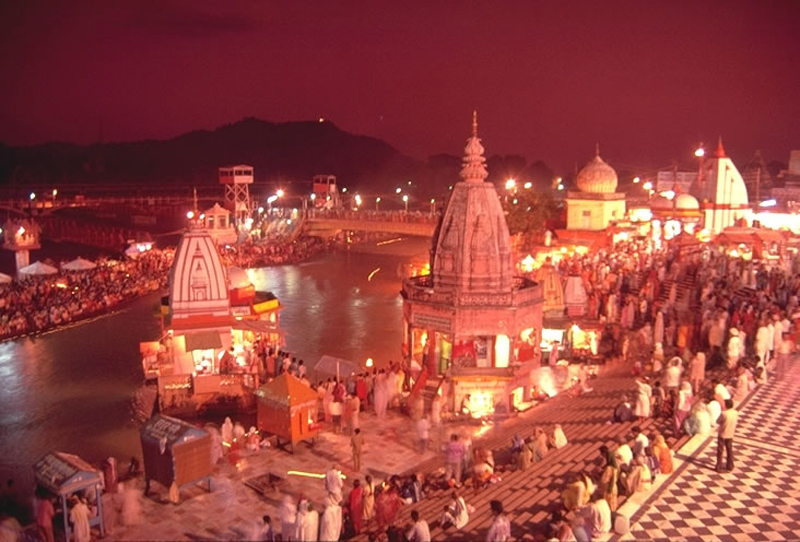
By belief, drops of the nectar of immortality fell here, at Brahmakund, and the Ganga Aarti is performed on this ghat every night.

A 13th-century royal reservoir, later a madrasa and tomb complex, now sits beside one of Delhi's trendiest villages.

953 carved windows were built so royal women could watch the street without being seen.

Its sloping walls earned it the name Swinging Palace, and it is known for its acoustics.
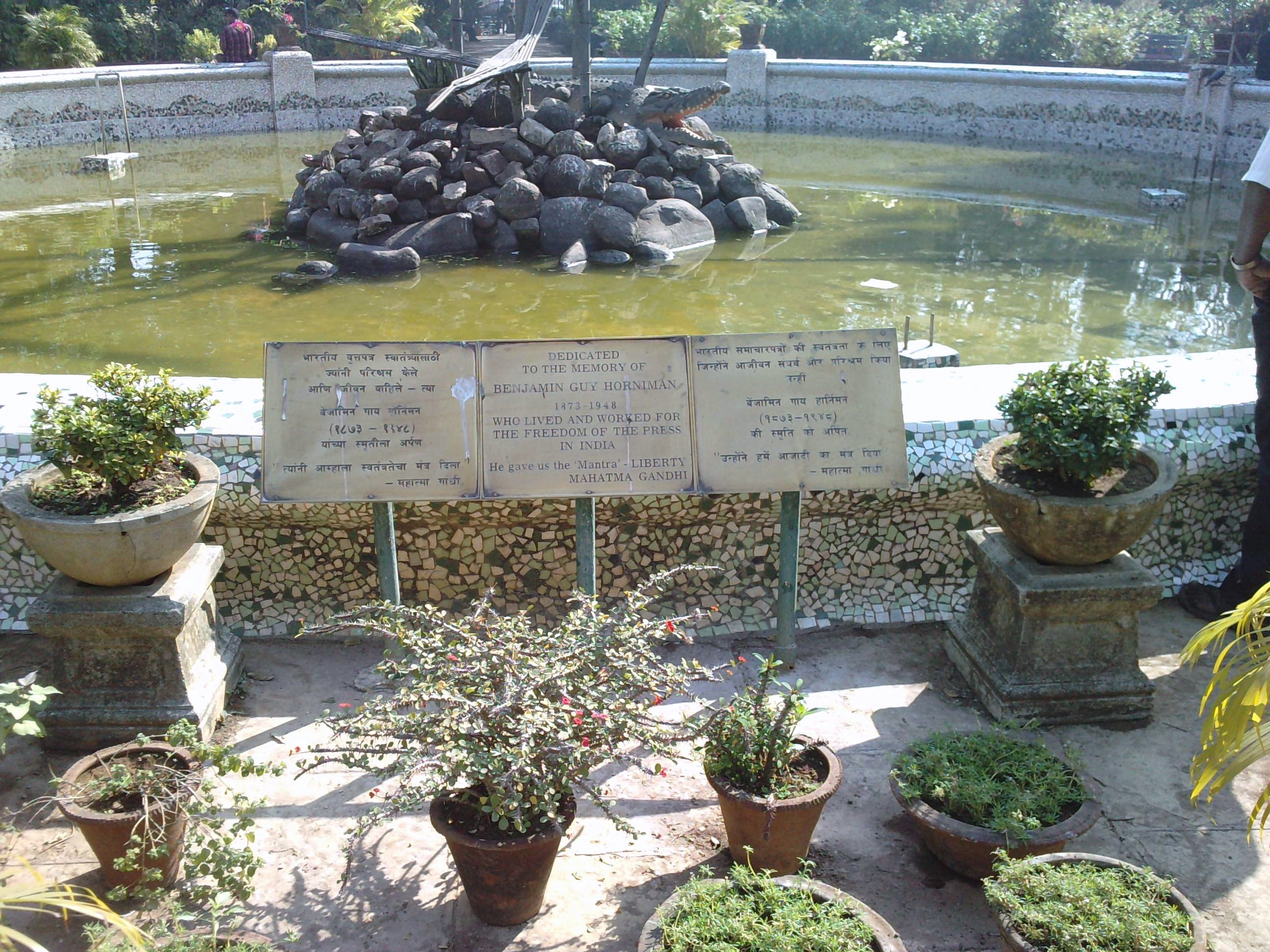
Bombay's first planned public square, laid out on the old Bombay Green, now a quiet garden ringed by Victorian Gothic buildings.

The first marble mausoleum in India, built for Mandu's founding sultan 200 years before the Taj Mahal.

Not one nut or bolt holds its main span together. Every joint is riveted, and it is among the world's busiest cantilever bridges.
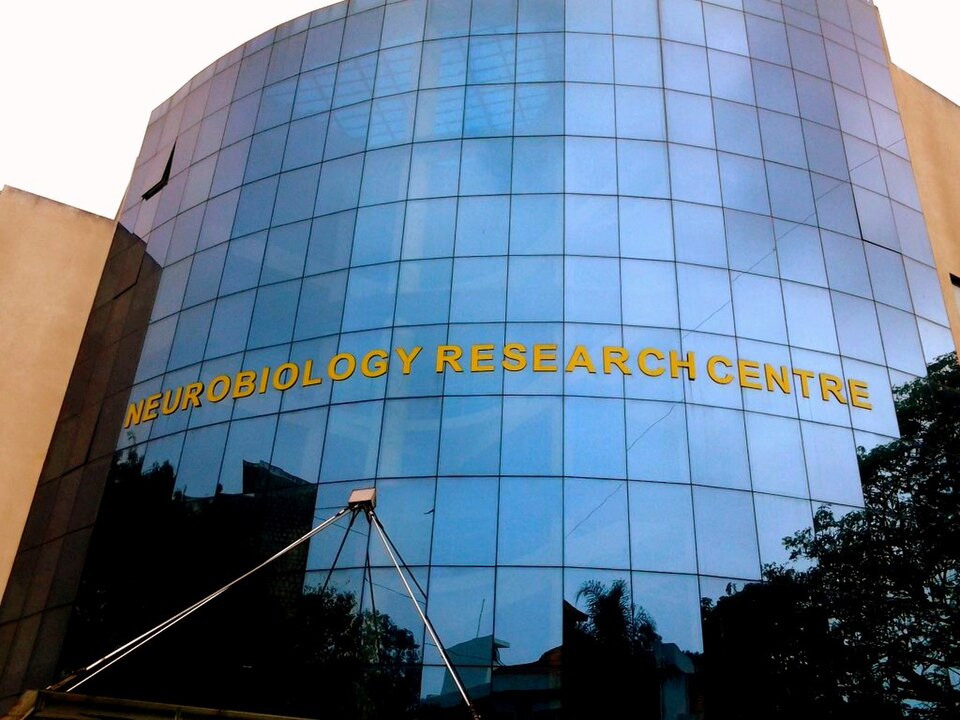
Several hundred preserved human brains, among the largest such collections in Asia, help show what neurological and psychiatric conditions do.

It was a widow's gift. Empress Bega Begum built it in 1565 for the husband she lost, the first garden-tomb in India and the blueprint for the Taj Mahal.

A 58-foot Buddha of granite, the world's tallest of its kind, stands in the middle of a 16th-century lake.

Over 84,000 Indian soldiers who died in World War I and the Third Anglo-Afghan War are remembered here, their names inscribed directly onto its walls.

Founded in 1814, India's oldest and largest museum keeps an Egyptian mummy among its treasures.
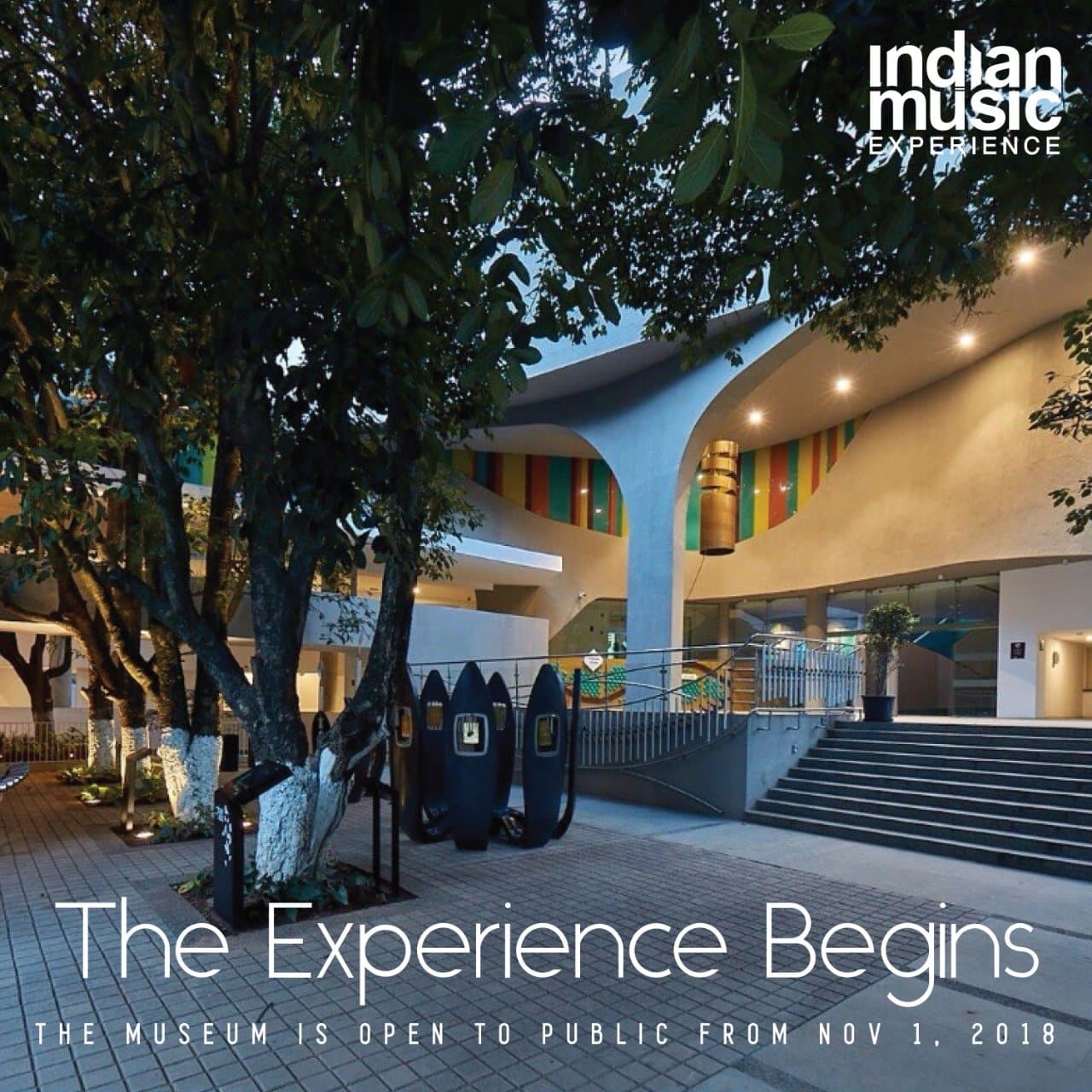
India's first interactive music museum, where you can play virtual instruments and follow music from ancient temple songs to Bollywood.

Her home while Prime Minister, and the place she was assassinated in 1984. A crystal walkway marks the spot where she fell.

A capital named for its own ruin: Itanagar takes its name from Ita, meaning brick, after this Chutia-era fort.

Empress Nur Jahan built it for her father, the first Mughal structure in white marble, and the model for the Taj Mahal.

Legend says a young Prince Khurram, later Shah Jahan, took refuge on this island palace, and its gardens are said to have influenced the Taj Mahal.
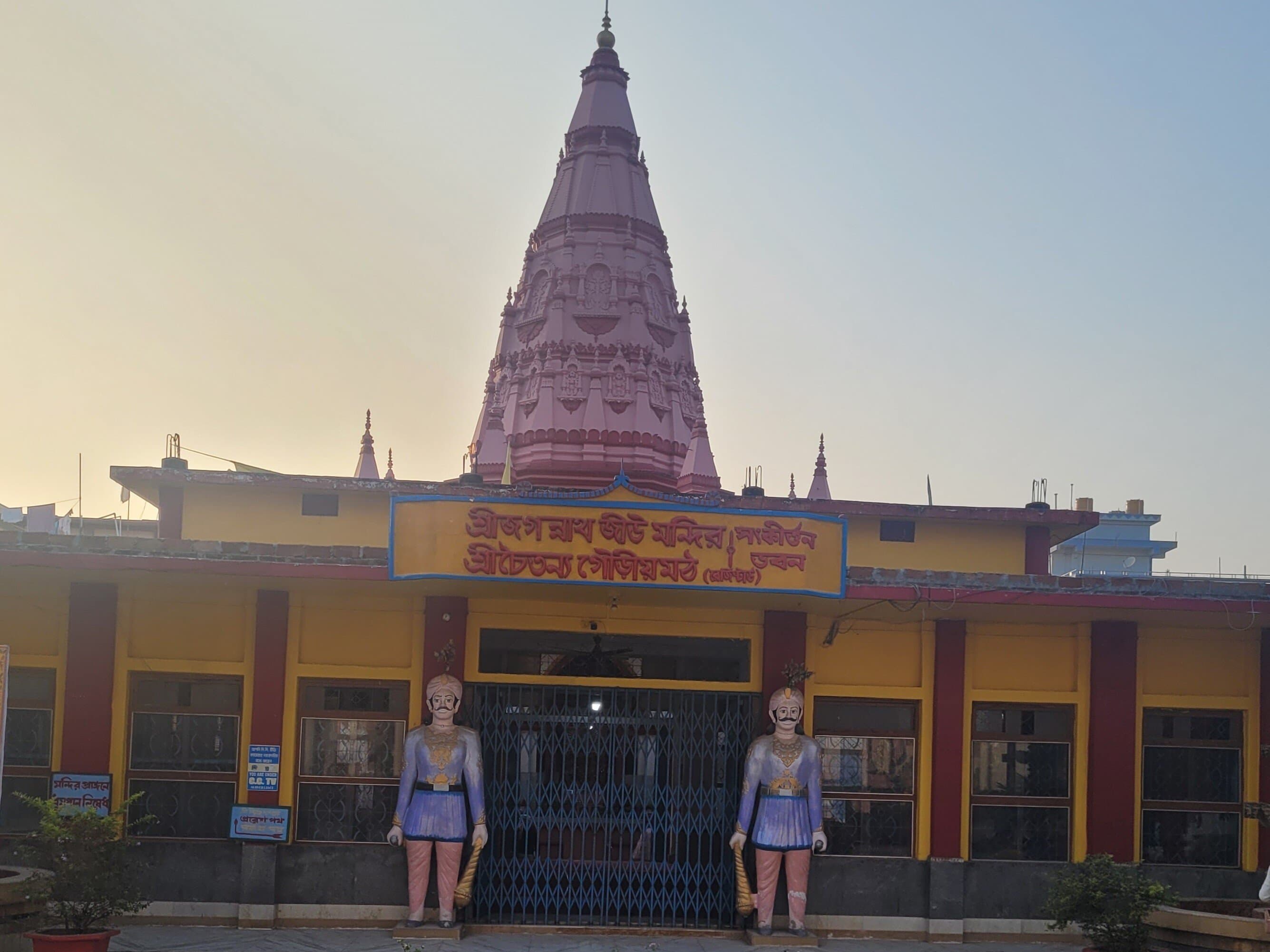
One of the few Jagannath temples outside Odisha to hold the Rath Yatra chariot festival, a tradition the ruling dynasty brought to Tripura.

It collapsed in 1990 and was rebuilt from scratch, reopening in 1992, and it still hosts the region's biggest Rath Yatra.

In continuous worship since it was built, reached by marble steps flanked by carved stone elephants.

A 15th-century palace between two artificial lakes, designed to look like a ship.

Built to protect Amber Fort and the royal treasury, it holds the Jaivana Cannon, the largest wheeled cannon ever cast in its era.
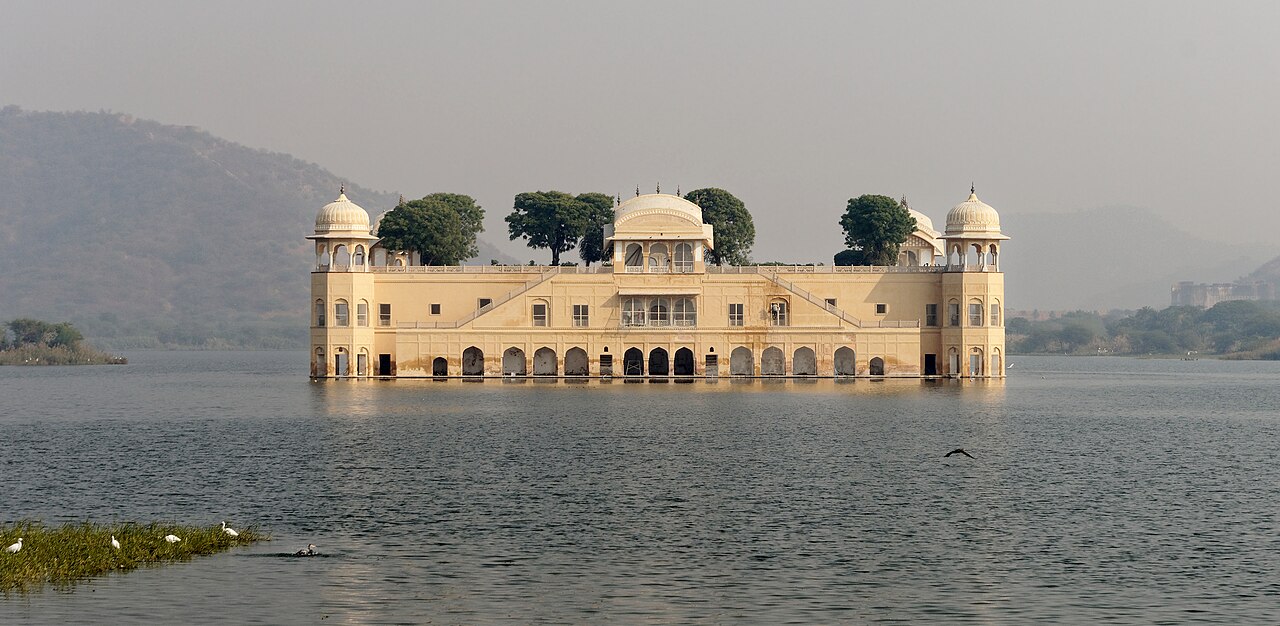
A palace that seems to float on Man Sagar Lake, with four of its five stories underwater, built as a duck-hunting lodge.
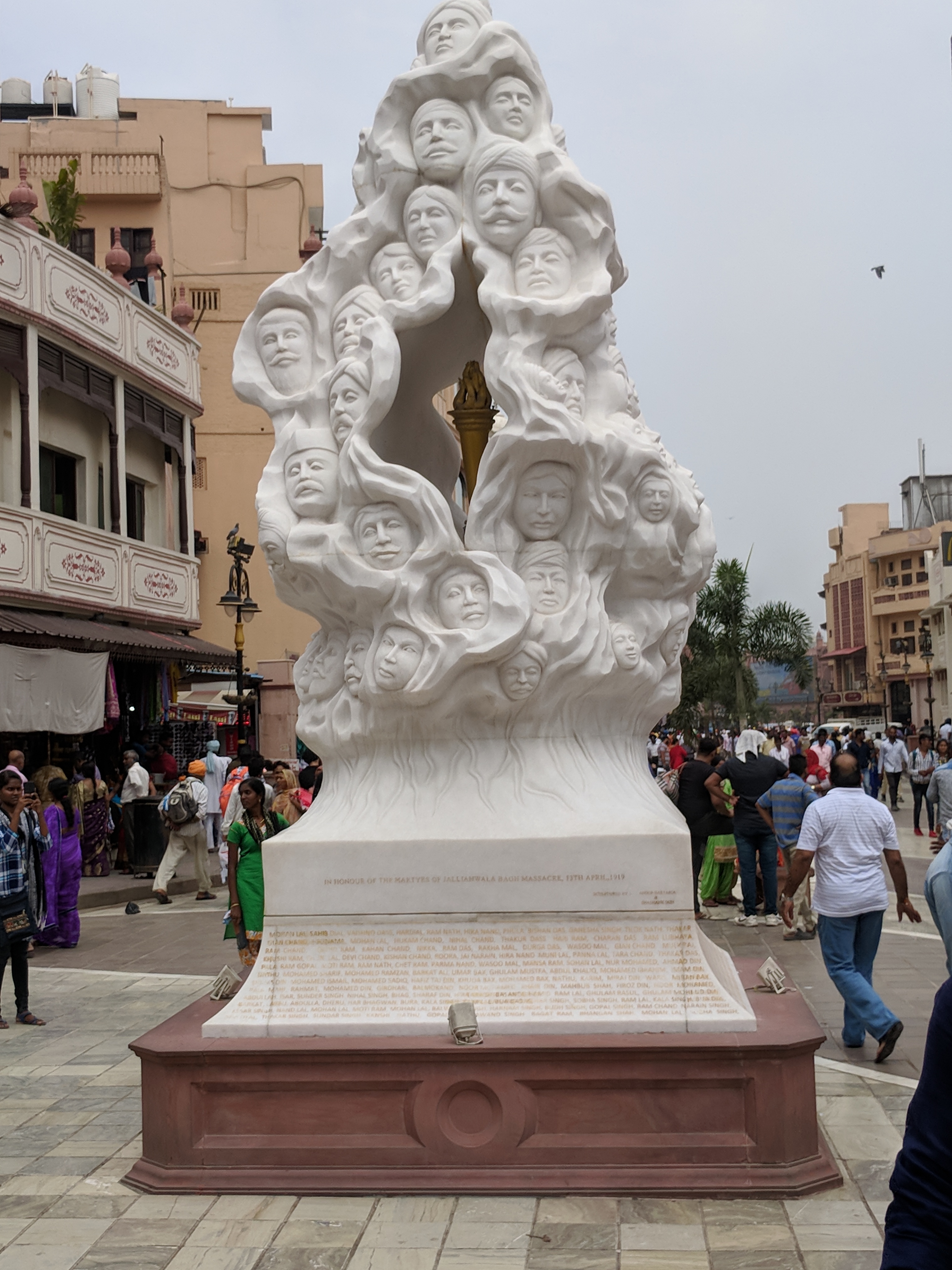
In 1919, British troops fired on an unarmed gathering here, killing hundreds. Bullet marks are still visible on the garden's walls.
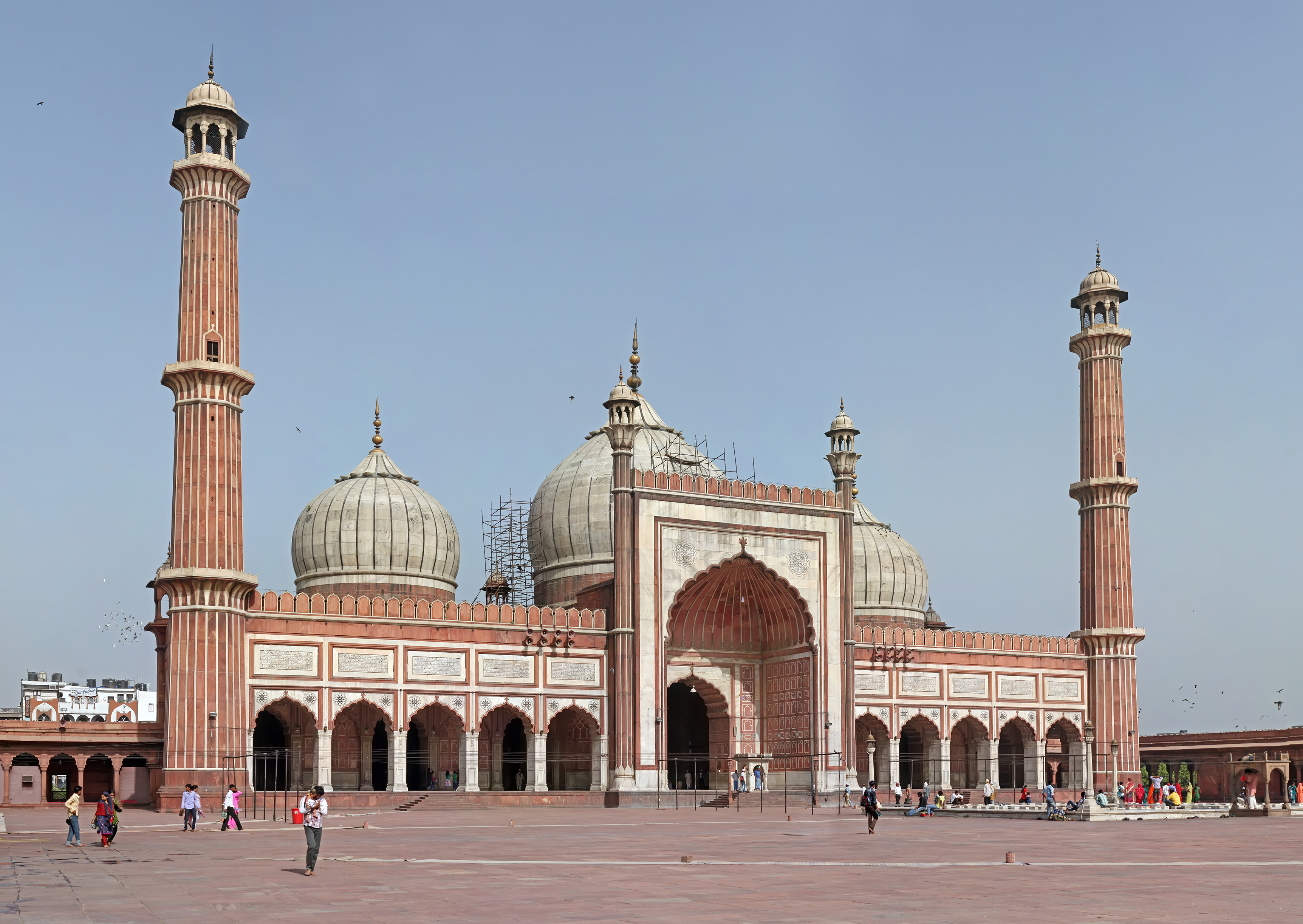
Shah Jahan's mosque took six years to build, and its courtyard can hold 25,000 worshippers.

Shah Jahan's eldest daughter, Jahanara Begum, commissioned this red sandstone mosque, still a working place of worship.

A 15th-century Friday mosque whose vast courtyard can hold thousands of worshippers.

The world's largest stone sundial stands 27 metres tall among 19 instruments built to read the sky with the naked eye.

In 1724 a maharaja built stone instruments to track the sky, predict eclipses and measure time, one of five observatories he raised across northern India.
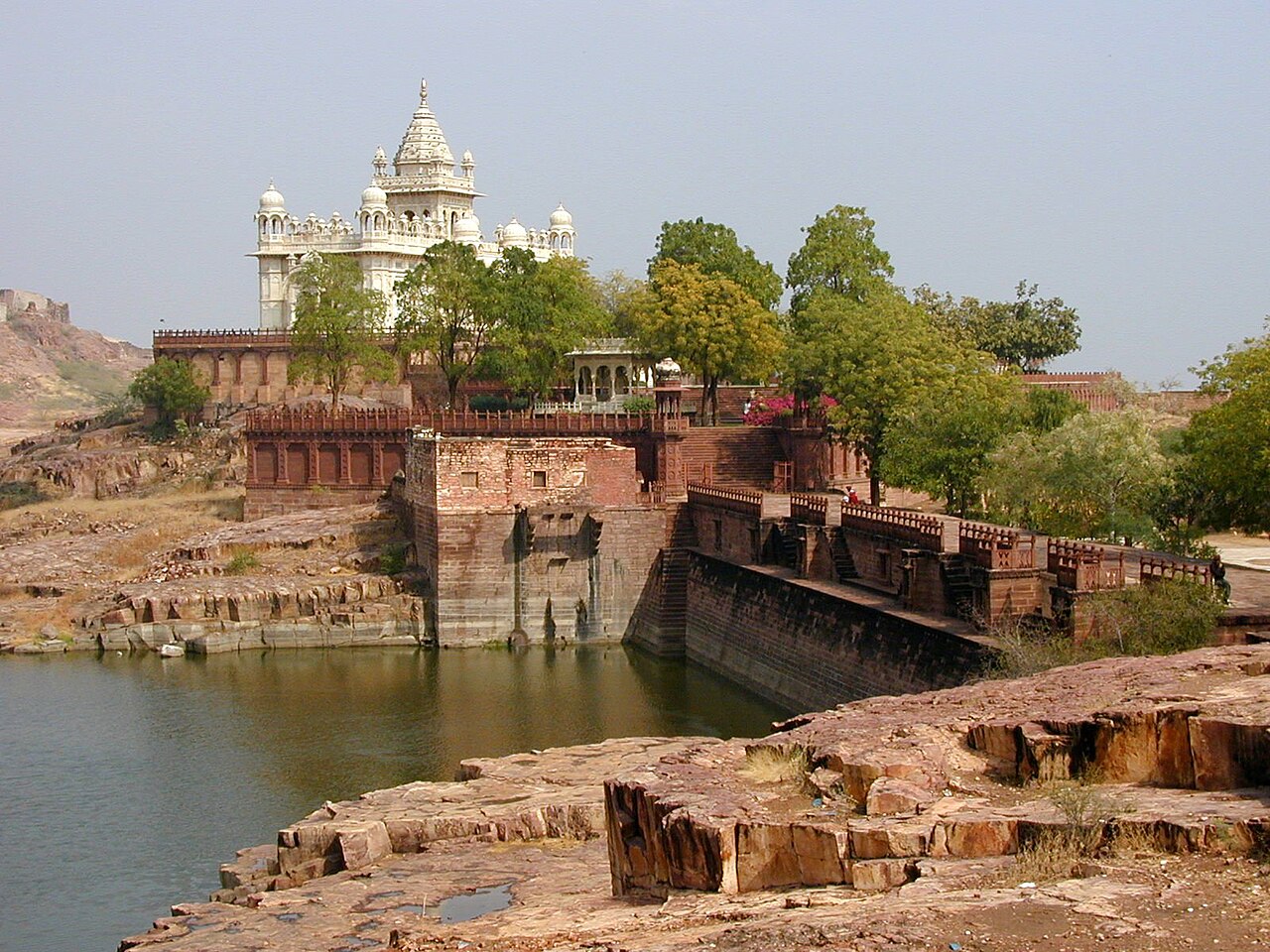
A marble cenotaph and cremation ground of the Rathore family, its thin polished marble glowing warm in sunlight.

Over 20 tribal communities, each with its own language and customs, share one collection.

Since 1952, artists like M.F. Husain and F.N. Souza have shown their work here, in halls rented to newcomers and celebrated names alike.

Believed to date to the 6th century, these caves hold a quiet turning point, where Buddhist worship gave way to Hindu.

Rabindranath Tagore was born in this 1784 mansion, and writers and artists from around the world still come to see it.

Ninety-nine bastions guard a 16th-century fort with 37 chambers of wall paintings and mirror work.
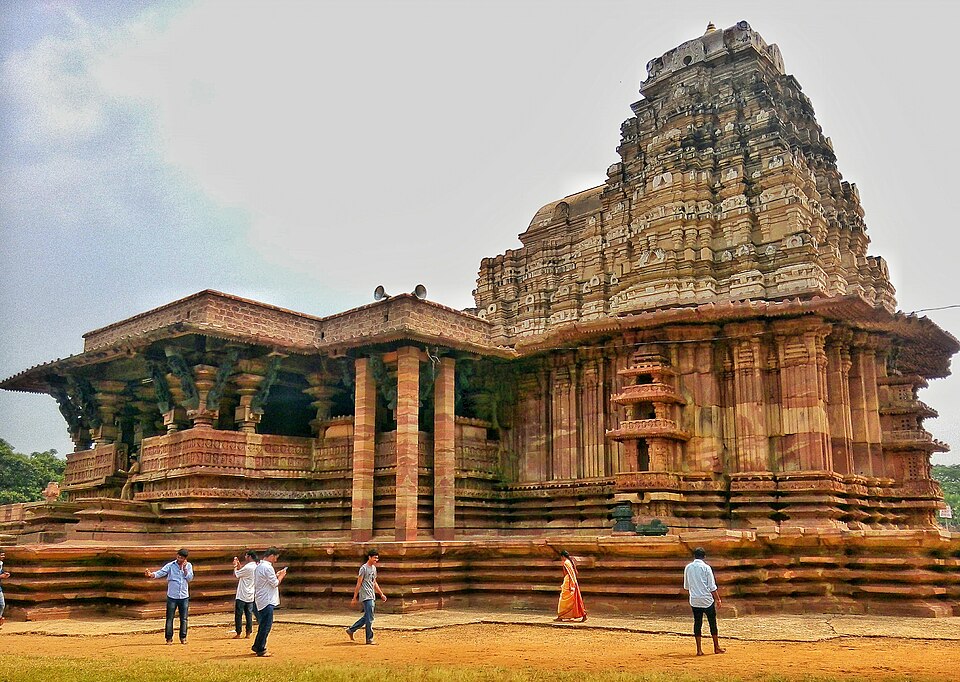
It is named for its chief sculptor, Ramappa, a rare case of a temple bearing its craftsman's name, and its roof uses bricks light enough to float.
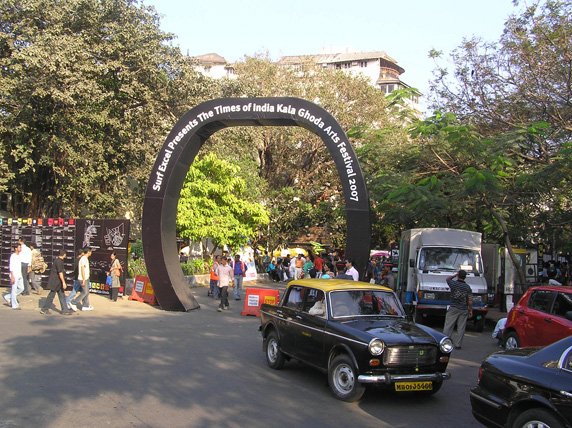
The black horse is long gone, but the name stayed. Today the lanes fill with galleries, cafes and a yearly arts festival.

No idol stands at its centre. Worship here focuses on a natural rock fissure, kept moist by an underground spring.
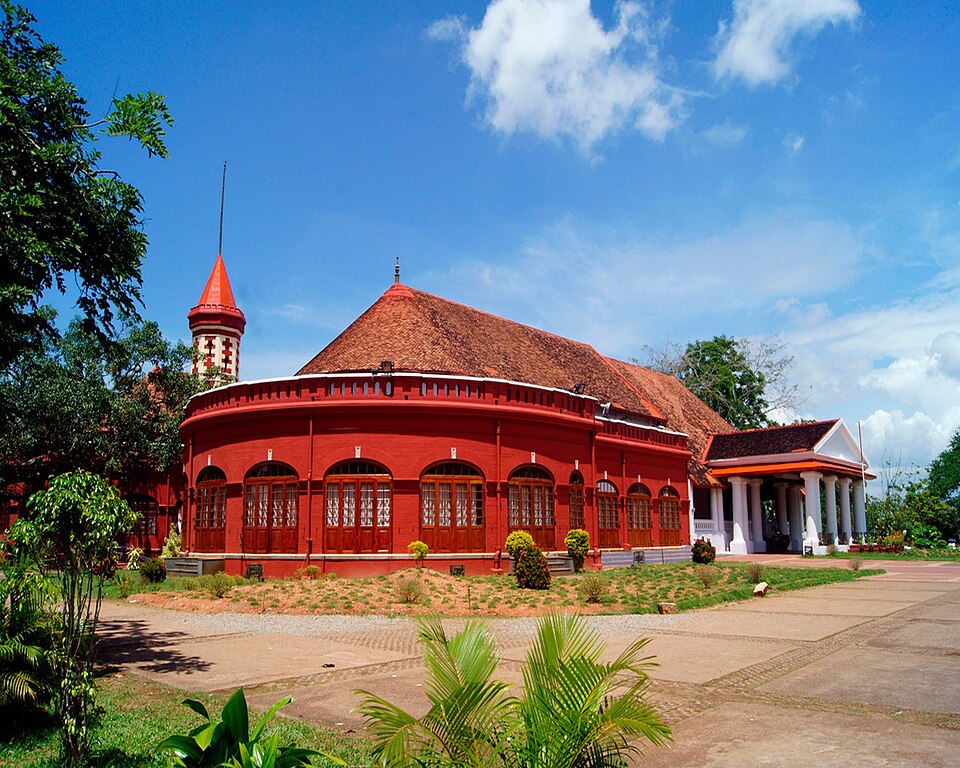
Once the stage for lavish royal banquets, now its grounds host open-air concerts and dance festivals.

Believed to be the dwelling of Pakhangba, the serpent-dragon ancestor deity of the Meitei, it carries a weight closer to a temple than a citadel.

Over 1,000 monks once lived and studied among these 109 caves, cut into basalt on the trade routes between the Deccan and the coast.
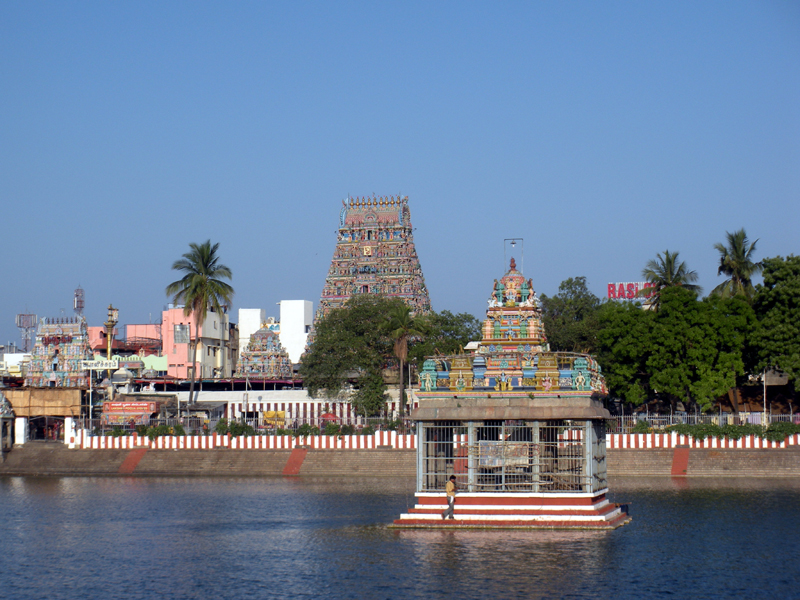
Tradition holds that it once stood closer to the sea and was demolished by the Portuguese in the 16th century, then rebuilt inland.

Home to one of India's largest collections of Mysore and Tanjore paintings, and to miniatures from Rajasthan, Mysore and the Deccan.

Thousands of black rats live here, worshipped as manifestations of the goddess Karni Mata.

One of Shiva's 12 Jyotirlingas, rebuilt in 1780 by Queen Ahilyabai Holkar after repeated destruction.
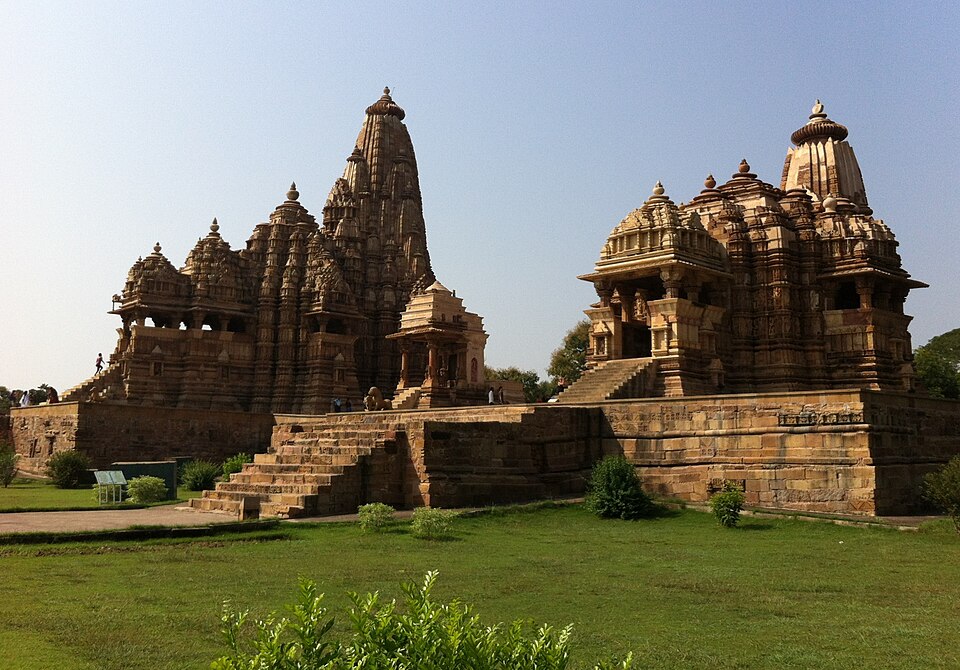
About 85 temples once stood here and 25 survive. Forest swallowed them for centuries before they were found again.

A modest marble memorial to Dr B.R. Ambedkar, architect of the Indian Constitution. Kirti means fame in Sanskrit.

A son built it in 1884 in memory of his father. One of the few Baghdadi Jewish synagogues left in India, it is still a place of worship.

The battle was fought partly across the district commissioner's tennis court, and now over 1,000 soldiers rest here side by side, regardless of rank or nationality.
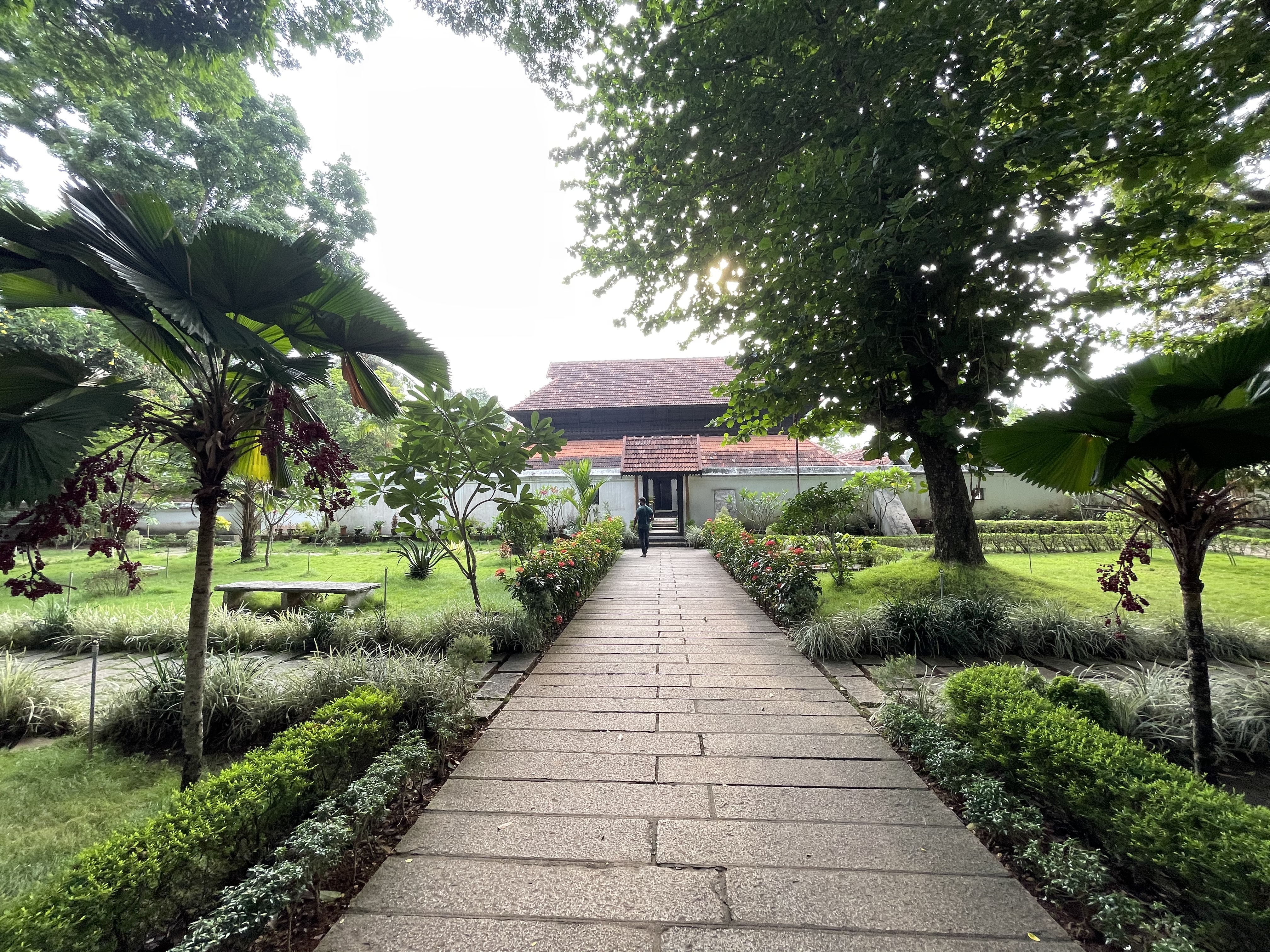
India's largest mural painting, the Gajendra Moksham, spans 49 square metres inside this 18th-century palace.

Its 38 km of walls are said to be the second longest wall structure after the Great Wall of China, and Maharana Pratap was born here.

Beneath Patna's outskirts lie the remains of an 80-pillared hall from Ashoka's capital, more than two thousand years old.
A lake in the Munnar hills for boating, stocked with trout.
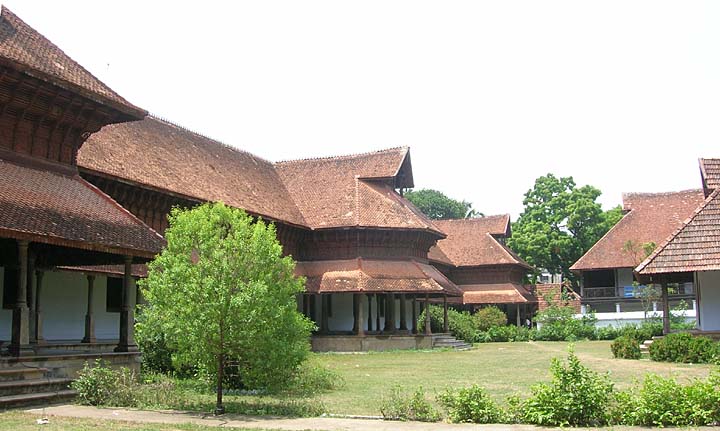
122 carved wooden horses line its eaves. A poet-king, Swathi Thirunal, built it.
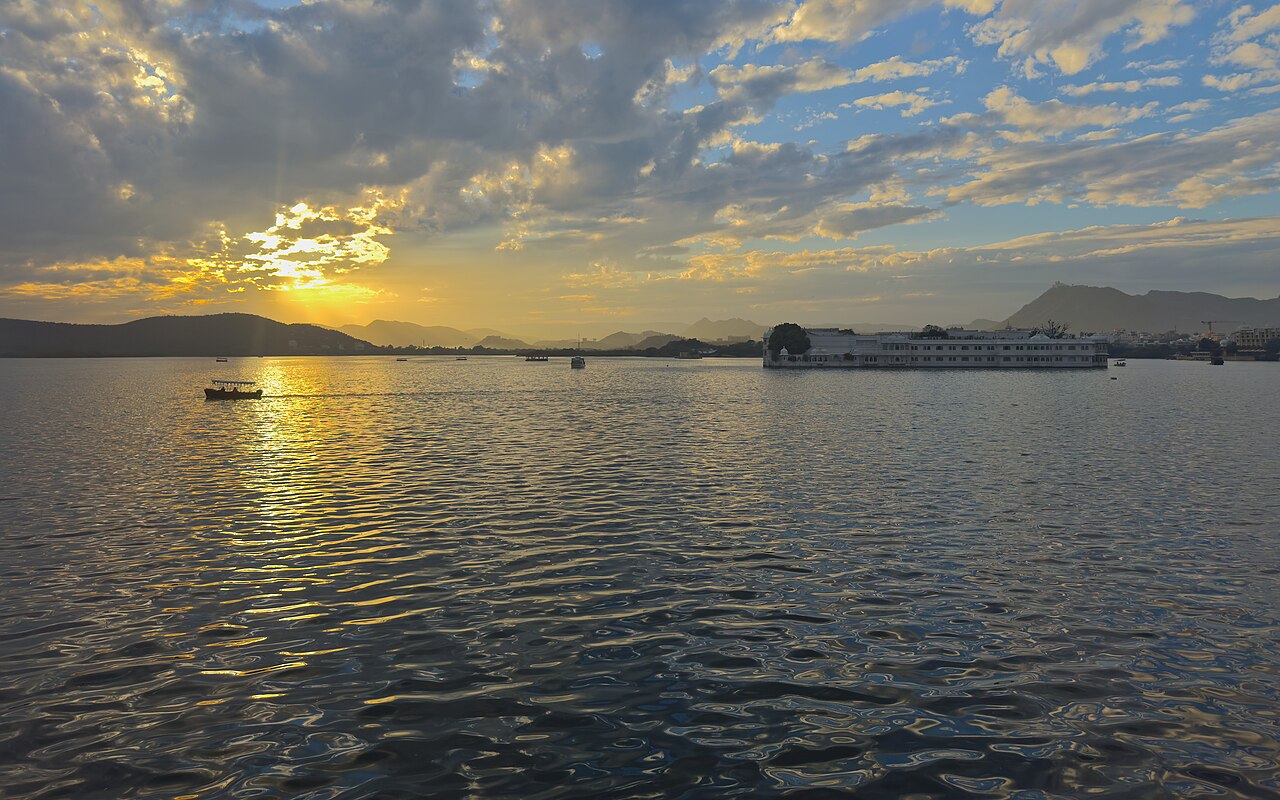
The lake Udaipur was founded around, widened by Maharana Udai Singh II for the natural defence it gave the city.

Believed to be where the young Shivaji spent his childhood. What stands today is a 1980s reconstruction after fire destroyed the original.

Established in 1760 on 240 acres, its glass house was modelled on London's Crystal Palace.
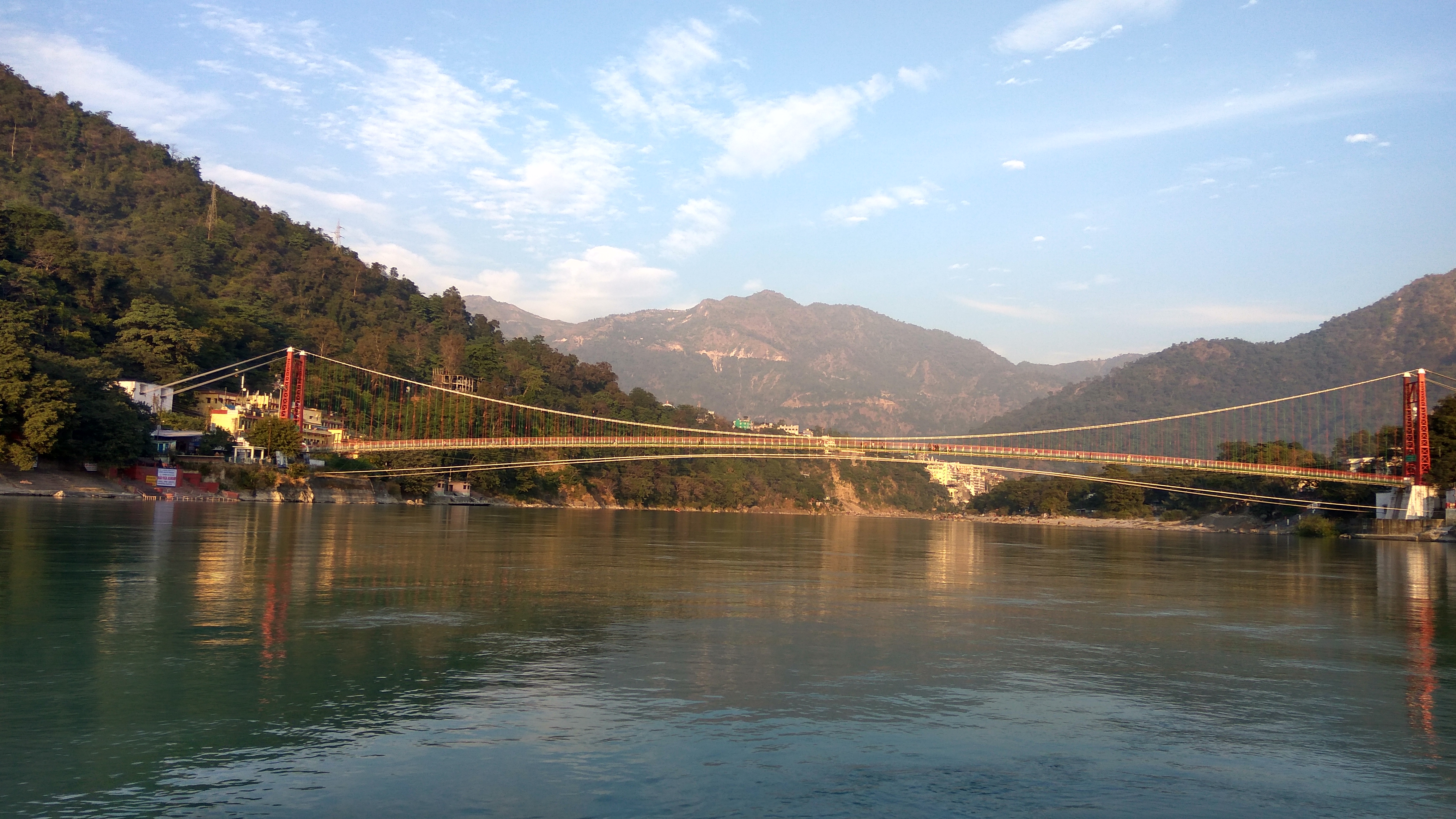
Named for the legend that Lakshmana crossed the Ganges here on jute ropes. A son helped fund the bridge in memory of his father, with a promise that no toll would ever be charged.

An Open Hand turns in the wind above Chandigarh, meant as a gesture of peace: open to give, open to receive.

Nine storeys of Tibetan-style architecture, partly in ruins, above Leh and its views over the Ladakh landscape.

A 180-foot tower rises over the temple of Tribhubaneswar, Lord of the Universe, in a city that once had as many as 700 temples.

Morning walkers pass 15th and 16th century tombs of Sayyid and Lodi rulers, in a park redesigned by British landscape architects in the 1930s.
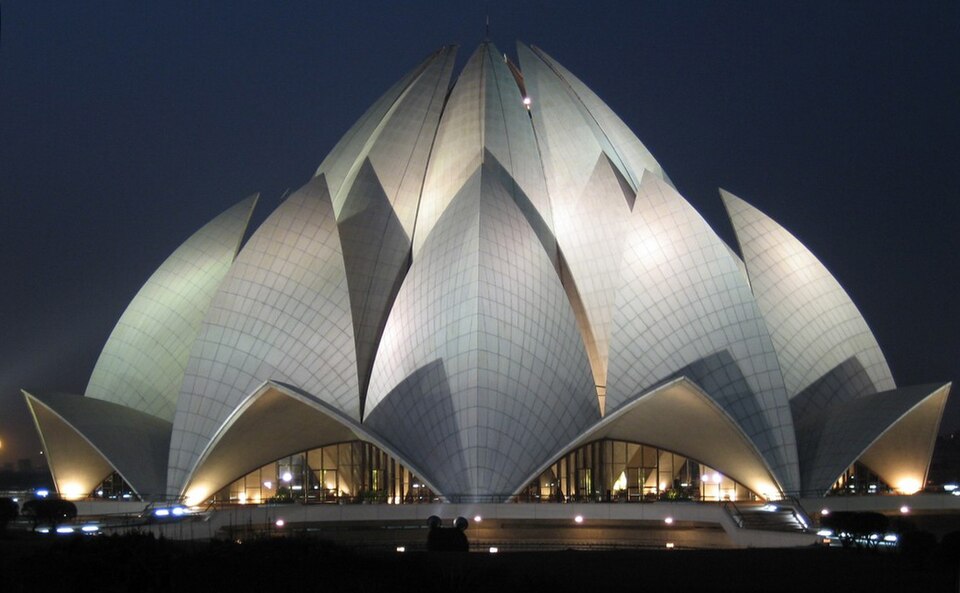
No idols, no sermons, no rituals, only silence, open to people of every faith beneath 27 marble petals.
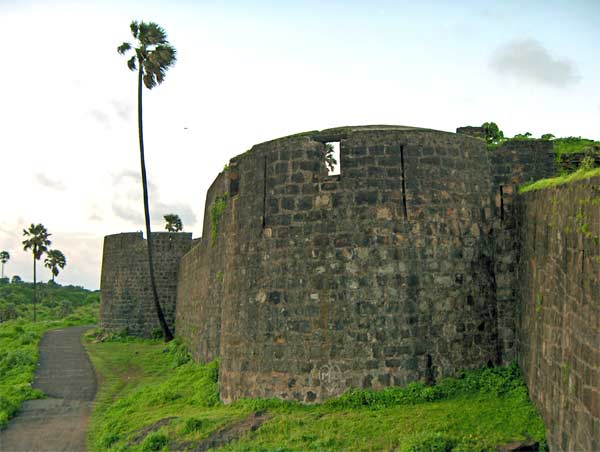
Portuguese, Maratha and British forces all contested it. Now its weathered walls sit quietly beside the beach.

Here the Buddha attained enlightenment. The Bodhi tree beside the temple descends from a cutting sent to Sri Lanka by Ashoka's daughter.

Chhattisgarh's oldest museum is named for Guru Ghasidas, a reformer who founded a movement rejecting caste distinctions, rather than for a king.
The palace where Ranjit Singh spent his summers now displays his arms, armour, paintings, coins and manuscripts.

Maharani Ahilyabai Holkar, revered as one of India's greatest female rulers, built and renovated this fort above the Narmada in the 18th century.
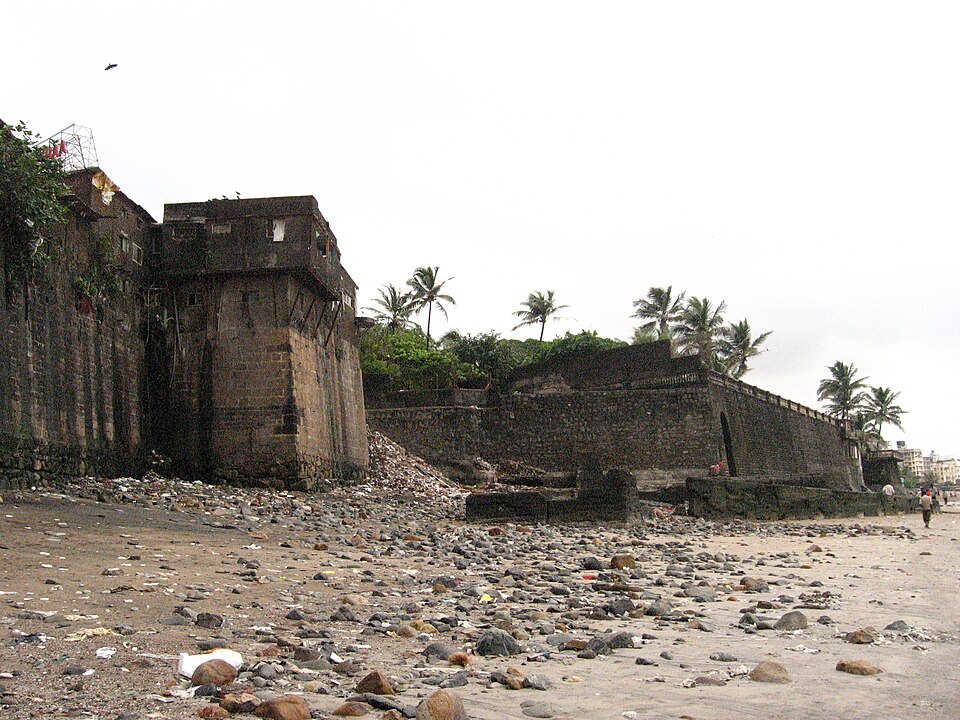
Built to guard the gap between two separate islands, Mahim and Bandra. Only fragments of its walls remain among the crowded city.

Marwar's original capital before Rao Jodha moved it, later the royal cremation ground, marked by red-sandstone cenotaphs among gardens.

Between 1917 and 1934, this Gamdevi house was Gandhi's home in Mumbai. Today a recreation of his room waits inside.
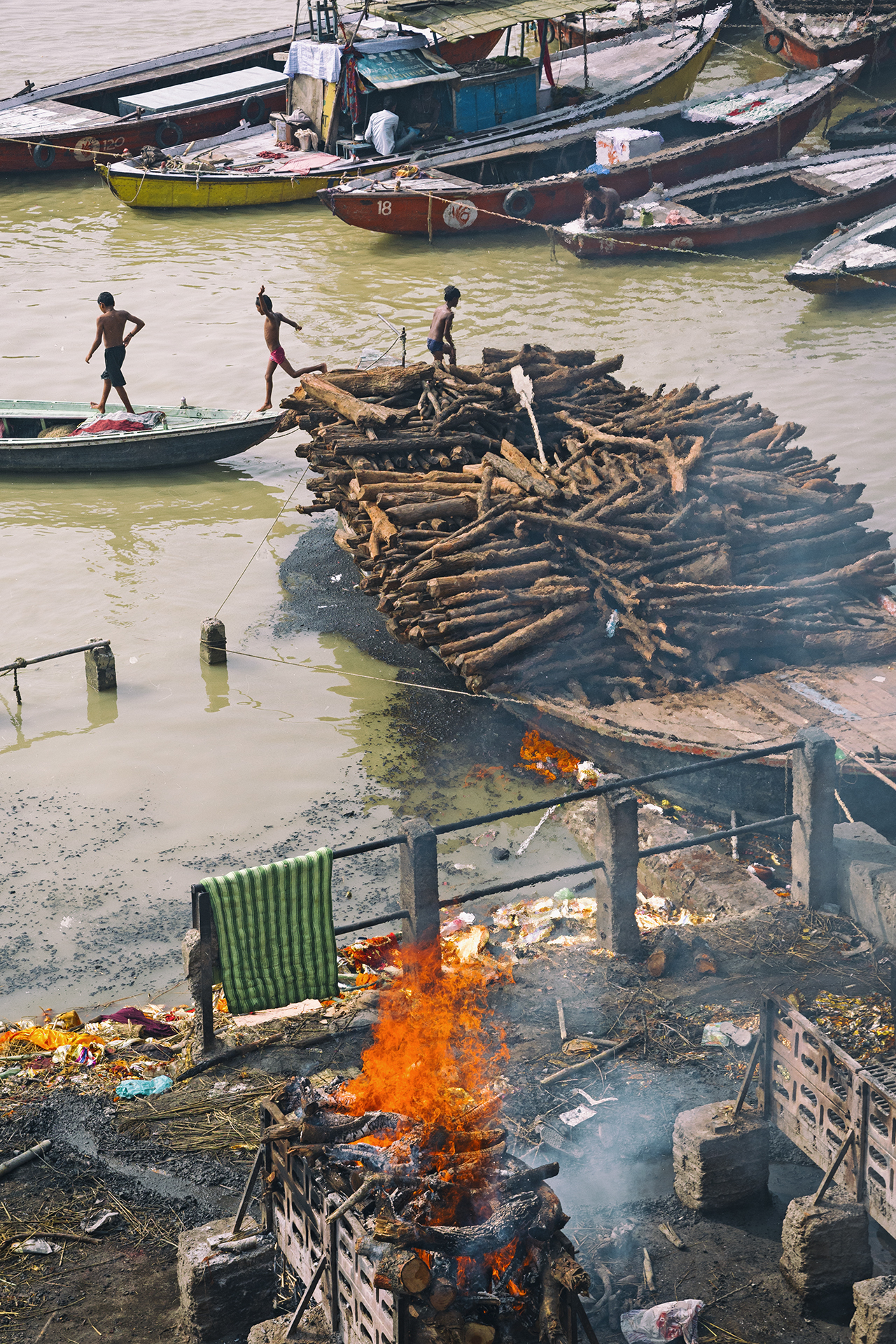
For many Hindus, cremation here is not an ending but a release. It is among the most sacred places in Hinduism.

Local legend says Shiva himself rested here on his way to bless Krishna's birth in nearby Mathura.
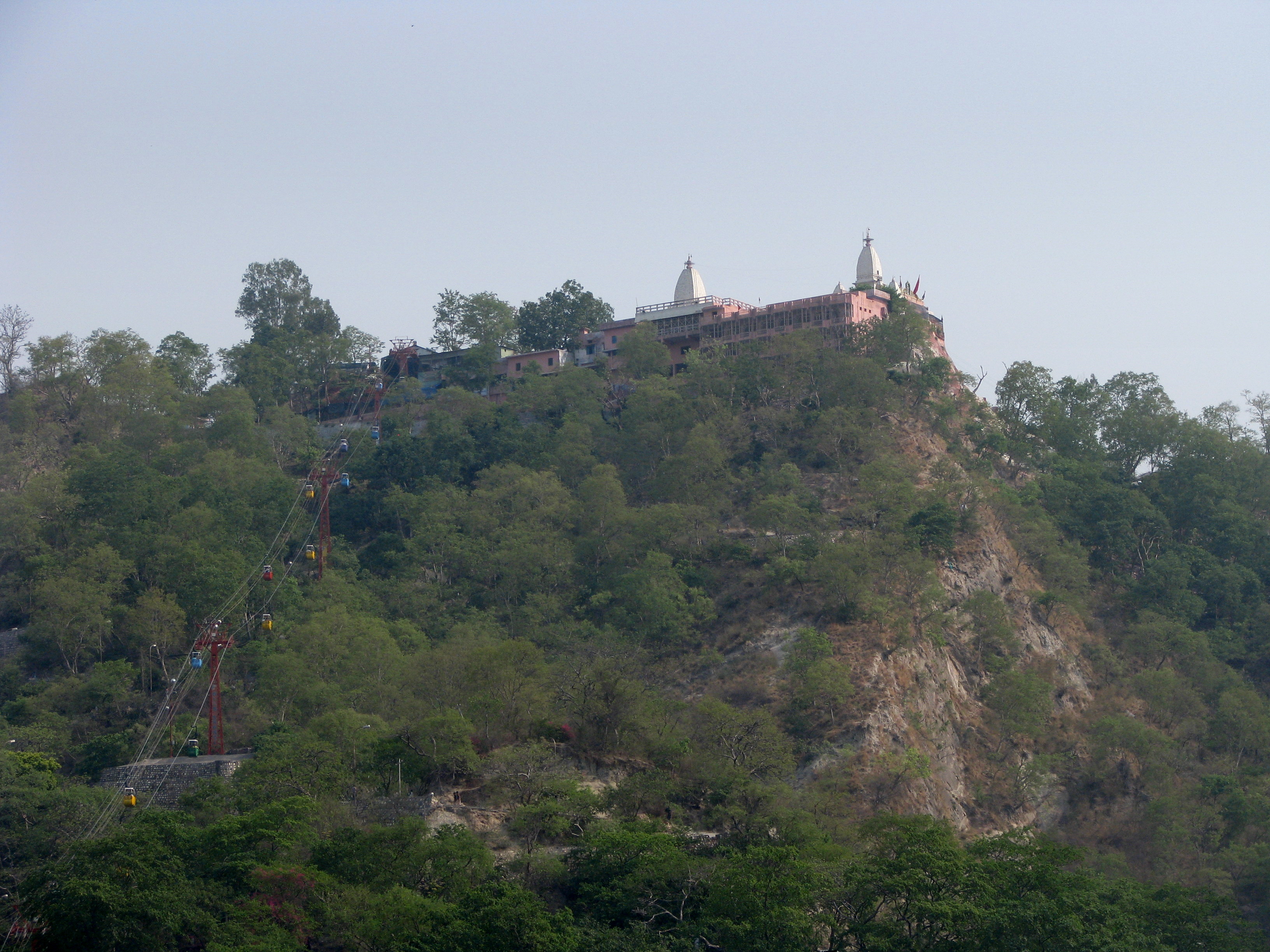
Two idols of the goddess share the inner shrine, one with eight arms, the other with three heads and five arms. You climb on foot or ride the ropeway.
A 19th-century mansion full of European sculptures and chandeliers that is still someone's home, so visitors arrange permission at least 24 hours ahead.

Built in 1842, it has guided ships along the Coromandel Coast for 180 years.
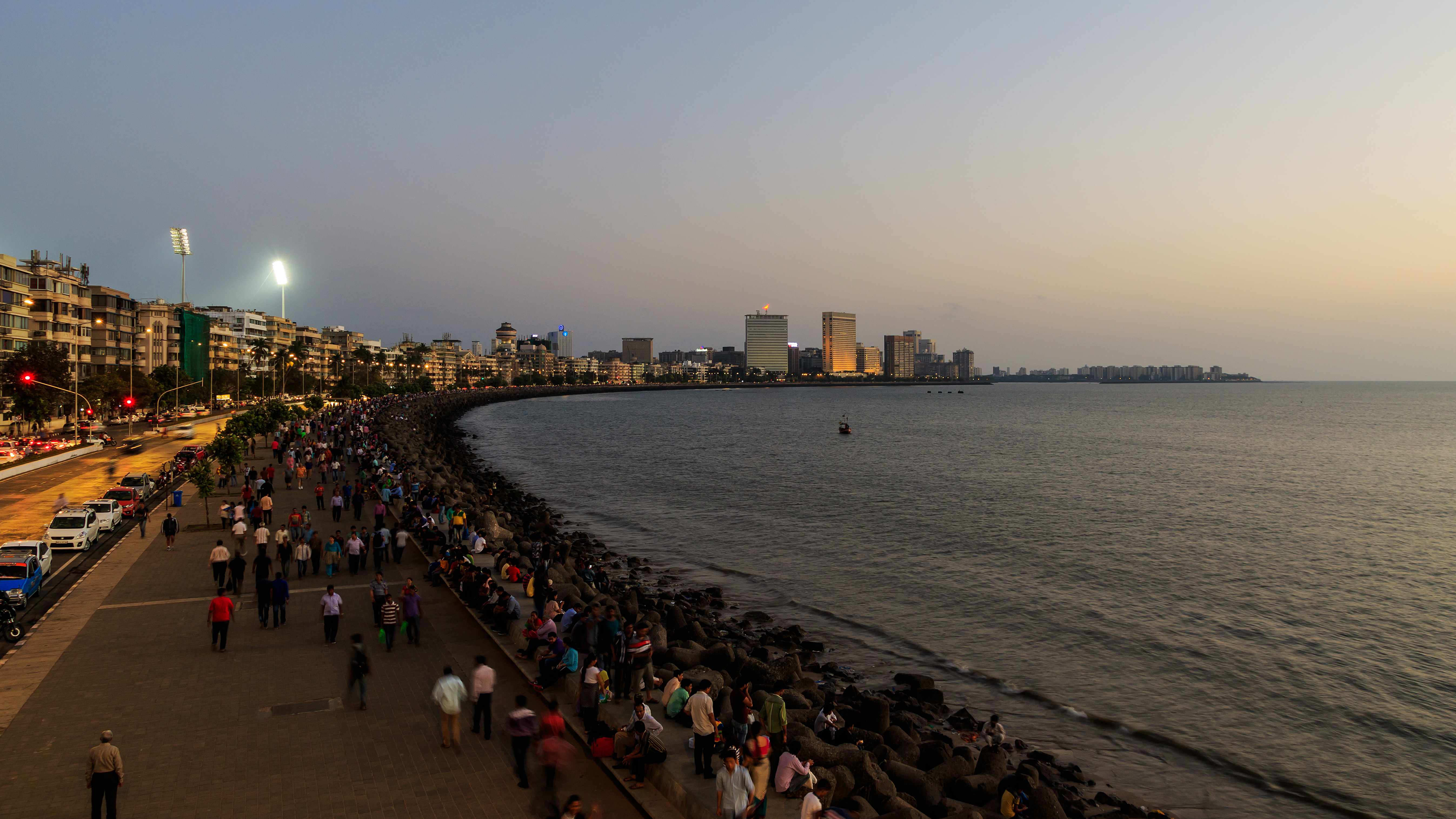
Over 100 Art Deco buildings curve along the waterfront, and at night the lights turn it into the Queen's Necklace.

Hand-painted murals of the Ramayana and Mahabharata from the 16th and 17th centuries are still visible on its walls.
Built in 1953 at 1,700 metres, this dam creates a lake that attracts wild elephants.

Its central arch is said to be built from bricks made with soil brought from Mecca.
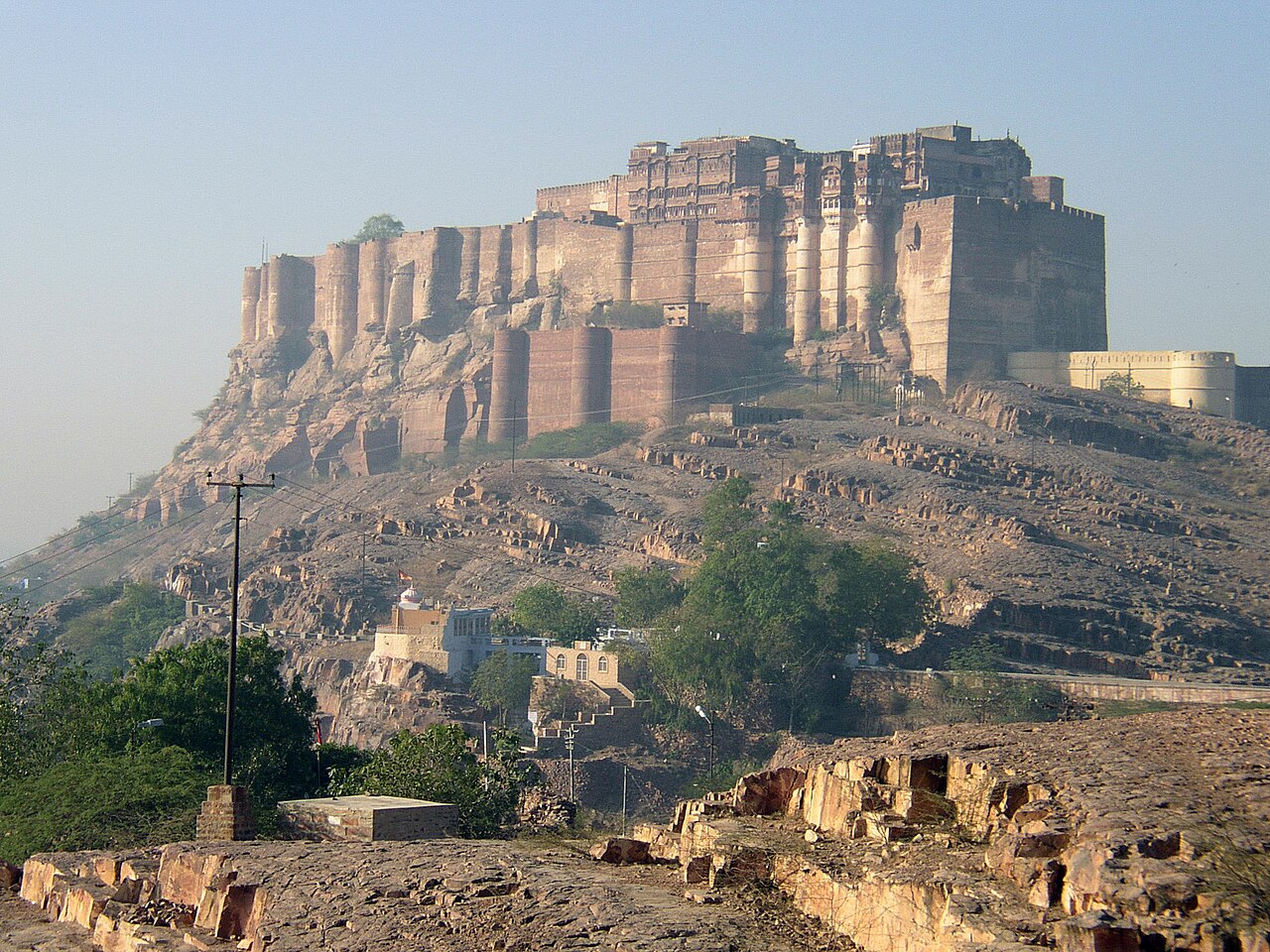
It rises 122 metres above the plains on 36-metre walls, and is still run by the royal family's museum trust.

More than 100 monuments from over a thousand years of building lie scattered across 200 acres, from Sultanate ruins to late Mughal tombs.
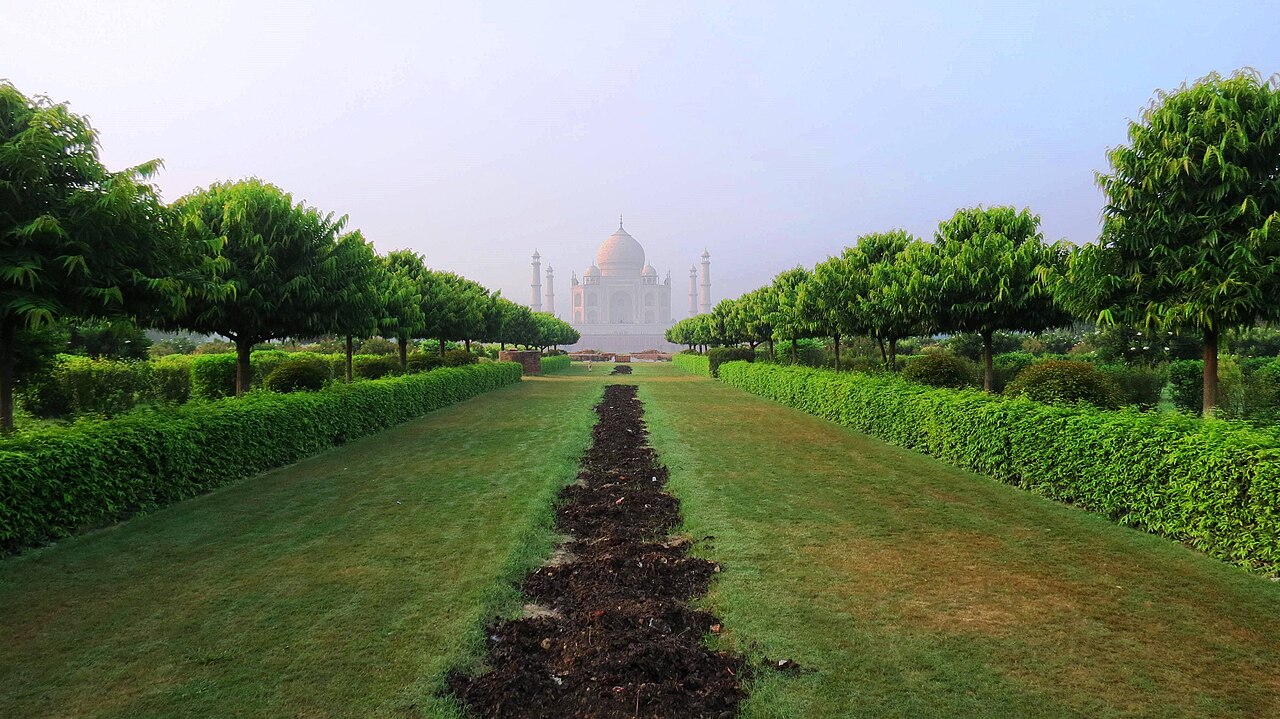
A moonlit garden that Shah Jahan aligned precisely with the Taj Mahal across the river.

Fine Mizo weaving on hand looms, in natural dyes, where a single cloth can take weeks to complete.
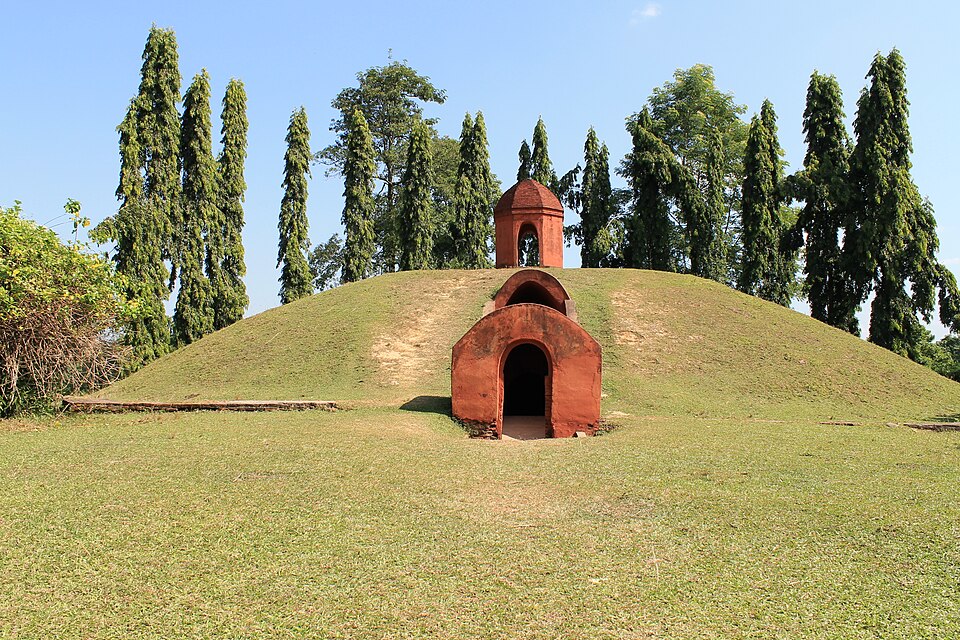
The Ahom kings ruled Assam for nearly 600 years, one of the few kingdoms the Mughals never permanently conquered, and around 90 of them rest in these earthen mounds at Charaideo.

Built to watch the monsoon clouds roll in, but its founder died at 26 before it was finished.

Sikandar Begum, one of four women who ruled Bhopal in succession, built this pink-and-white mosque as a smaller echo of Delhi's Jama Masjid.

Each September an eight-day feast draws pilgrims of all faiths to this hilltop basilica, where Hindus, Muslims and Christians alike come to ask for wishes.
More than 150 years of tea plantation history, told through antique machinery and processing demonstrations.
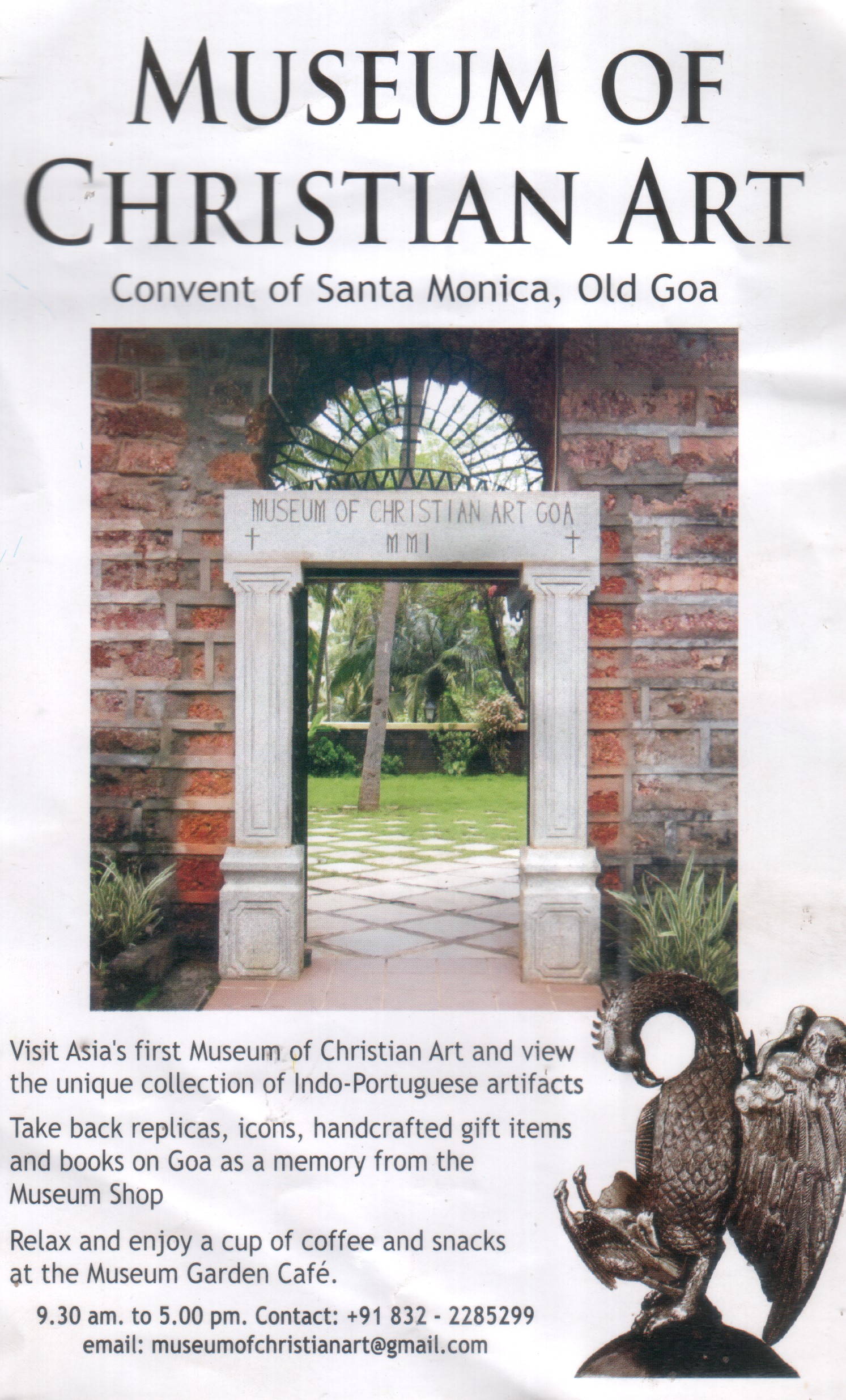
Old Goa was the capital of Portuguese India, and this museum in it keeps Christian religious art from the colonial era.
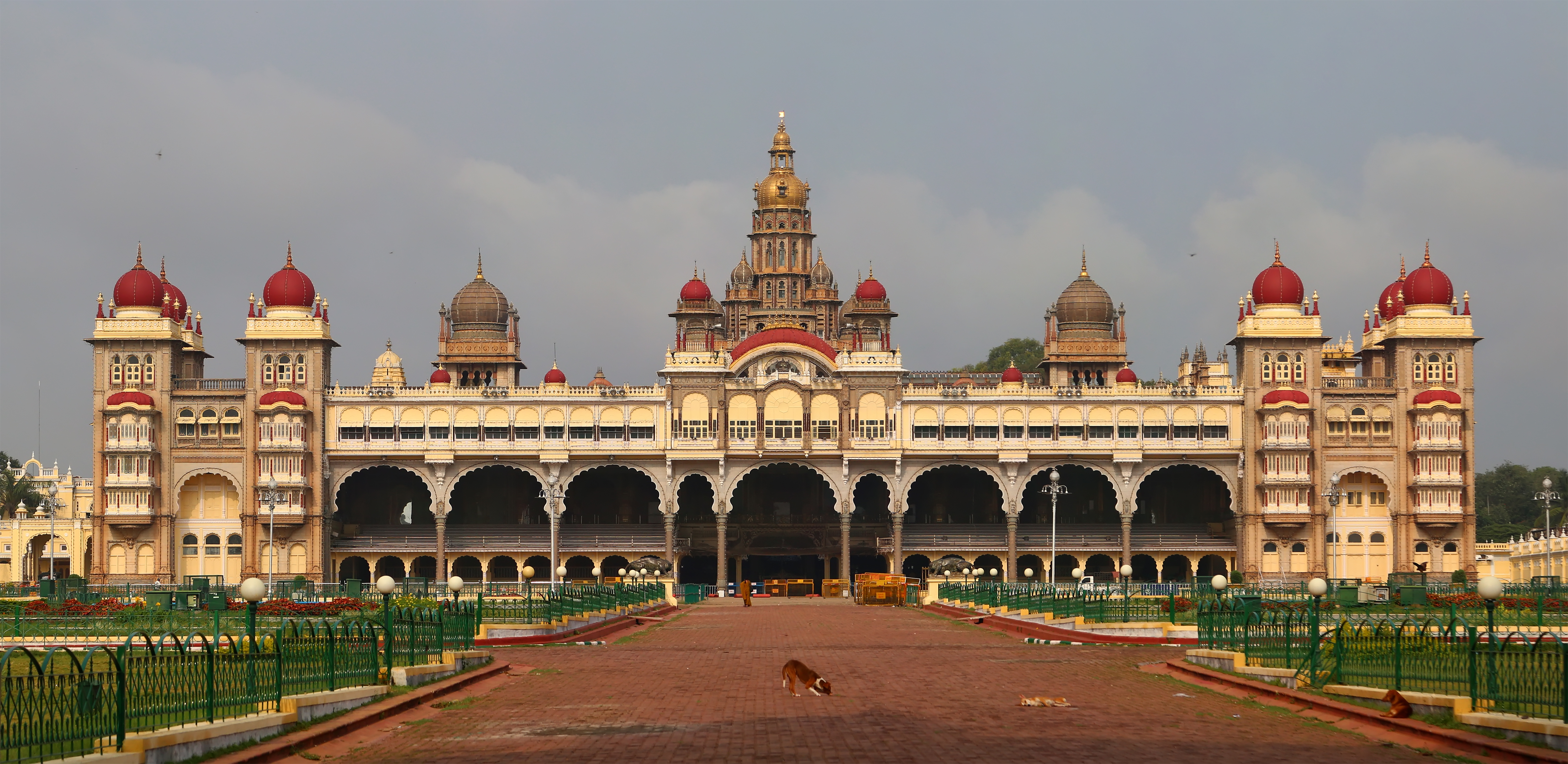
During Dasara, more than 100,000 lights turn the palace into a night-time spectacle visible from kilometres away.

Over 16 recognised tribal groups, each with its own language, dress and customs, are gathered under one roof.

Part of a defensive ring with Amber and Jaigarh, and now the city's premier place to watch the sunset.

Modelled on Akbar's tomb at Sikandra, built by a wealthy Kutchi Memon trader, with a prayer hall for over 10,000 worshippers.

Legend says the gods dug this lake with their nails. Gandhi's ashes were immersed here on 12 February 1948, and Gandhi Ghat was built beside it.

Objects from one of the world's oldest universities, including manuscripts and everyday things from the 5th to the 12th centuries.

Thousands of monks and scholars from China, Korea and Tibet came here to study at one of the world's oldest residential universities.

Tipu Sultan built a palace on these hills, a military stronghold during the Anglo-Mysore wars.
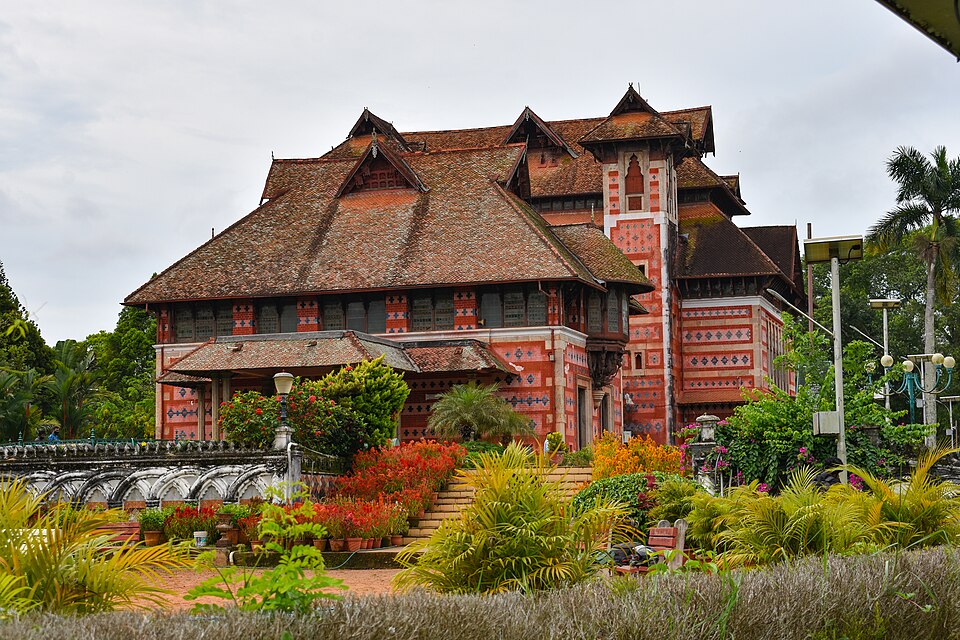
Kerala, Mughal, Chinese and Italian styles meet in a building with no air conditioning that stays naturally cool.

Each evening, aarti with lamps is performed on the sacred stone steps of the Narmada.

Charles Correa designed it to feel like a village, and visiting craftspeople still work in front of visitors.

Housed in a former royal residence built in 1936, it holds the work of Amrita Sher-Gil, the Bengal School and M.F. Husain.

A public hall built in 1911 was repurposed decades later, and now gives Indian modern and contemporary art a home.

Over 200,000 artefacts span 5,000 years, from Harappan seals to Mughal miniatures, and a fragment of relics believed to be from the Buddha himself.

From the Lumière Brothers' first screening in Bombay in 1896 to Bollywood's global rise, India's film story is told inside a restored 19th-century bungalow.

The Fairy Queen, built in 1855, is one of the world's oldest working steam locomotives, and it is kept here among royal saloon carriages and vintage engines.

An eternal flame and a wall of names honour soldiers who died in the wars of 1947 to 1948, 1965, 1971 and Kargil.
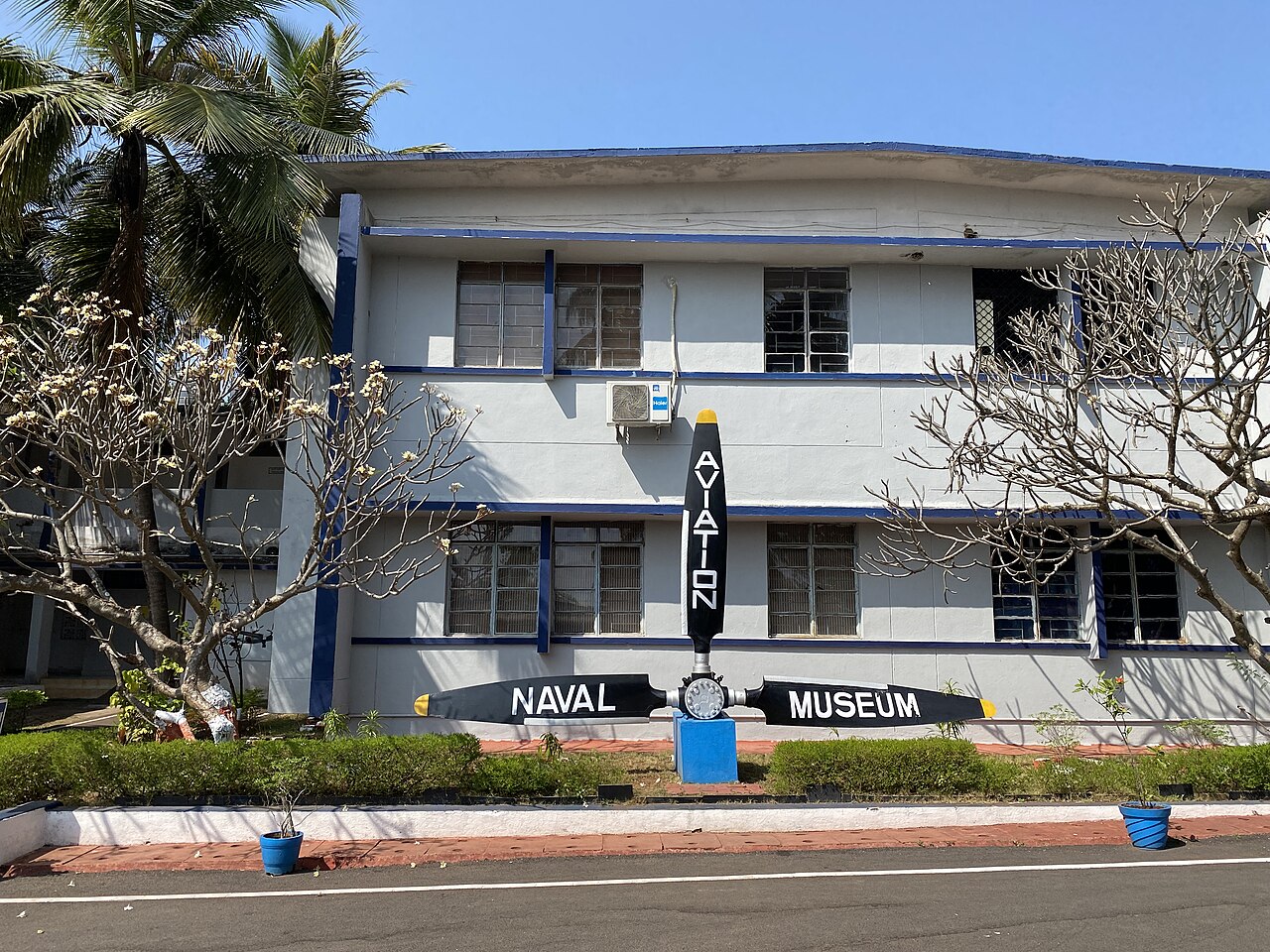
The only naval aviation museum in Asia, with decommissioned Sea Harriers and a hall for India's first aircraft carrier.
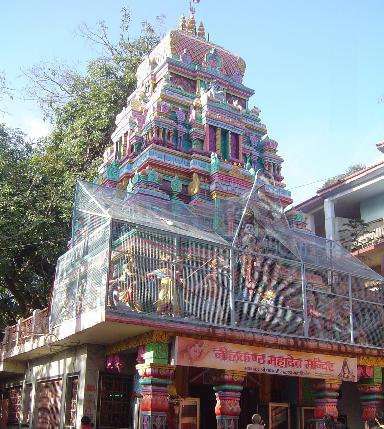
Here Shiva is believed to have swallowed the poison Halahala that rose during the churning of the ocean. The temple's spire shows gods and demons at that churning.

Built as the residence of Britain's Commander-in-Chief in India, later Nehru's home, it now holds galleries for every Prime Minister.

Built so that science could be touched and tried, not just looked at behind glass.

A replica of Kashi Vishwanath, open to all castes and creeds, built in white marble over 35 years.

A palace and a temple in one, dedicated to Shiva, with underground chambers and water management systems.

Built in 1981 by Japanese landscapers as a symbol of India-Japan friendship, with a pagoda, a bridge and water features.

Italian Theatines built the Church of St Cajetan, part of the UNESCO World Heritage complex of Old Goa.

A green park where Victorian Gothic faces Art Deco, and where weekend cricket has long been part of the city's rhythm.
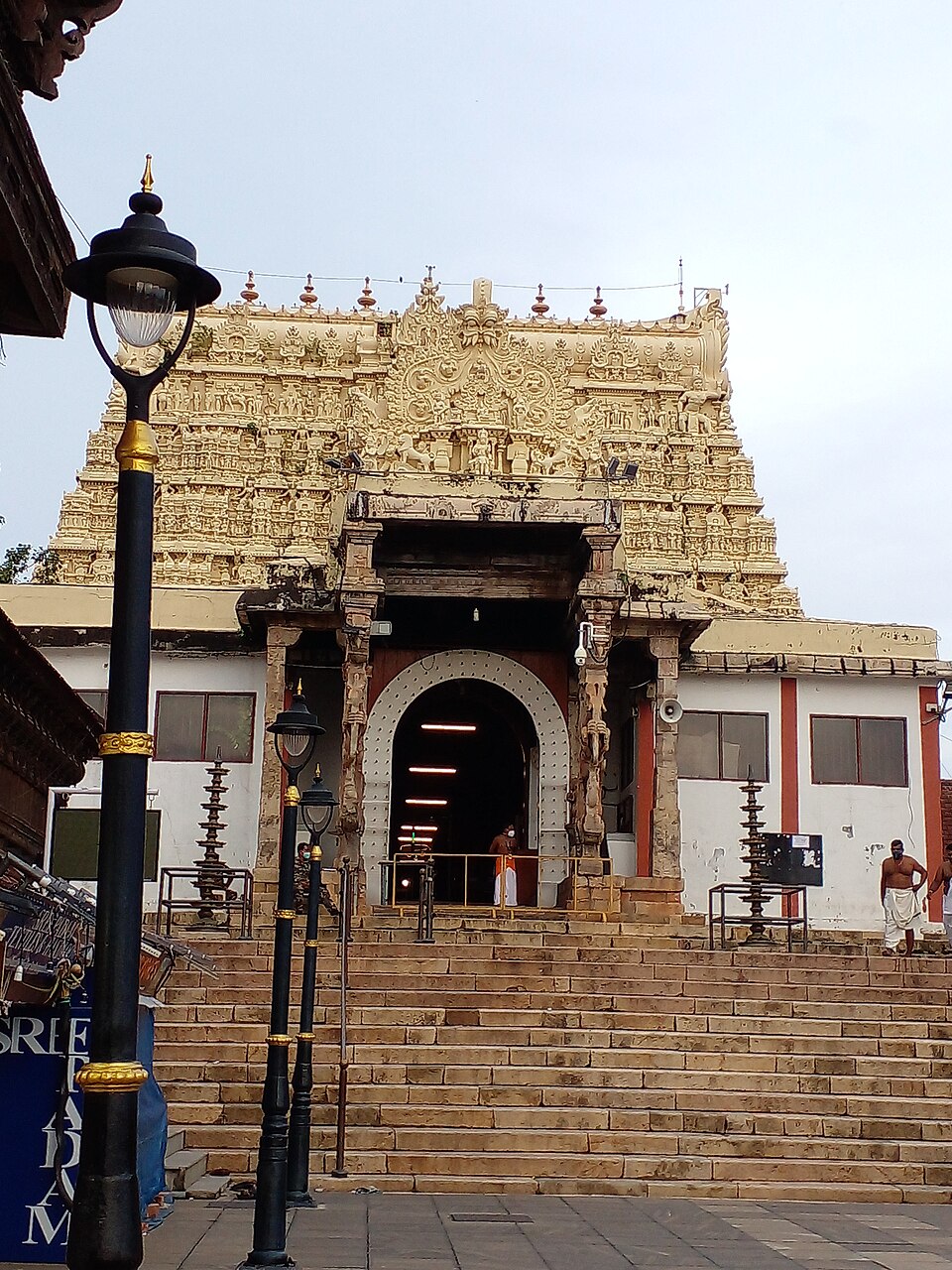
In 2011, a court-ordered inventory of its underground vaults revealed treasure estimated at over one trillion rupees.
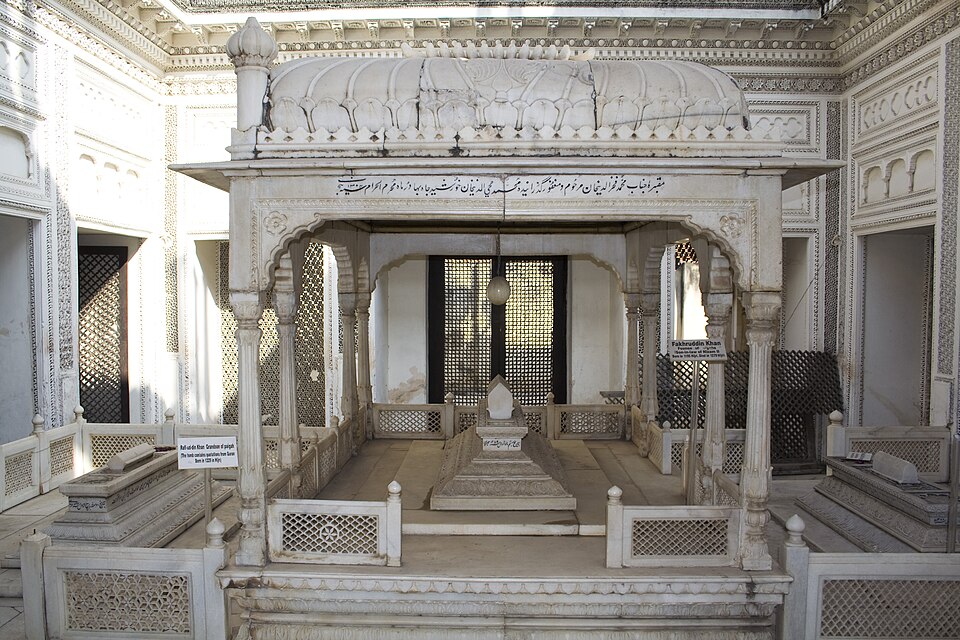
Nobles of the Nizam's court rest in ornate Indo-Islamic mausoleums built by the Paigah family in the 18th and 19th centuries.

India's oldest active synagogue, built in 1568, is floored with hand-painted Chinese porcelain tiles, no two alike.
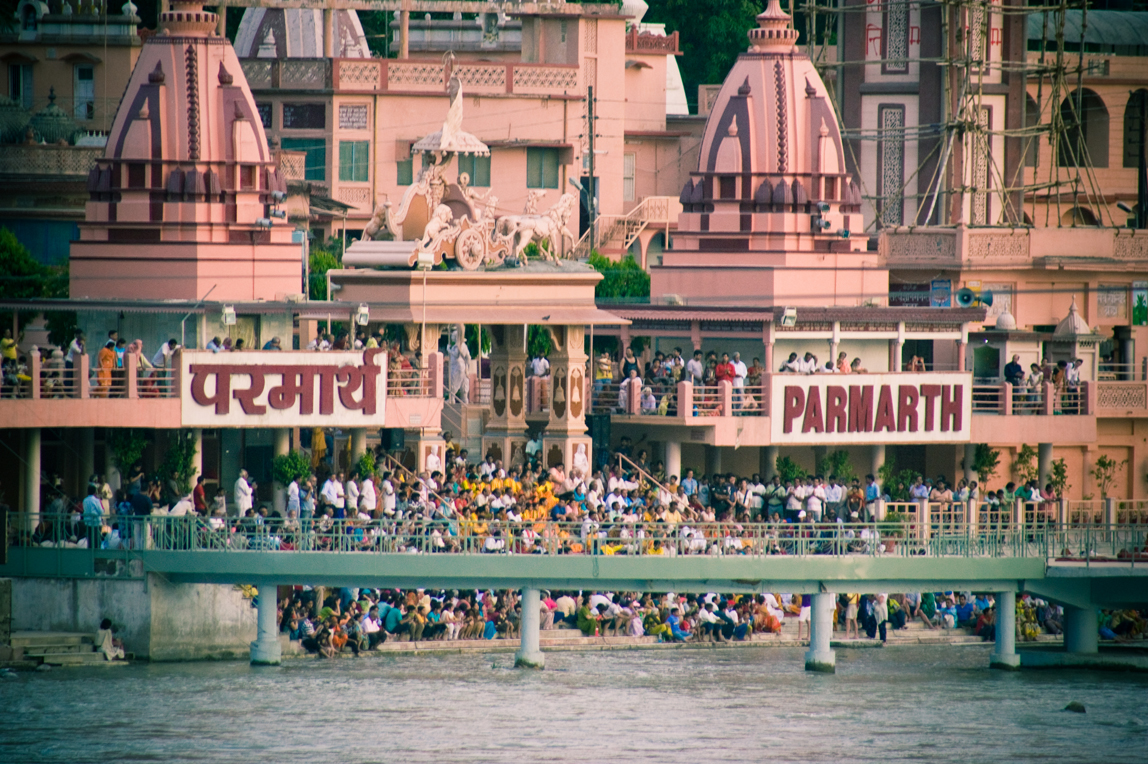
Founded in 1942 on the banks of the Ganges, Rishikesh's largest ashram is known for its large evening Ganga Aarti.
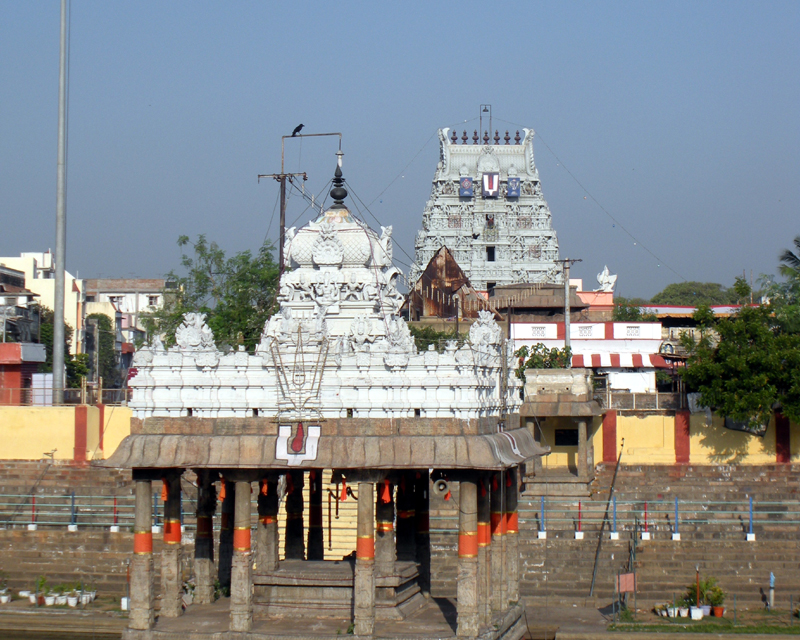
Krishna is shown here as Arjuna's charioteer, with a moustache and battle scars, in what is believed to be the oldest structure in Chennai.
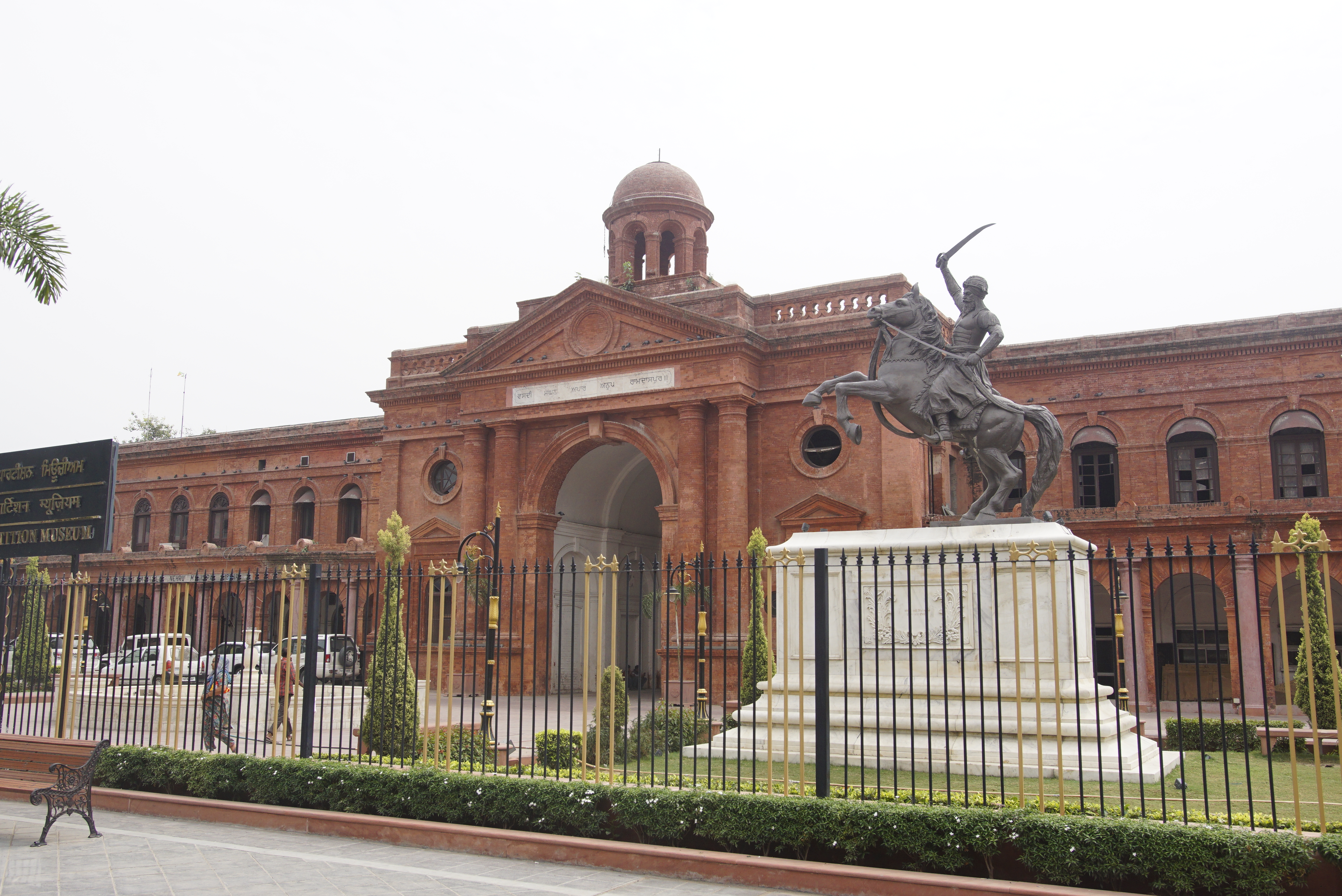
The world's first museum of the 1947 Partition tells survivors' stories, and many exhibits were donated by survivors and their families.
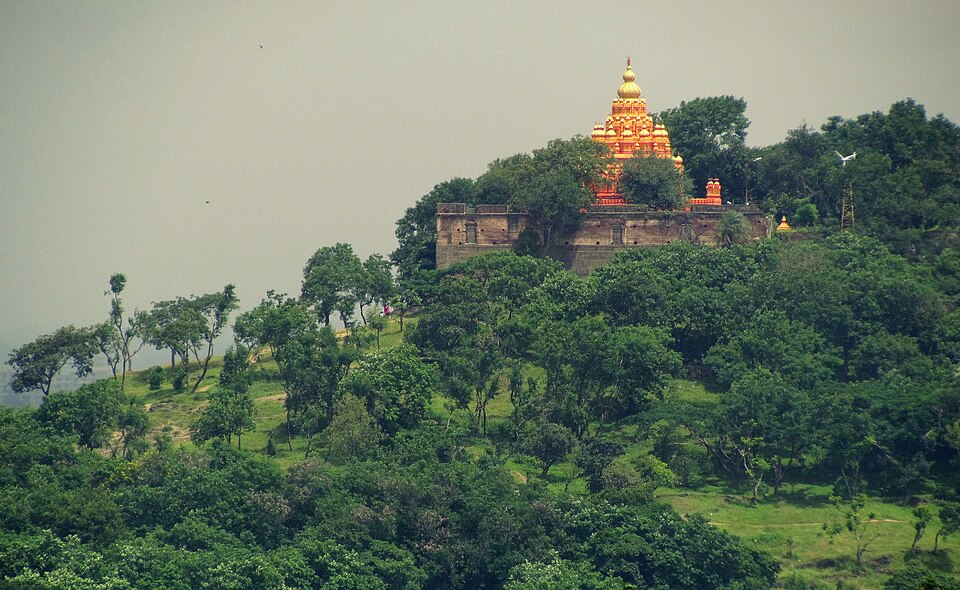
More than a hundred stone steps climb to a Peshwa-era temple complex, with sweeping views over Pune from the top.

Carved from a single basalt rock in the 8th century, and left unfinished: an elephant sculpture that was never completed.
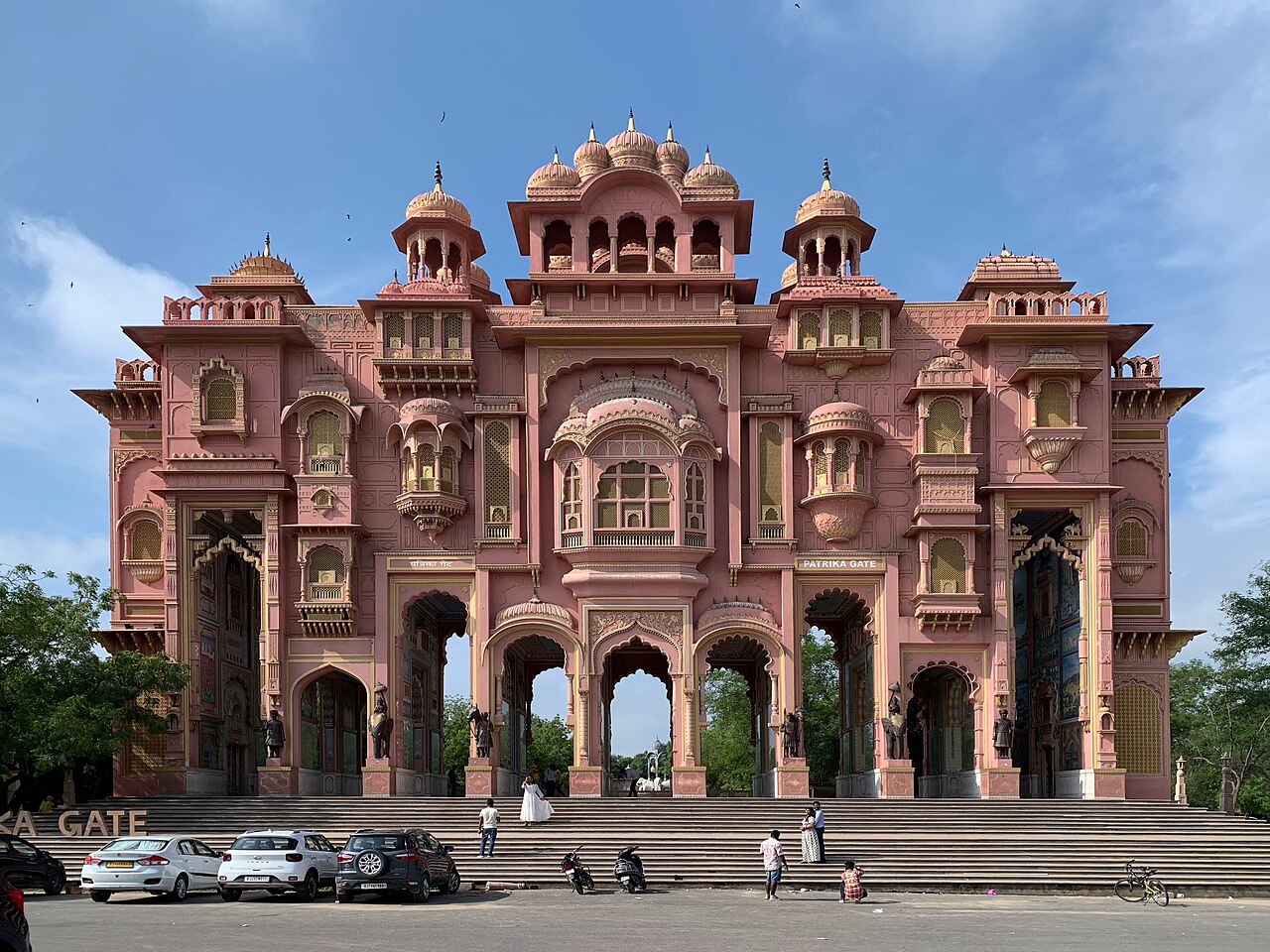
A gateway hand-painted with Rajasthani motifs, built to mark a newspaper group's centenary.

Every Chalukya king was crowned here, in a town whose name means town of the coronation stone.

Mahavira attained Nirvana here, making it one of the four most important Jain pilgrimage sites in India.

One of Mumbai's oldest religious structures, the Masjid Banai, stands in what was a major medieval settlement.

Believed to stand on Indraprastha, the legendary capital of the Pandavas. Humayun died here in 1556 after falling down its stairs.

Sambhaji, Shivaji's son, was born here, and here in 1665 Shivaji signed a treaty ceding forts to the Mughals.
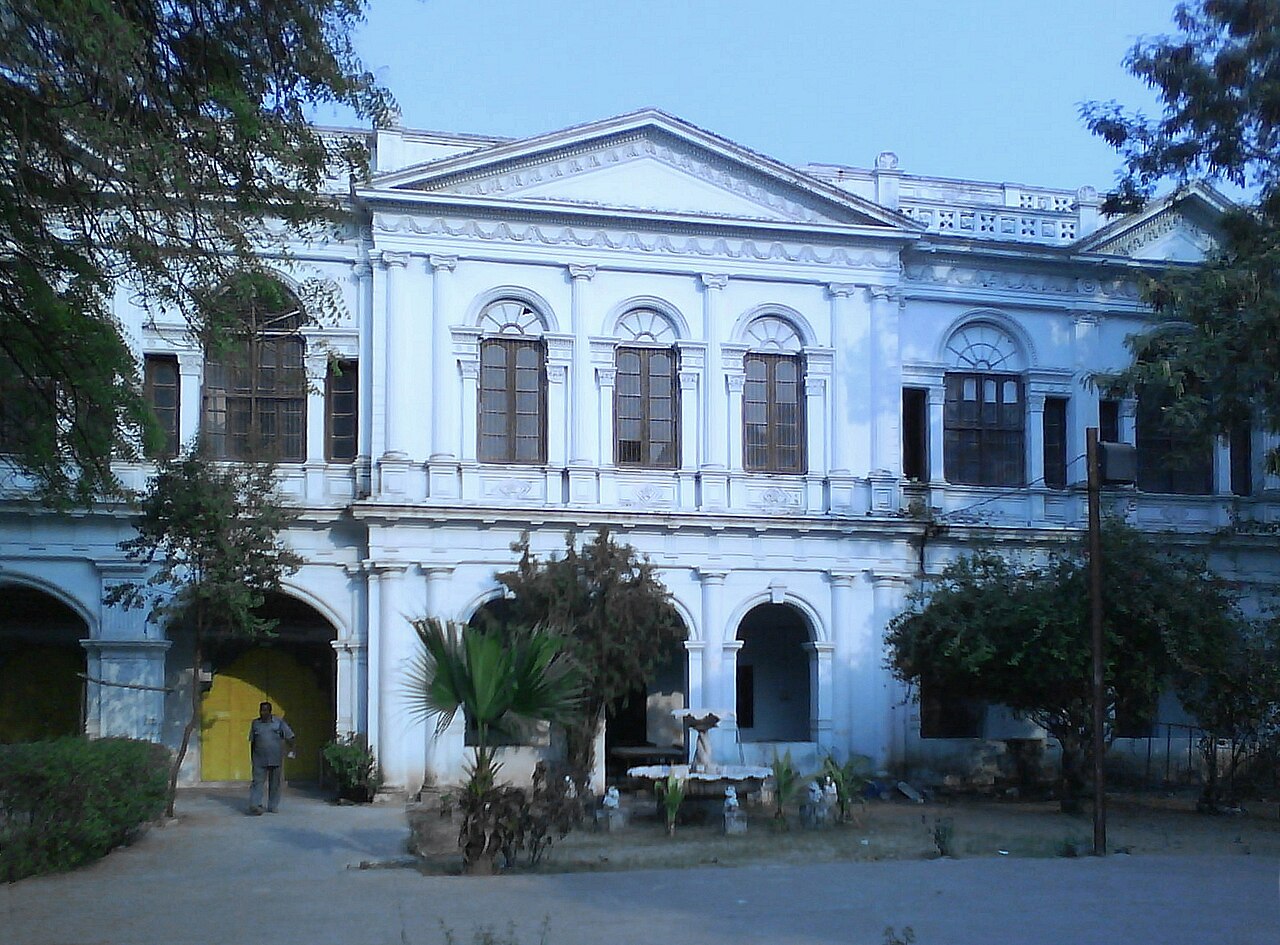
Gifts presented to the last Nizam for his 1936 Silver Jubilee are kept here, including a gold and diamond wardrobe.

Fifty-two ghats surround the lake, one of the five most sacred pilgrimage places for Hindus.

Seven sultans rest here in domed tombs once clad in blue-green glazed tiles, a rare intact dynastic necropolis.

Struck by lightning and rebuilt more than once, it has risen since 1192 to mark the start of Muslim rule in Delhi.

On the banks of the Yamuna, a nation said goodbye. Gandhi's last words, Hey Ram, are carved into black marble beside an eternal flame.

A father collected some 20,000 everyday objects, from lamps to nutcrackers, in memory of his son Raja, who died young.

A banker named it for his mother. Built to echo Big Ben, its stone figures show people of different communities in their regional dress.

Where Shivaji first raised the flag of Swarajya, self-rule, and where he ruled from for over 25 years before moving to Raigad.

Eleven oil lamps here are kept burning eternally, fed by the ghee that devotees continue to give.
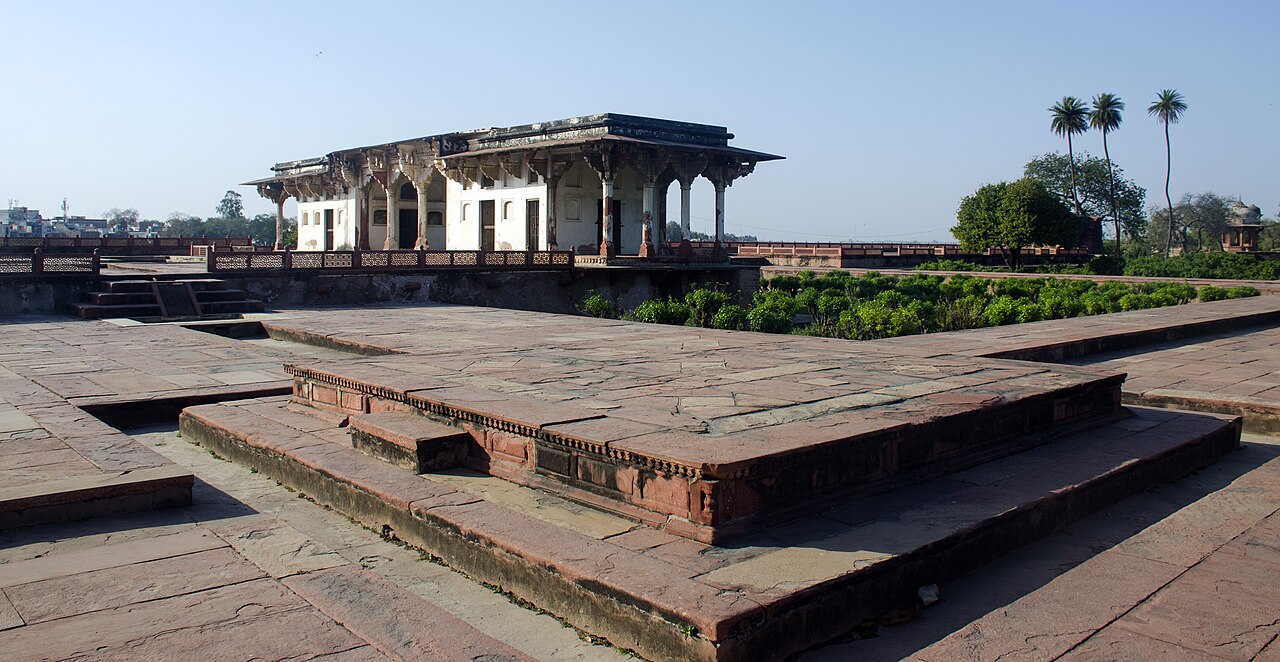
Believed to be the first Mughal garden in India, laid out by Babur, and briefly his resting place before his tomb was moved to Kabul.
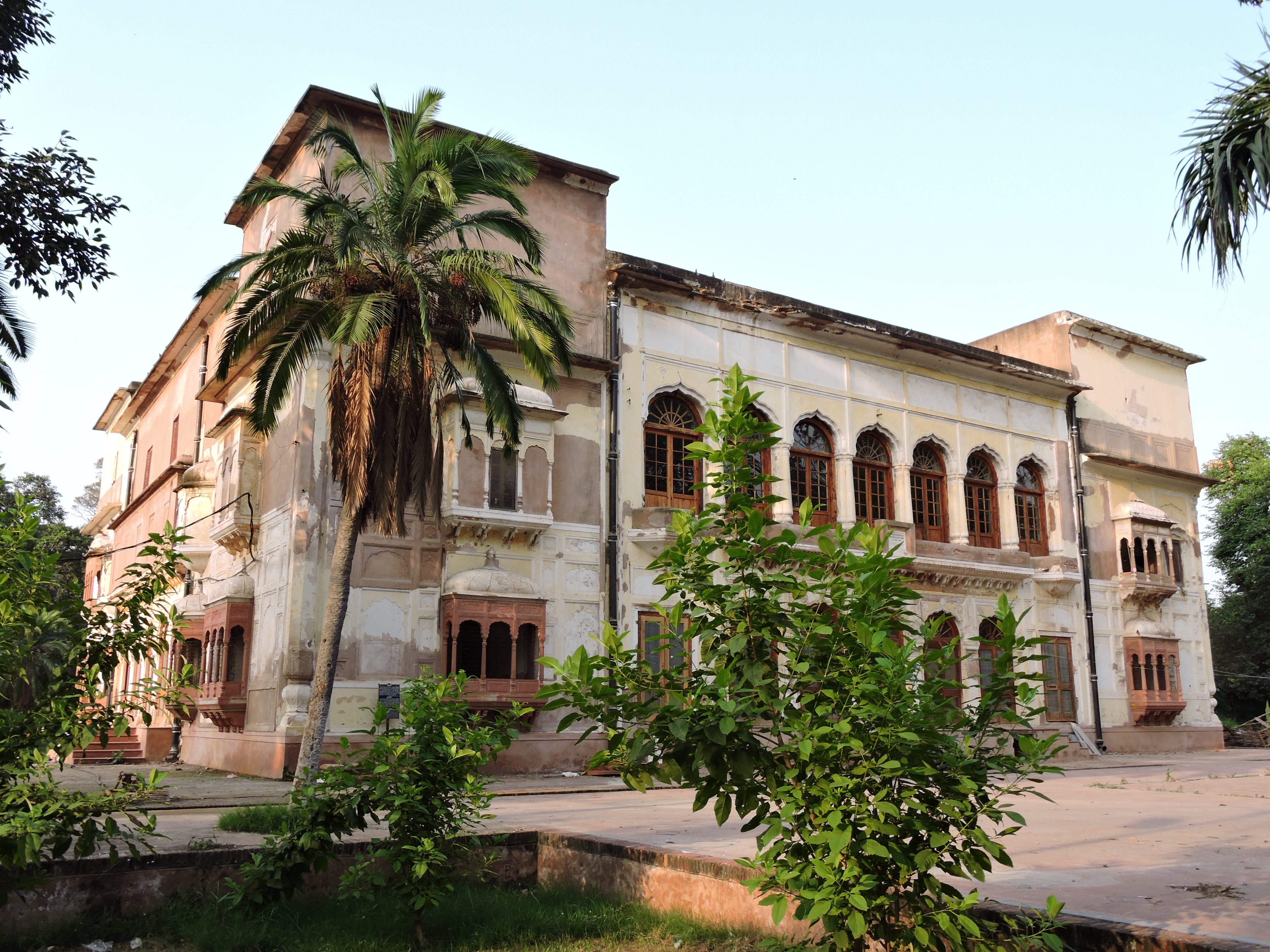
Maharaja Ranjit Singh laid out this Mughal-style garden in 1818 and named it for Guru Ram Das, founder of Amritsar.
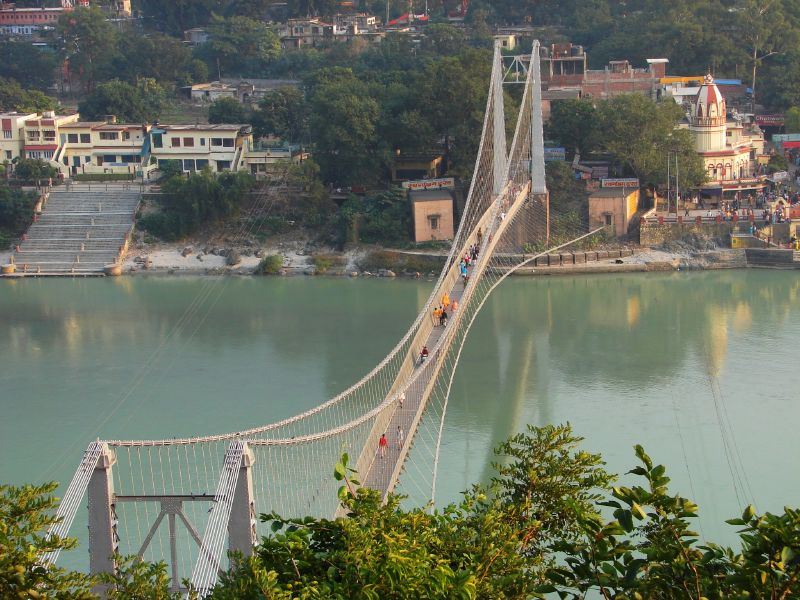
Two-wheelers were barred in 2023 after cracks were found in its foundation, so today it is crossed on foot.
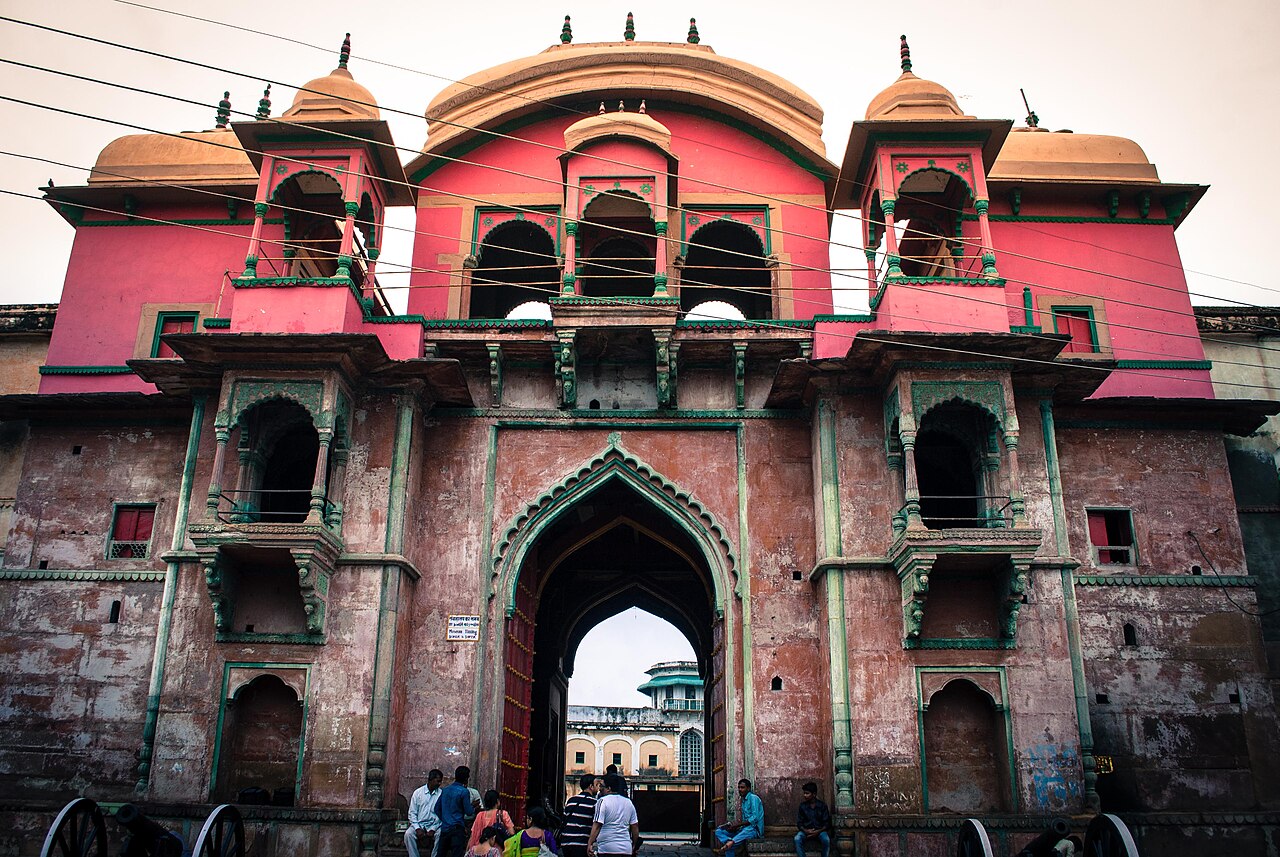
Still owned by the royal family, this 18th-century fort on the Ganges holds a museum of vintage cars and royal artefacts.

Legend places Rani Padmini here, and her sacrifice during Alauddin Khilji's siege is central to the story of the fort.

A pavilion on a high ridge over the Narmada Valley, built for Rani Roopmati, whose love for Sultan Baz Bahadur lives on in literature and music.

A queen built this stepwell seven levels deep in memory of her husband. Silt buried it for centuries, and when it was excavated in the 1980s, over 500 sculptures were waiting.

A 10th-century fort inside a tiger reserve, looking out over the Chambal river.
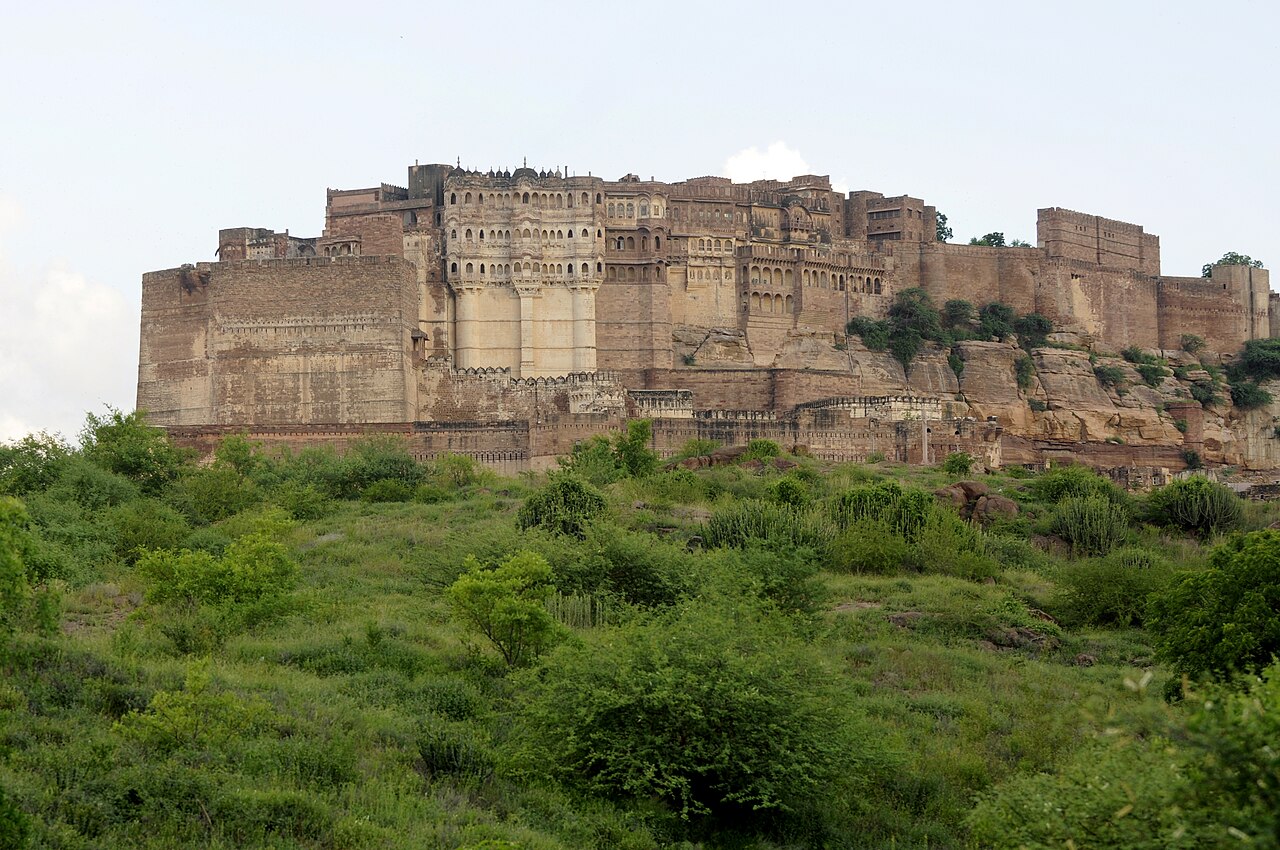
Seventy hectares of volcanic rock over 700 million years old are being brought back to native Thar desert plants.
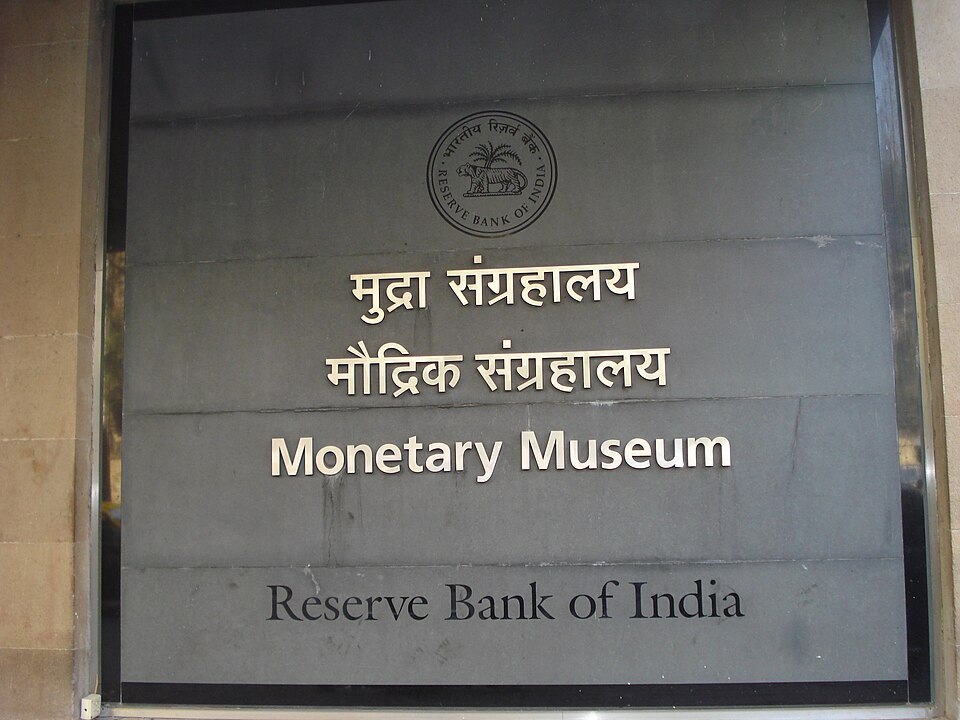
Coins more than 2,500 years old sit beside the very first coin India issued after independence.

Every 15 August, India's Prime Minister raises the flag from Lahori Gate here, at the old seat of Mughal power.

A fort that became a British-era prison, then reopened in 2012 as a cultural centre after a major restoration.

A little-known ruin from the days when Bombay was seven islands split by tidal creeks. Very little remains, and even its history is thinly recorded.

Over 750 rock shelters hold paintings of hunters and dancers, some more than 10,000 years old. Local legend says the Pandava Bhima rested here.

A 54-foot gateway built in 1784 by the same nawab, drawing on the Ottoman architecture he admired.
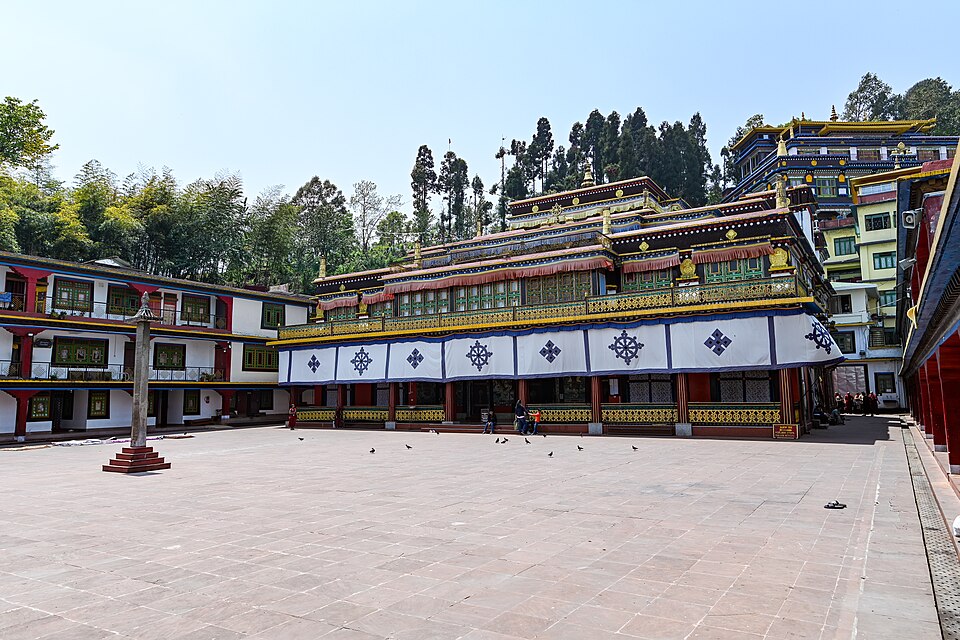
The 16th Karmapa fled Tibet in 1959 and arrived to find this monastery in ruins. He rebuilt it as his seat in exile.

A son built it for his father between 1754 and 1774, and it has been called the last flicker of Mughal architecture.
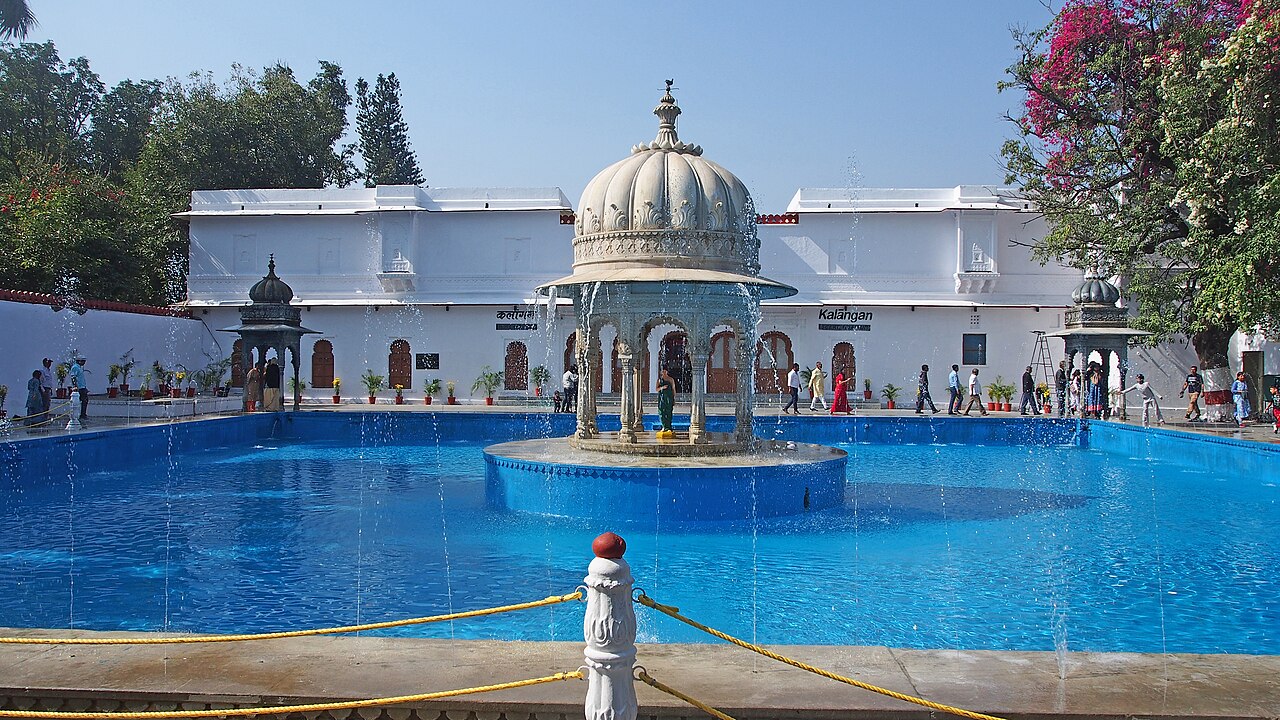
A garden made for a queen and her maidens, whose fountains still run without pumps.

One man, Nawab Mir Yousuf Ali Khan, gathered roughly 1.1 million objects over 35 years, one of the largest single-person art collections in the world.

A fort of yellow sandstone gave Jaisalmer its name, the Golden City, and beyond it lie the dunes of Sam.

Built over the tomb of St Thomas the Apostle, who by Christian tradition came to India in 52 CE, it is one of only three churches in the world above an apostle's tomb.

Abandoned and forgotten for centuries, then rediscovered in 1818: Ashoka's Great Stupa, guarded by gateways carved with scenes from the Buddha's life.
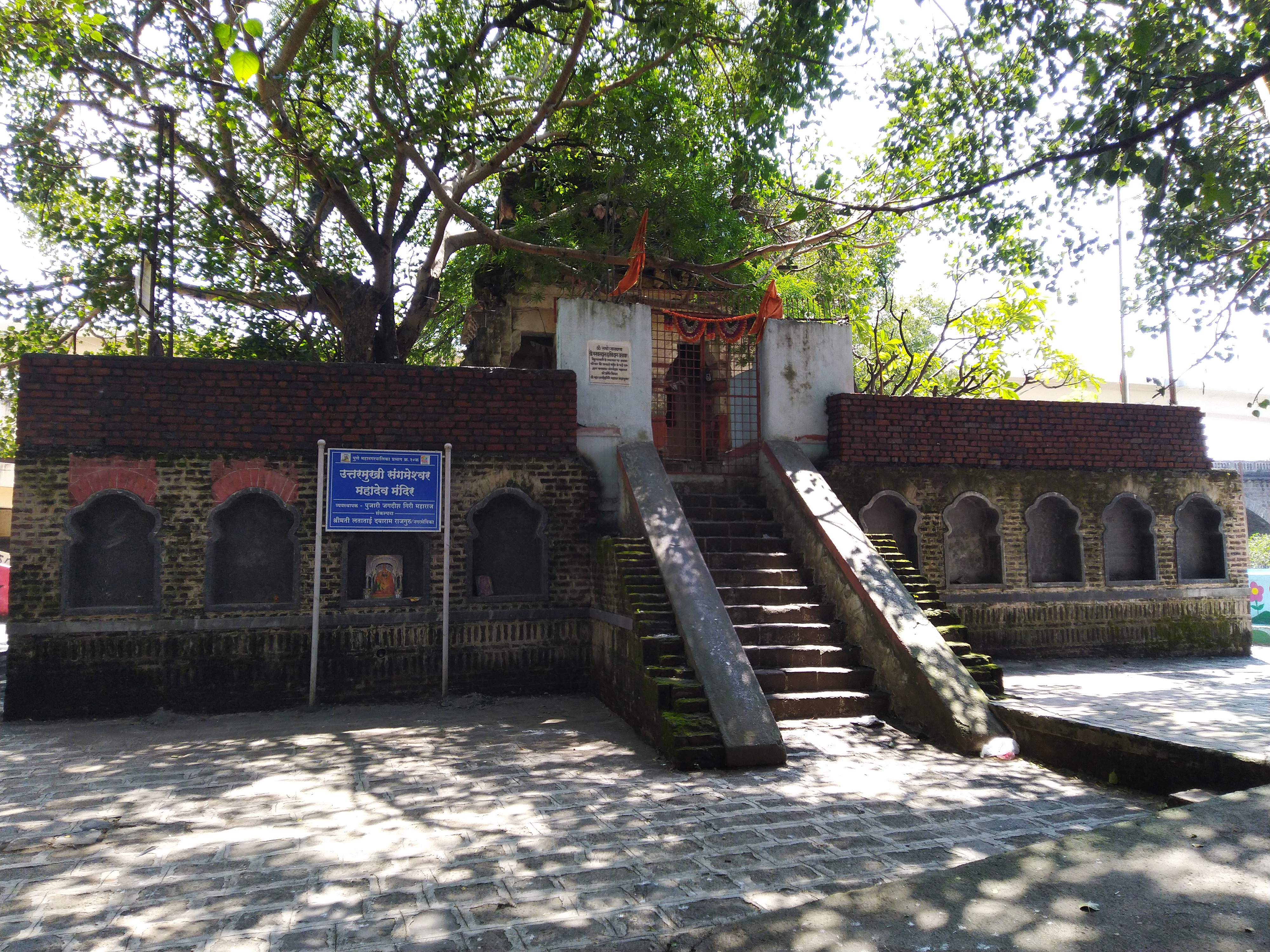
A small black basalt Shiva temple stands where the Karha and Chambli rivers meet near Saswad, built in the Yadava-era Hemadpanti style.
Rebuilt in the late 19th century after the Portuguese original deteriorated, its Neo-Gothic look is unique in Kerala.

Tagore founded it in 1901 as a school among the trees, and classes are still held outdoors.

Built to commemorate a Portuguese victory in 1510, the largest church in Asia holds a Golden Bell renowned as one of the world's largest.

The building widely credited with launching the Indo-Saracenic style across India.

Every winter, thousands of migratory flamingos arrive on the mudflats beneath these crumbling ramparts.

The seat of the Peshwas for over 130 years burned in 1828, leaving only stone gates and foundations, one gate still studded with spikes meant to stop war elephants.
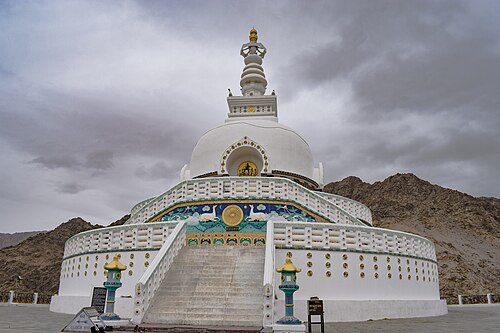
Japanese Buddhists and local Ladakhis built it together in 1991 to mark 2,500 years of Buddhism, and it looks out over Leh.
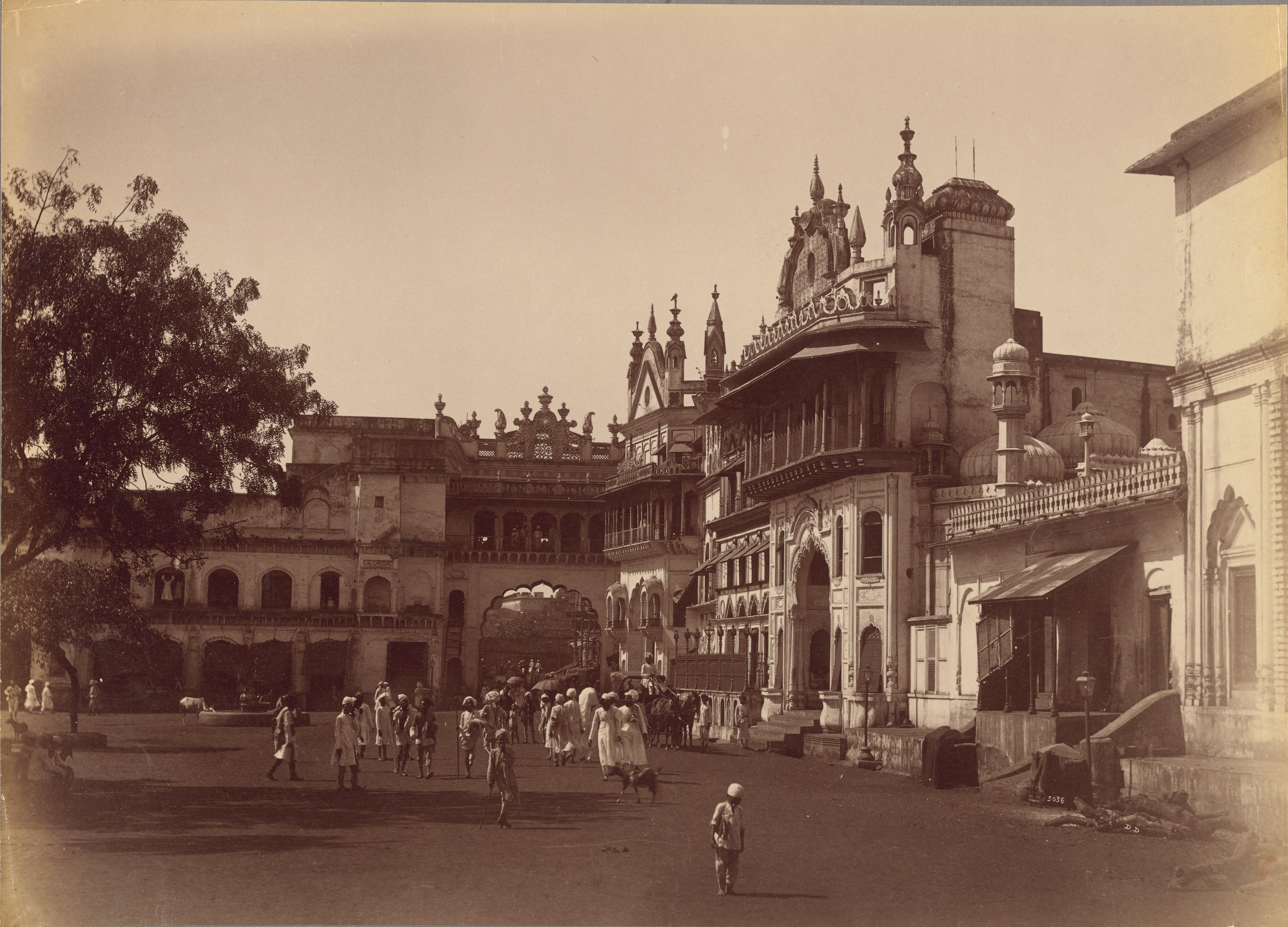
Built as a wedding gift for Sikandar Jehan Begum, one of Bhopal's four women rulers in succession, with Gothic arches borrowed from Europe.

Shivaji was born here in 1630, and a small temple to the goddess Shivai, whom he was named after, still stands.

Its twin spires, one for Shiva and one for Vishnu, have faced the Bay of Bengal's sea winds for over 1,300 years.
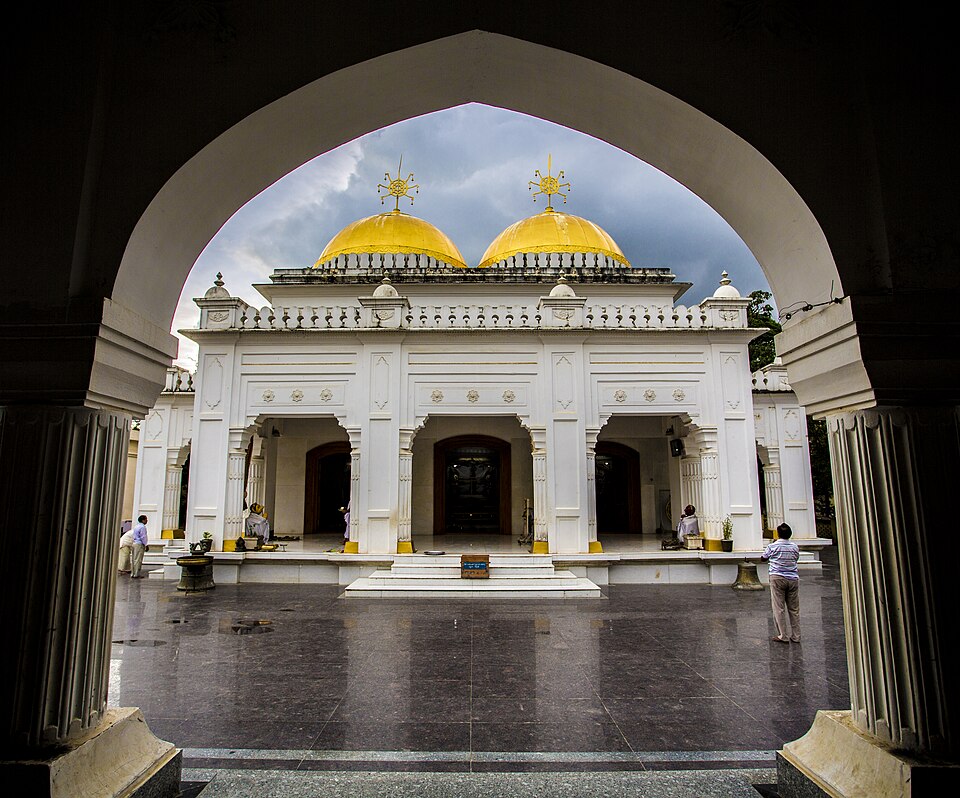
The temple where Manipuri Ras Leela dance traces its devotional roots, rebuilt after two earthquakes.
On Sundays the goddess is carried out in procession in a palakhi, a ritual tradition of this temple, which dates back to 1413.
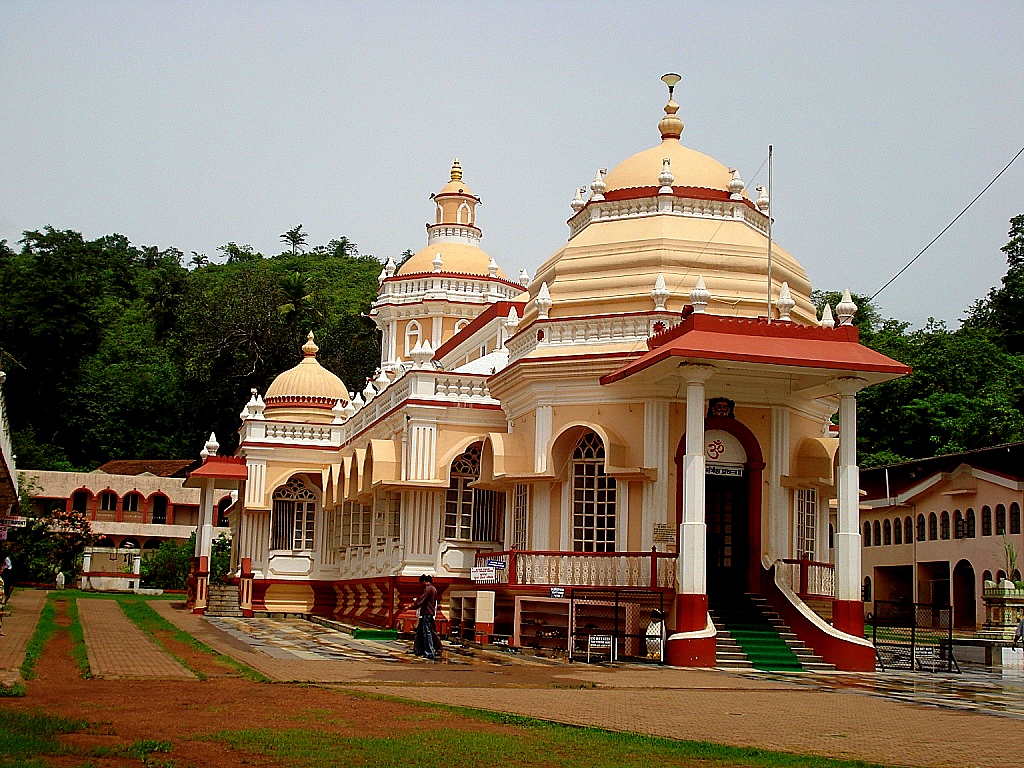
Its idol was secretly moved overnight to escape forced conversion campaigns, and today a seven-story lamp tower marks the temple.
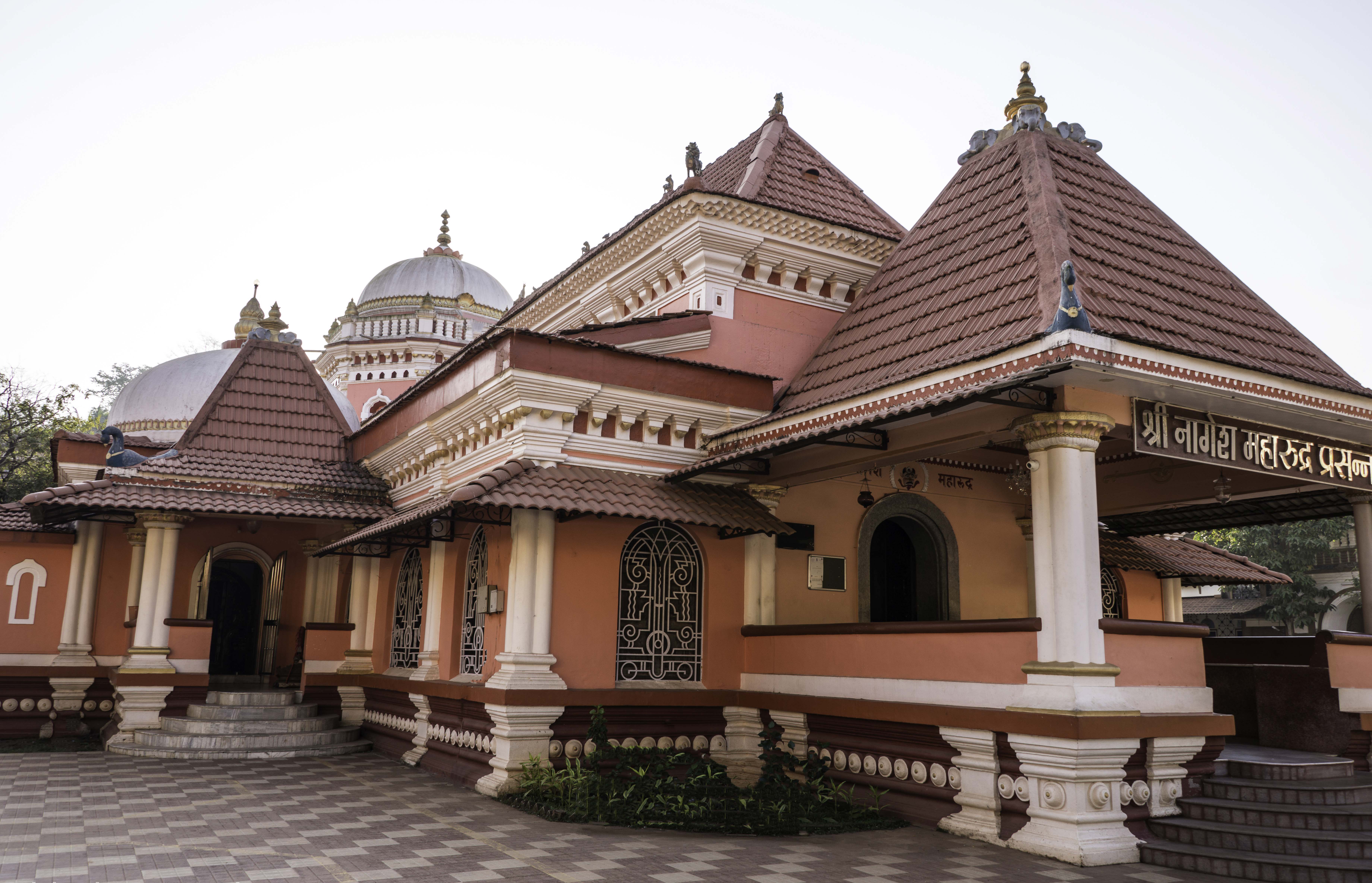
A self-manifested shrine of Shiva, believed over a thousand years old, with a water tank that reflects the idol and the lamps.
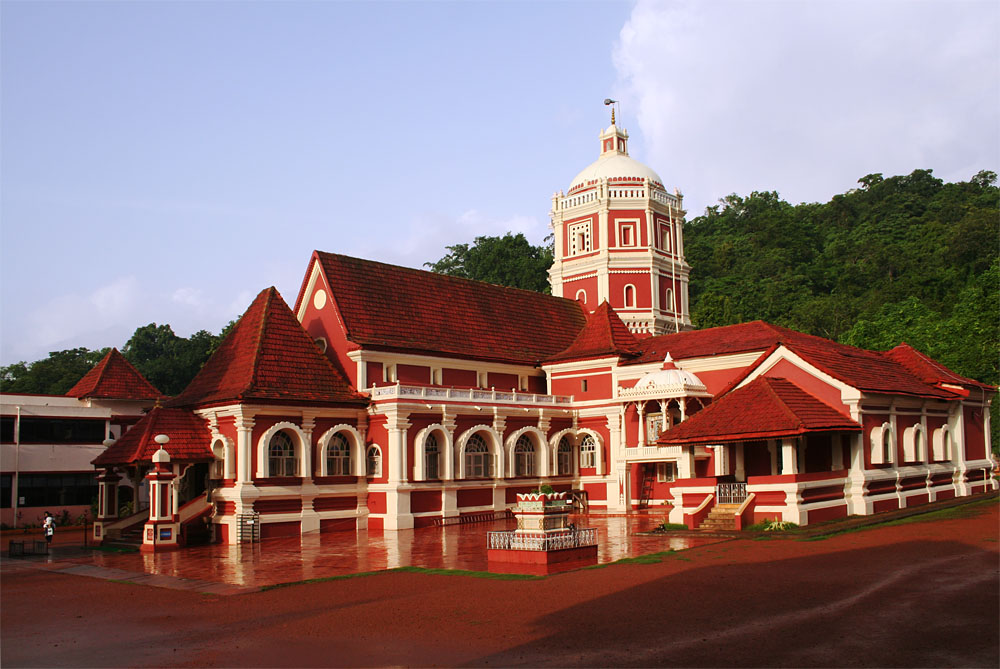
Its deity was smuggled out to escape religious persecution in the 16th century, and the temple was rebuilt with land granted by Peshwa Baji Rao I.
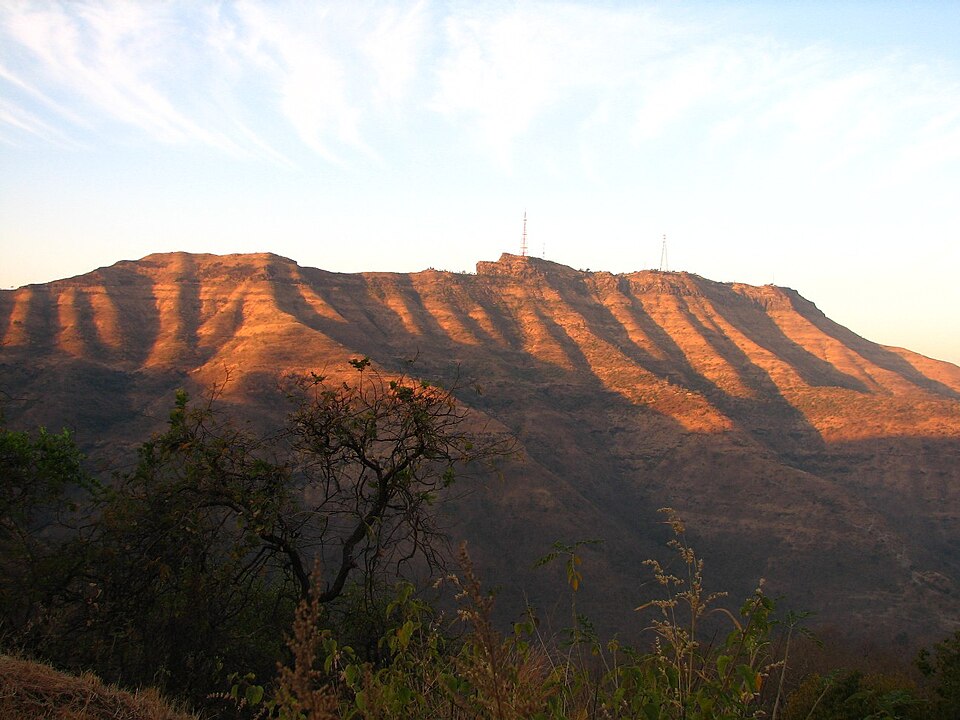
Its name means Lion's Fort, after the 1670 battle in which Tanaji Malusare died recapturing it.
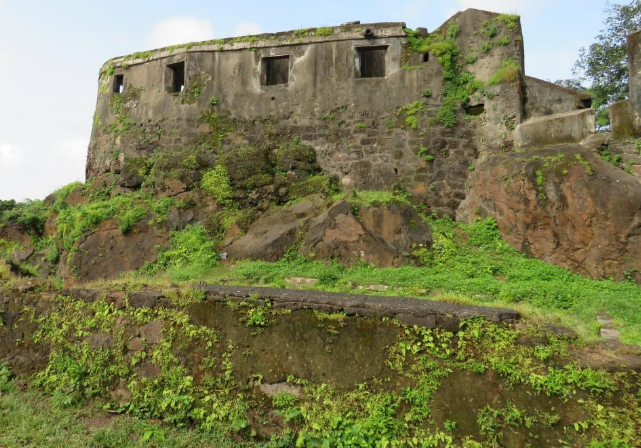
It once marked the border between British Bombay and Portuguese Salsette, and its ruins still look over the creek.

Built in tiers as a summer retreat, with pavilions, fountains and religious figures shown in colourful tiles.

A white-marble shrine under construction for over 120 years, carved by four generations of the same artisan families.
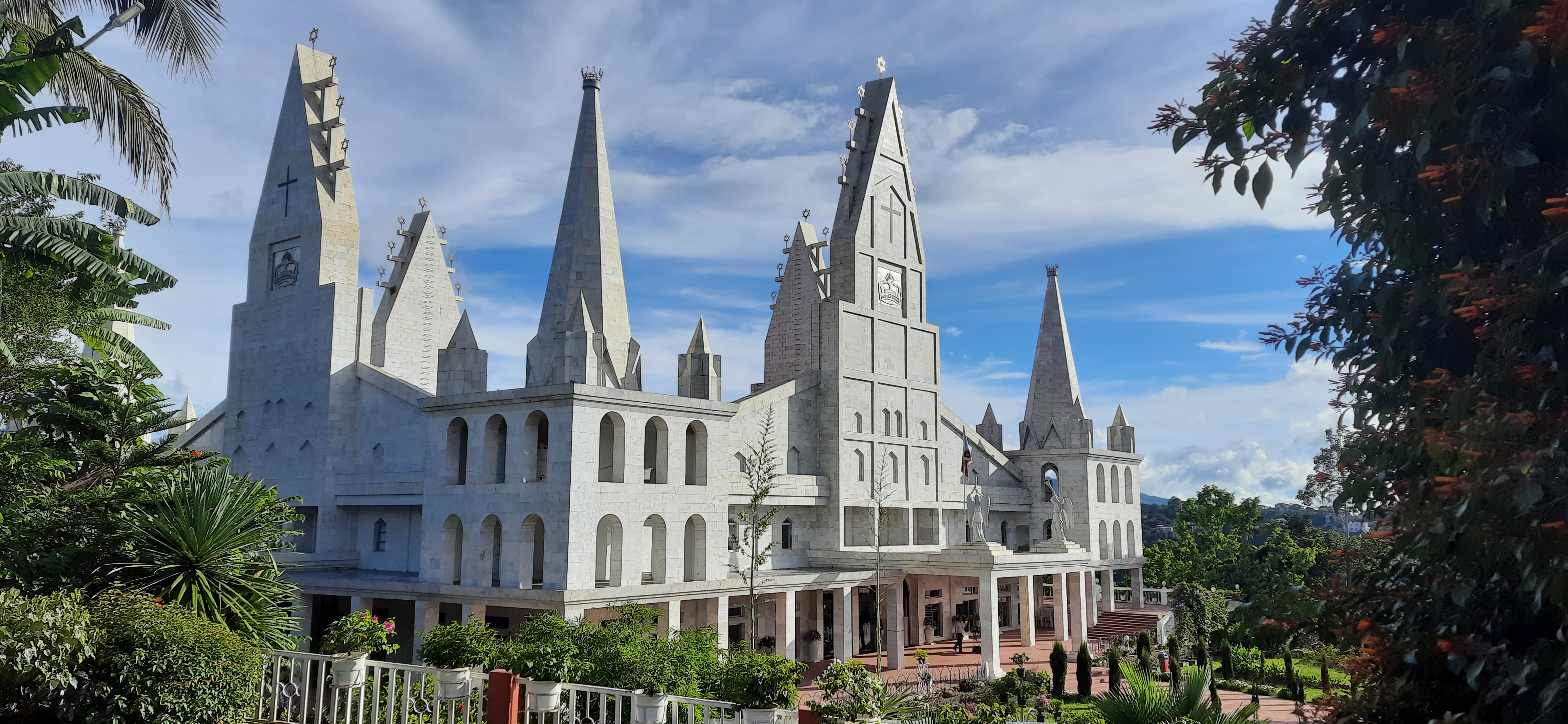
It began as a dream. Dr L.B. Sailo designed the temple after a vision in 1991, and it took from 1996 to 2017 to build.
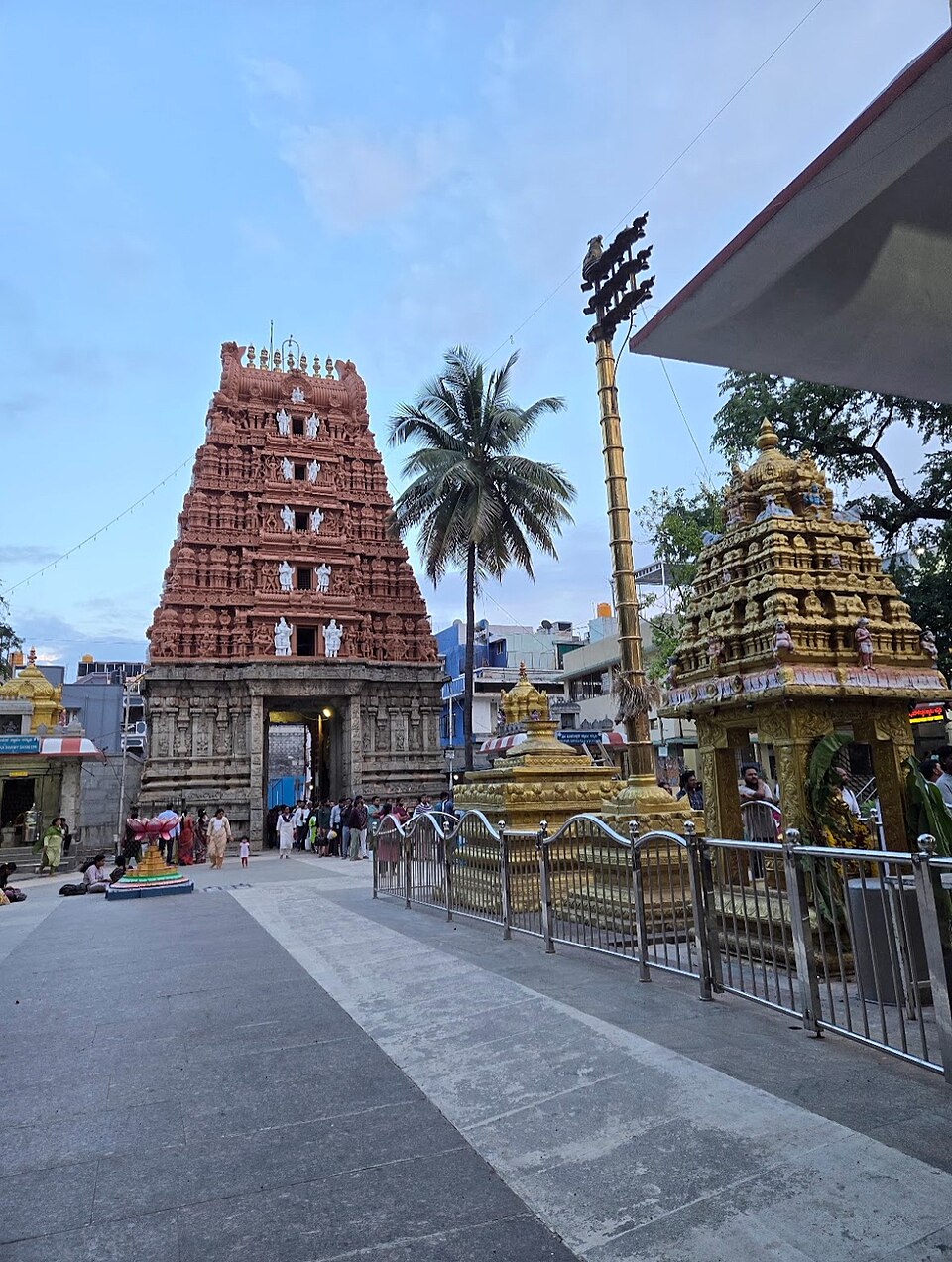
Older than the city itself, this Chola-era Shiva temple by Ulsoor Lake stood for centuries before Kempe Gowda founded Bengaluru.

Established in 1767, an open-air museum of colonial history, with the tombs of notable British and European figures.
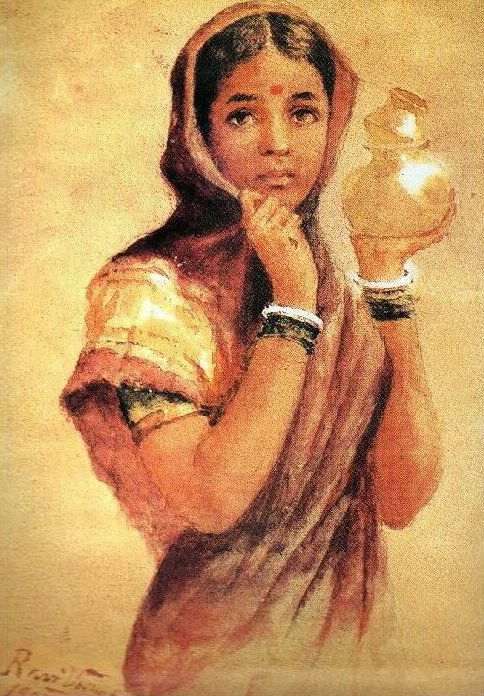
Raja Ravi Varma's original oil paintings hang here, the same artist whose prints shaped how millions picture the gods.

Built in 1821 for Chennai's Scottish community, in the Scottish baronial style.
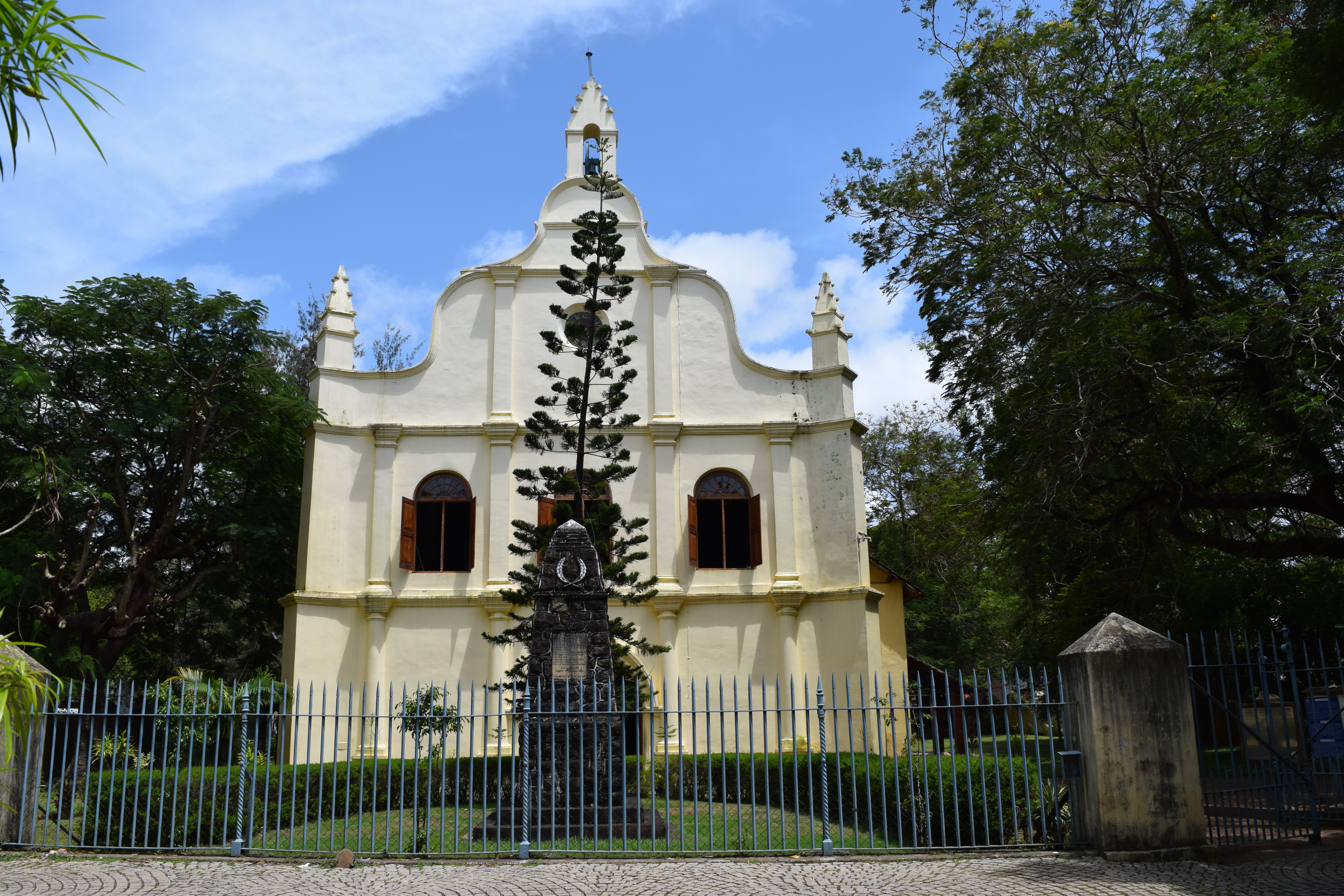
Vasco da Gama was first buried here in 1524, before his remains were moved to Portugal.

Modelled on London's St Paul's, it has hosted state functions and memorial services since colonial times.

Believed to be one of the oldest churches in India, with a history said to date to AD 427.

Each September its feast draws hundreds of thousands of pilgrims, whatever their faith.

Earthquakes damaged it in 1897 and again in 1934, and after the second, its tower and spire were rebuilt in a slightly different design.

Consecrated on Christmas Day 1718 after an earlier attempt failed, when the empty plot was mocked as Spratt's Folly.

Sujata offered the Buddha rice milk before his enlightenment, and this stupa remembers her act of compassion.

A stone chariot for the sun god, on 24 carved wheels that double as sundials.

After his wife Kadambari Devi died, Jyotirindranath Tagore built a house and a memorial on this hill and settled here in 1912.

Shah Jahan built it in memory of Mumtaz Mahal, who died giving birth to their fourteenth child. About 20,000 workers laboured for roughly 22 years.

Begun in the 1870s under Begum Shah Jahan of Bhopal, it was not completed until the 1980s, and it is now among the largest mosques in the world.

Underground springs flow year-round through this Shiva cave temple, and pilgrims believe the water heals.

Built in the 14th century by Rana Kumbha, this hillfort looks out over Ajmer and the Pushkar valley.

Twelve doorways let breezes cross through this Qutb Shahi pavilion, now a place for cultural performance.
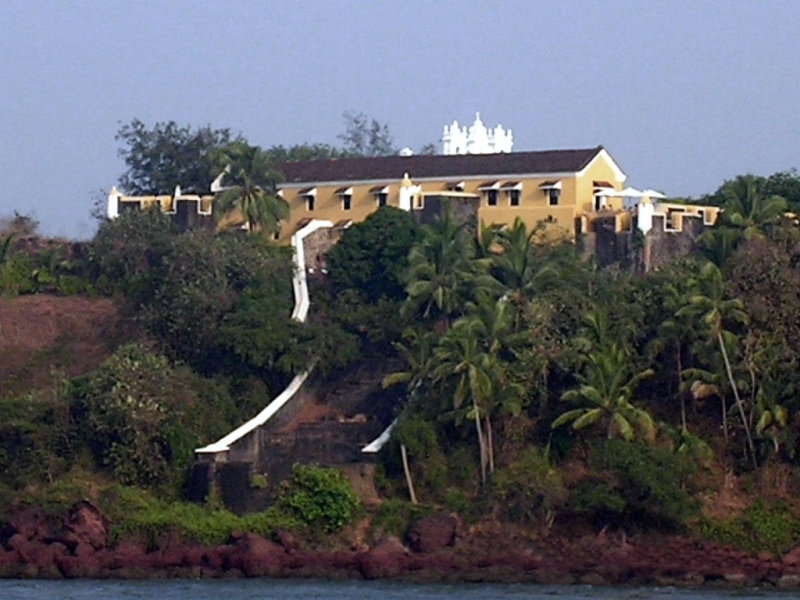
The fort saw four major battles, and now you reach it by a free ferry from Kerim across the Terekhol River.

One of the earliest foreign monasteries at Bodh Gaya, with intricate gold decoration in Thai style.

Twelve storeys climb a hillside, with a 40-foot Buddha inside, and about 100 monks live here.

Tipu Sultan's teakwood retreat, its pillars painted with flowers that blend Hindu and Islamic traditions.
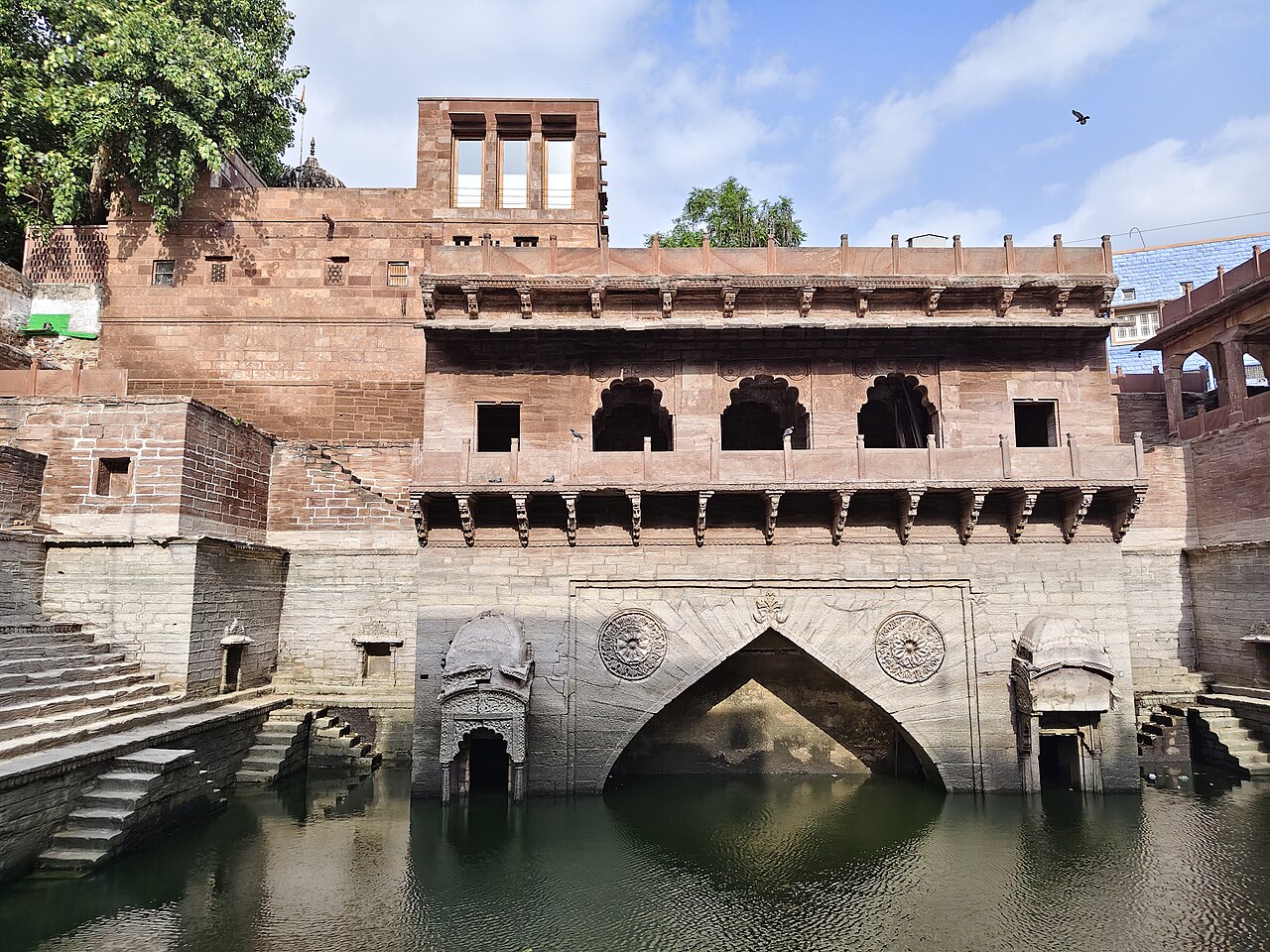
Buried under decades of debris, this 18th-century stepwell was restored and reopened as a public gathering place.

The first fort a teenage Shivaji captured, in 1646, marking the symbolic beginning of the Maratha Empire.

Warli paintings, tools and musical instruments tell the story of the Warli, Gond and Bhil communities of Maharashtra.
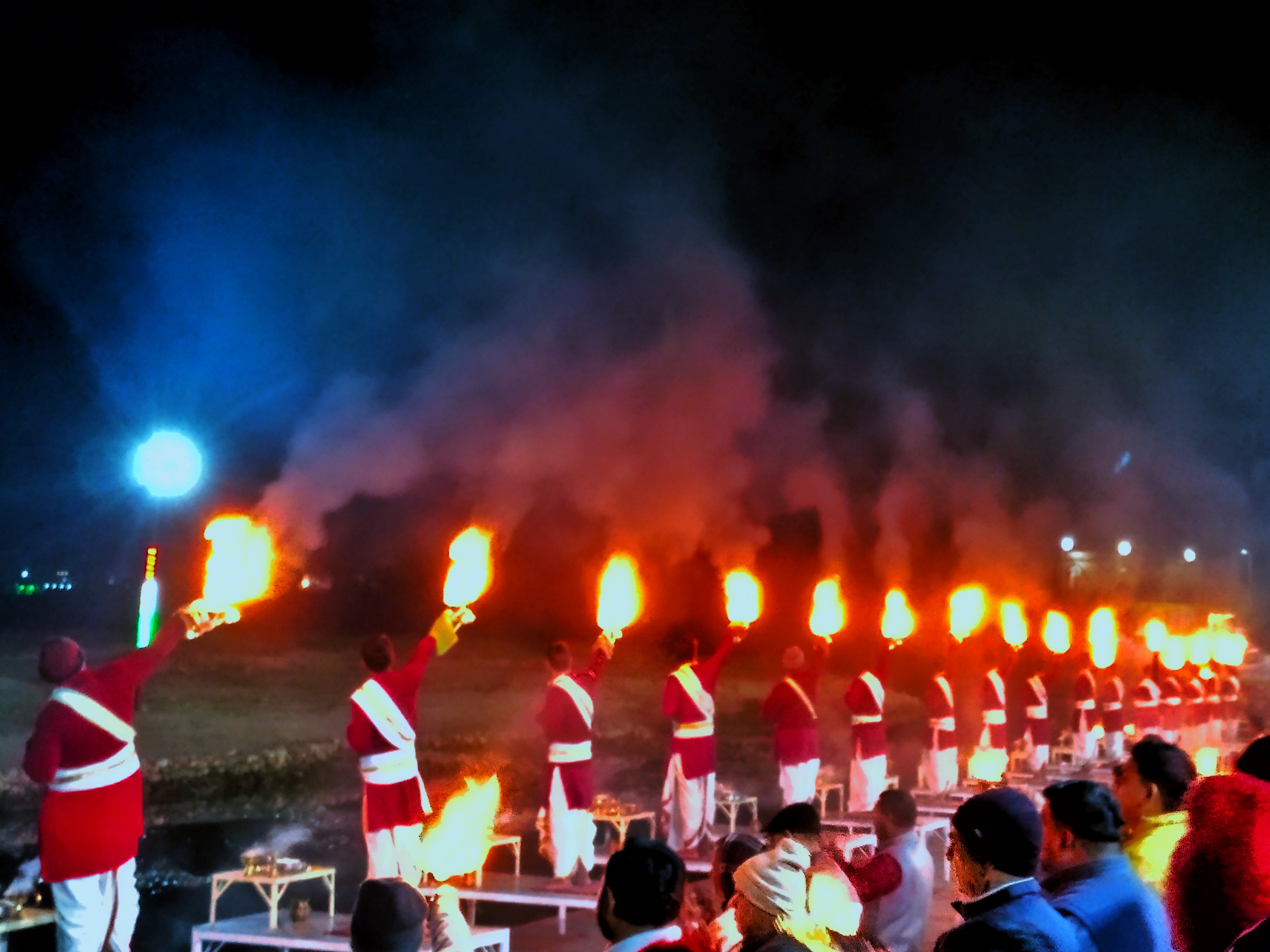
By belief, three sacred rivers, the Ganges, Yamuna and the mythical Saraswati, meet here, and the ghat is renowned for its nightly Ganga Aarti.
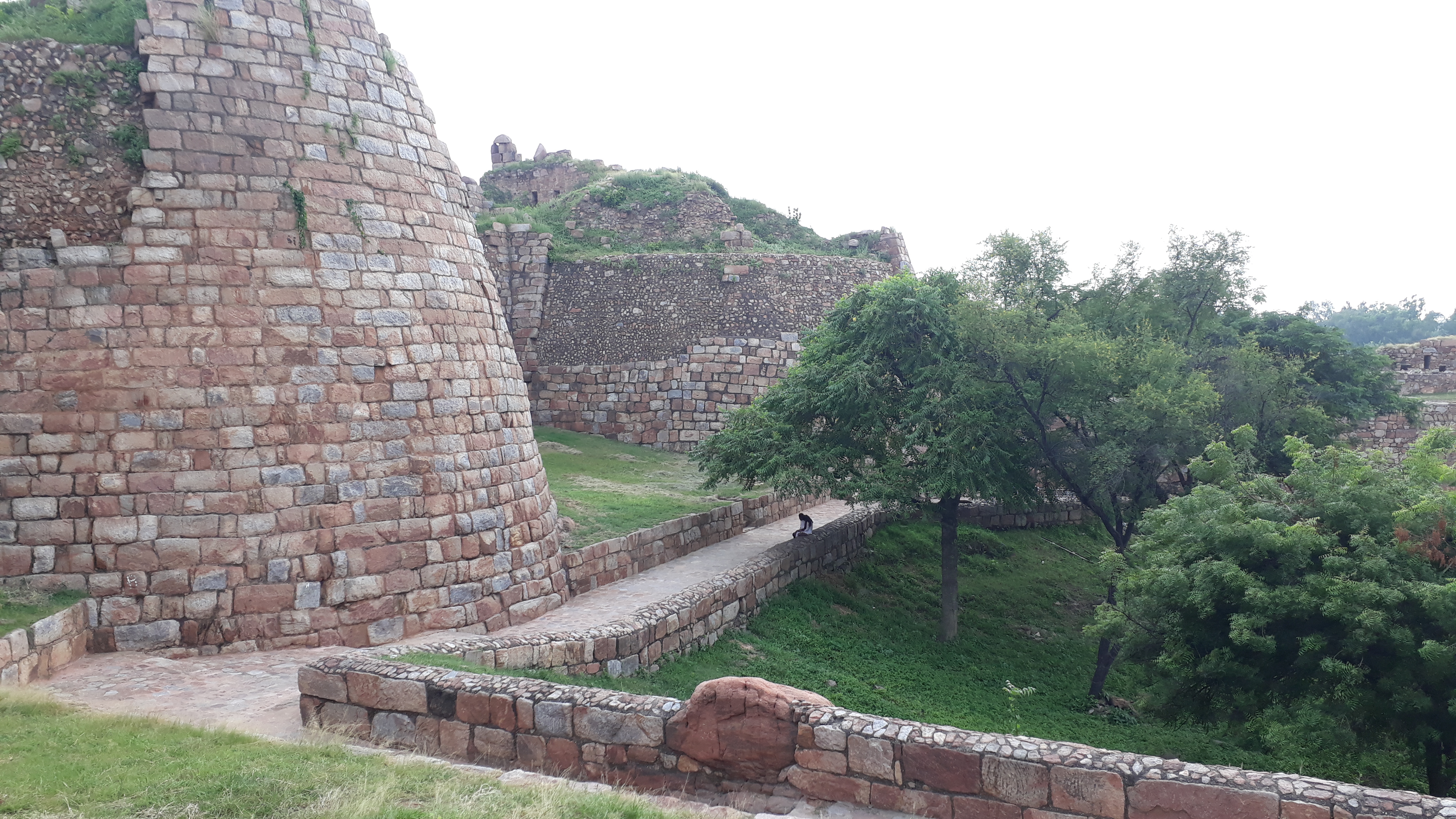
A city abandoned within years of completion. Legend blames a curse by the saint Nizamuddin Auliya, and water shortages are the other story.

Its walls are carved with the entire text of the Ramcharitmanas, at the spot traditionally linked to where Tulsidas composed it.

33 caves carved as Jain monastic retreats more than two thousand years ago, with inscriptions and early sculpture on their walls.

A royal residence for over 60 years, it became a museum when Tripura merged with India in 1949, keeping the collections of a family that ruled for over 500 years.
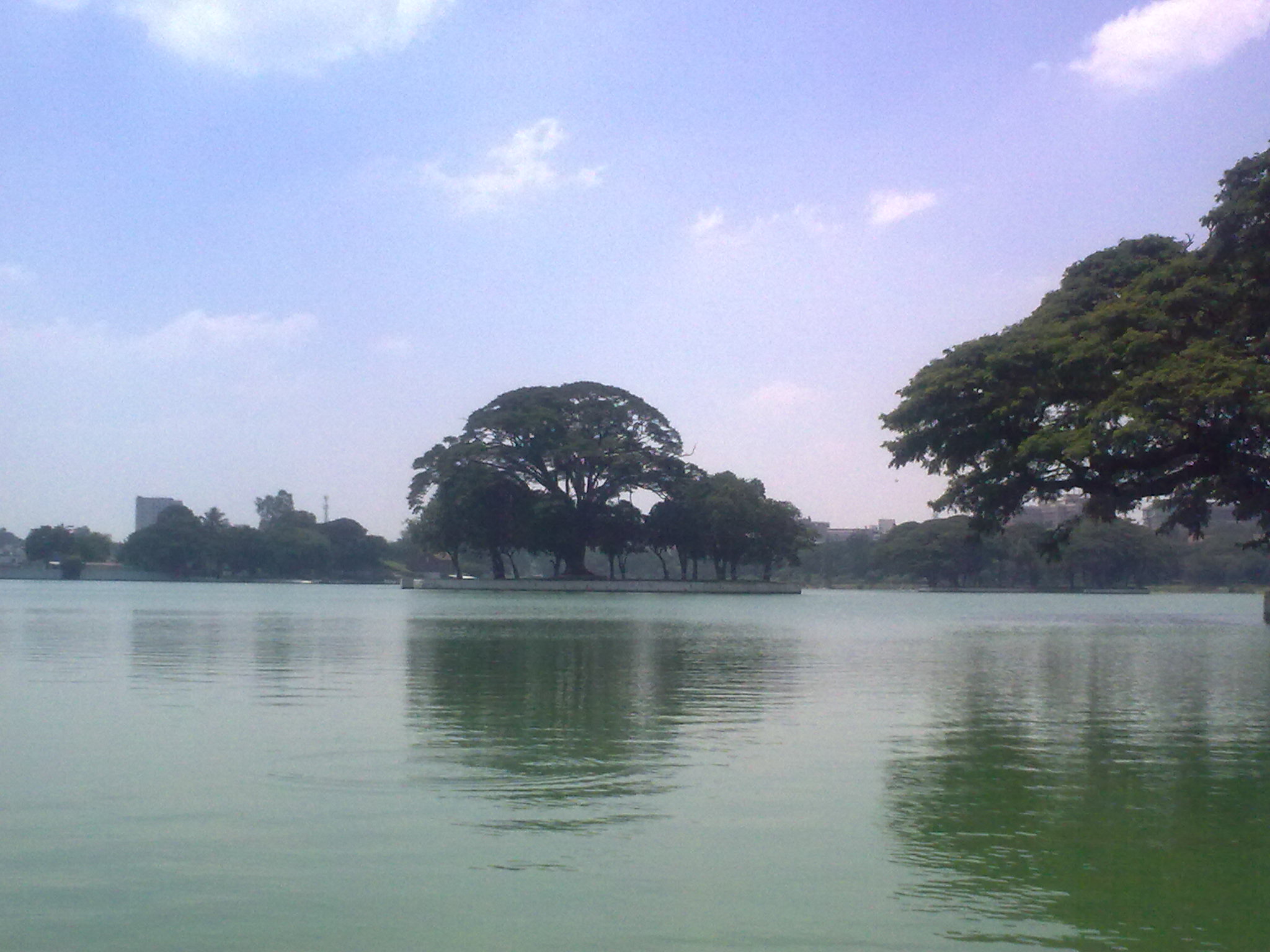
One of Bengaluru's oldest lakes, believed to date to Kempe Gowda in the 16th century, still made for boating and evening walks.
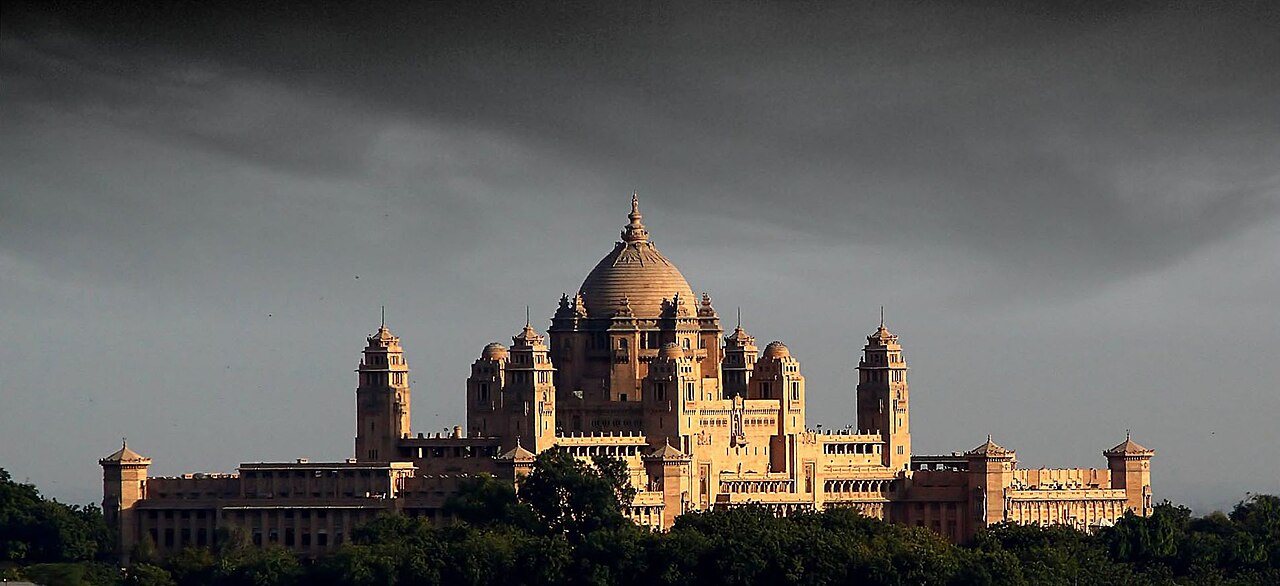
Commissioned as a famine-relief employment project, it is today part royal residence, part luxury hotel, part museum.
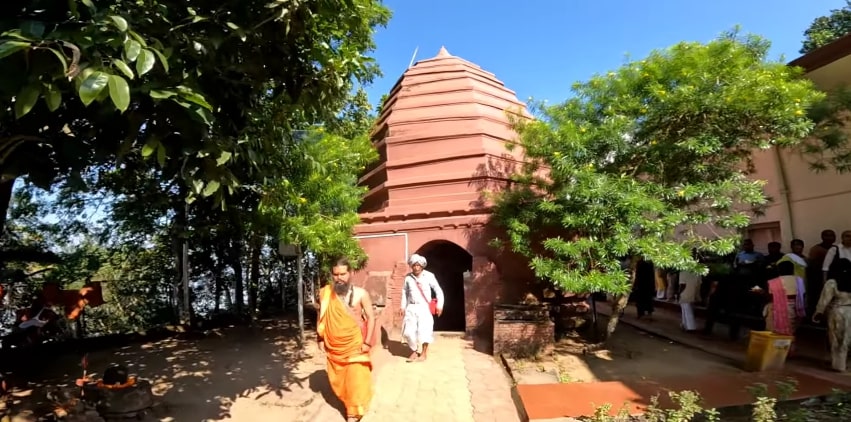
To reach this Shiva temple, you take a ferry across the Brahmaputra to Peacock Island.
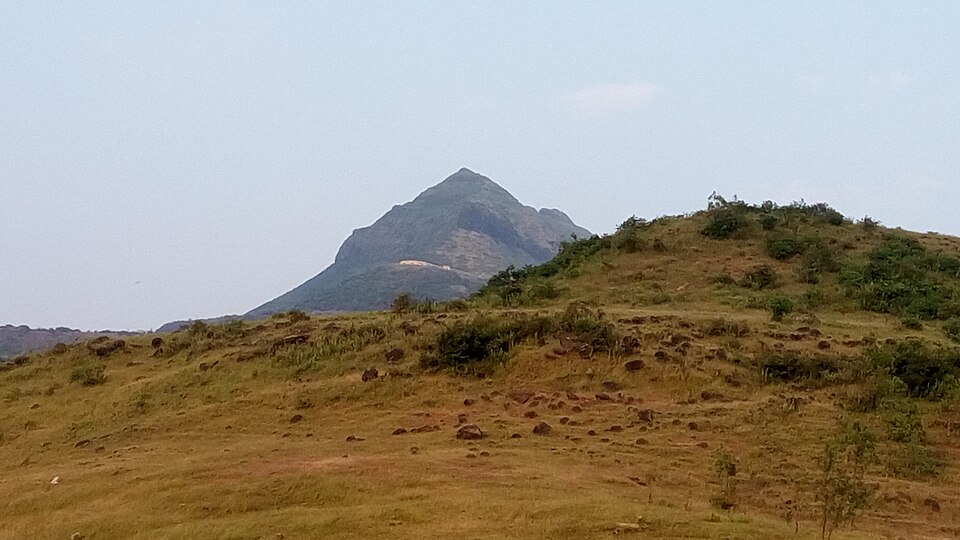
The Diamond Fort, built as a smaller stronghold to stand guard beside its larger neighbour, Purandar.
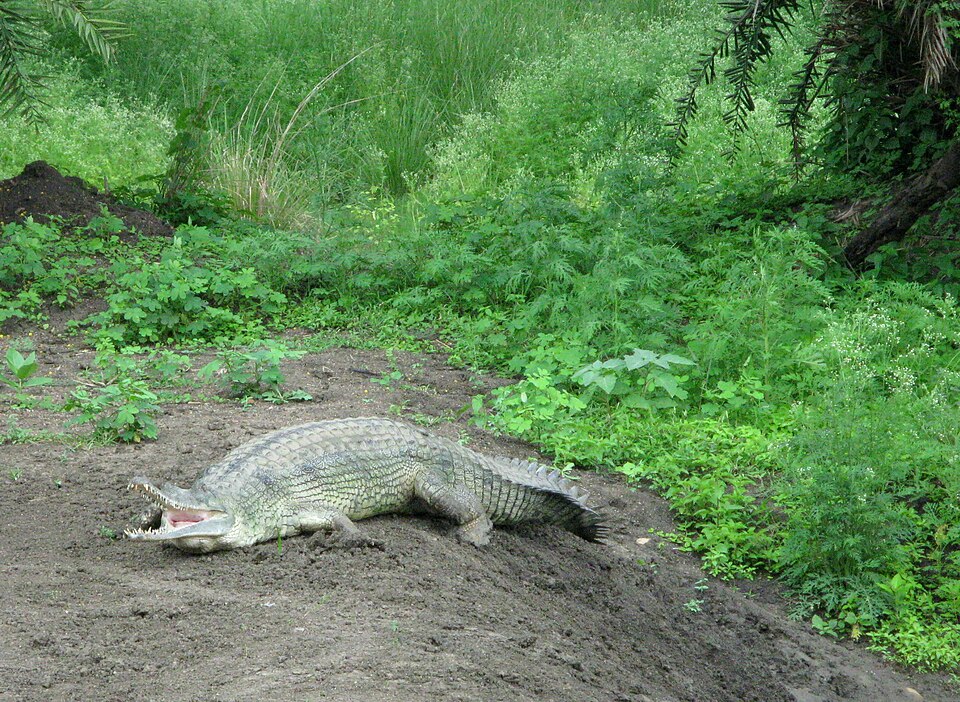
One of India's first zoos without cages, where animals roam natural enclosures separated from visitors by moats and natural barriers.

An ancient meditation cave traditionally linked to the sage Vashishta, with a natural Shiva lingam formation inside.

A court painter to the Mysore royal family is remembered here through his own paintings, sculptures and personal belongings.

In 1945 a conference here tried, and failed, to agree a framework for Indian independence.

Built entirely from Makrana marble, from the same Rajasthan quarry that supplied the Taj Mahal.

Two eras of Mumbai stand within walking distance: Gothic towers raised by the British, and Art Deco built as Indian architects embraced modernism.

Named for Vidyadhar, the chief architect of Jaipur, whose planned layout the garden reflects.

Rana Kumbha raised the Vijay Stambh in 1448 to mark a victory over the Malwa Sultanate, beside the far older Kirti Stambh.

Its name means rest. Bajirao II built it as a leisure home, with a wooden facade carved in intricate detail.

Named for an engineer-statesman whose birthday, 15 September, is celebrated as Engineers' Day, with a motion simulator and a robotics gallery inside.
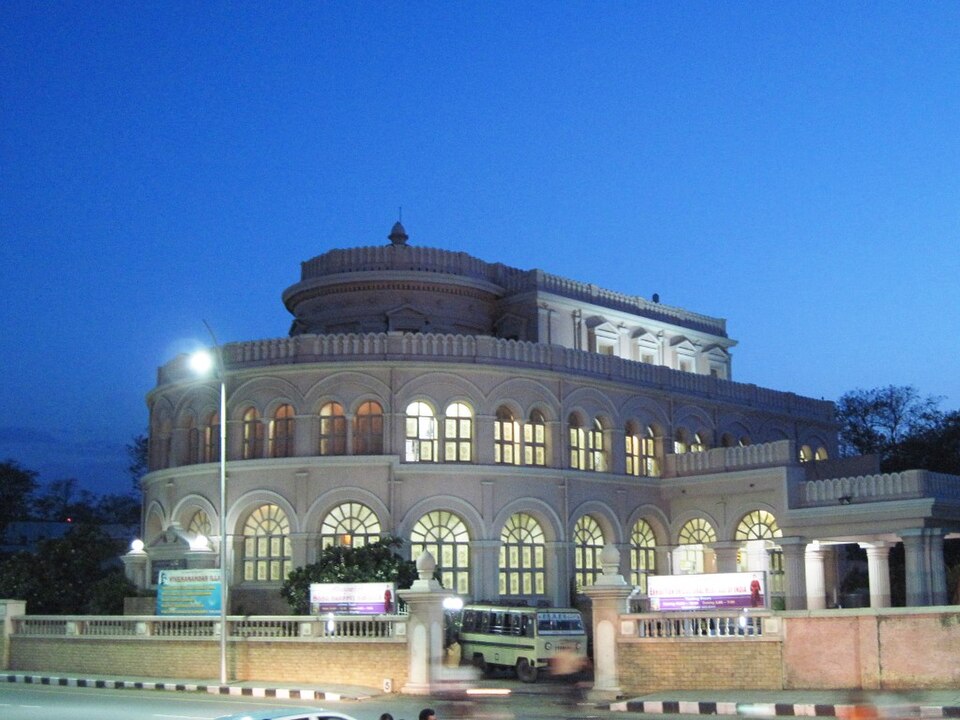
Built to store ice shipped from Boston, it later became the house where Swami Vivekananda stayed for nine days in 1897.
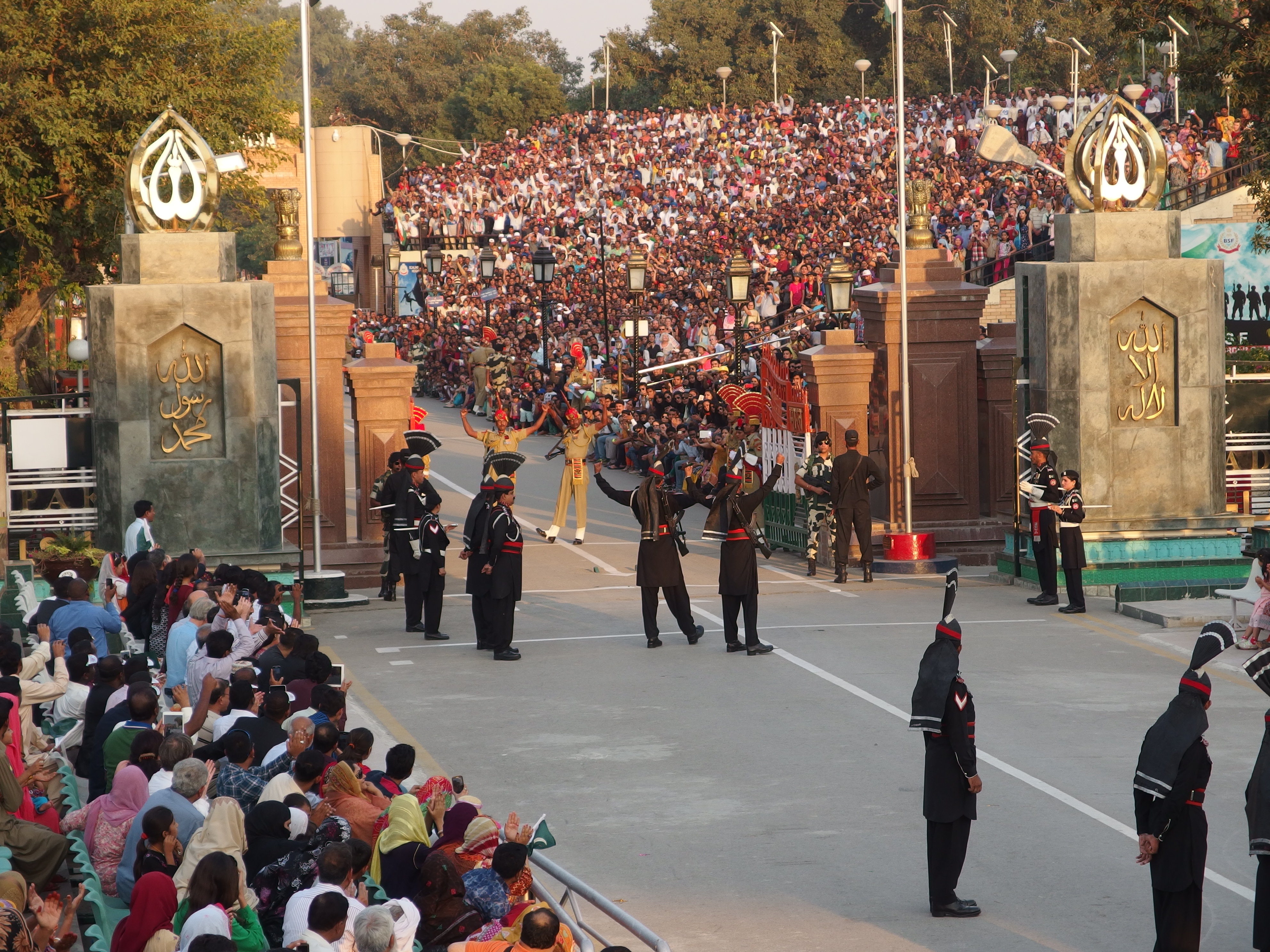
Each day, BSF and Pakistan Rangers lower their flags in a high-energy Beating Retreat ceremony.

Built by the British in the 1890s for recreation and named after the district commissioner, it is still a place for walks and boats.

One of a chain of watchtowers across Mumbai's seven original islands, now a quiet sunset spot for locals.

Xuanzang spent 10 years at Nalanda learning Sanskrit and studying Buddhist philosophy, before carrying Buddhist texts home to China.