
Loading…
Loading…

Every winter, thousands of migratory flamingos arrive on the mudflats beneath these crumbling ramparts.
A coastal fort built by the Portuguese in the 16th century and later strengthened by the British to defend the approach to Bombay Harbour from the Arabian Sea. Its crumbling ramparts sit dramatically close to the water at Sewri, overlooking mudflats that attract migratory flamingos each winter. The fort offers one of the best vantage points in Mumbai for flamingo watching between November and March. It remains a quiet, largely undeveloped heritage site compared to Mumbai's better-known coastal forts.
| Mon-Sun | 7 AM - 6 PM |

The Portuguese built it in 1640 to watch for approaching ships. Now people come to watch the sun go down.
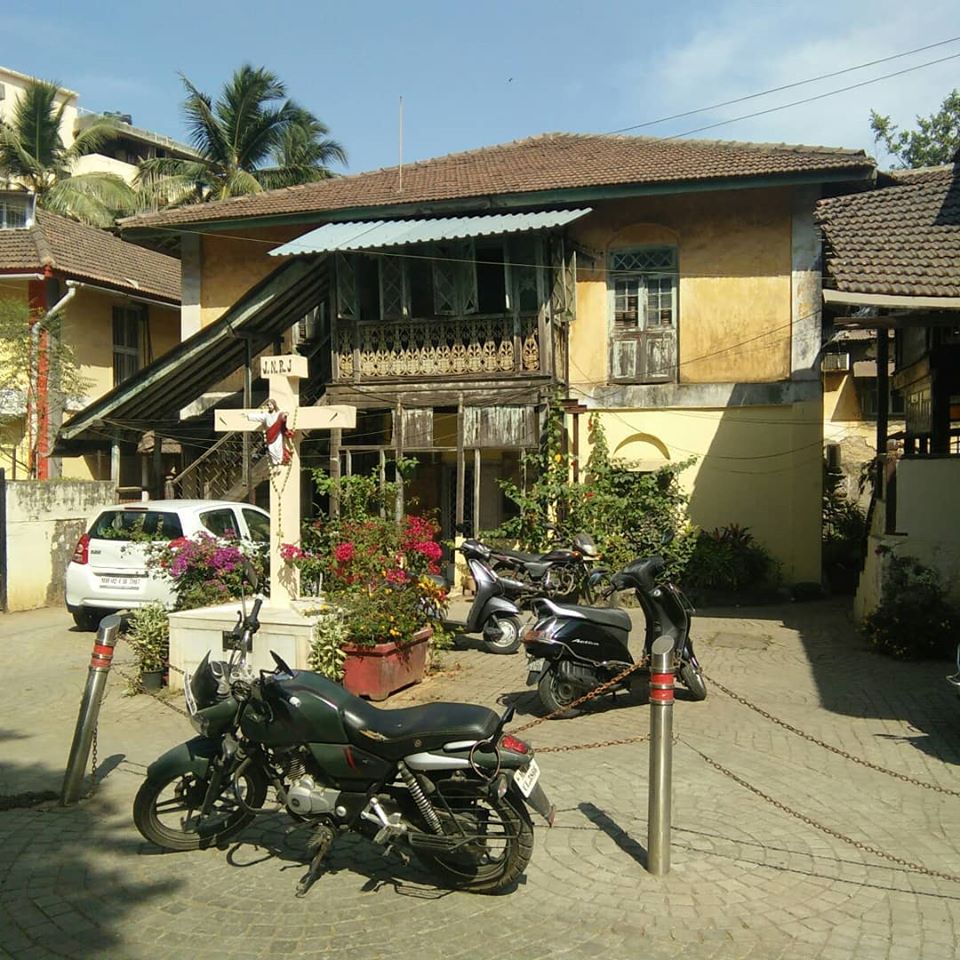
Portuguese fishing villages, old Catholic churches and the bungalows of the East Indian Catholic community, all within a single walk.
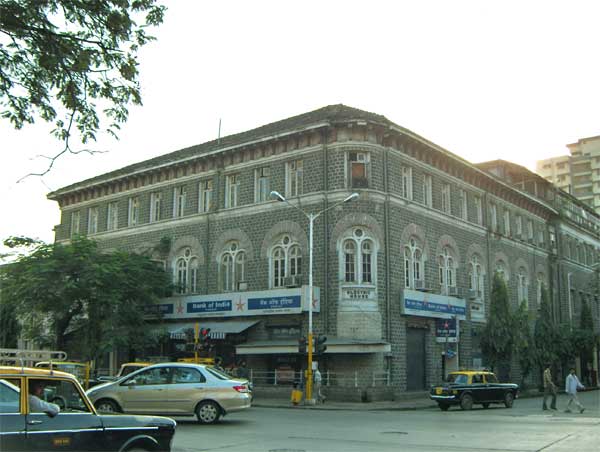
Mumbai's double-decker buses have been a fixture since 1937. Here they are kept, with old tram memorabilia, as part of the story of how the city moved.