
Loading…
Loading…
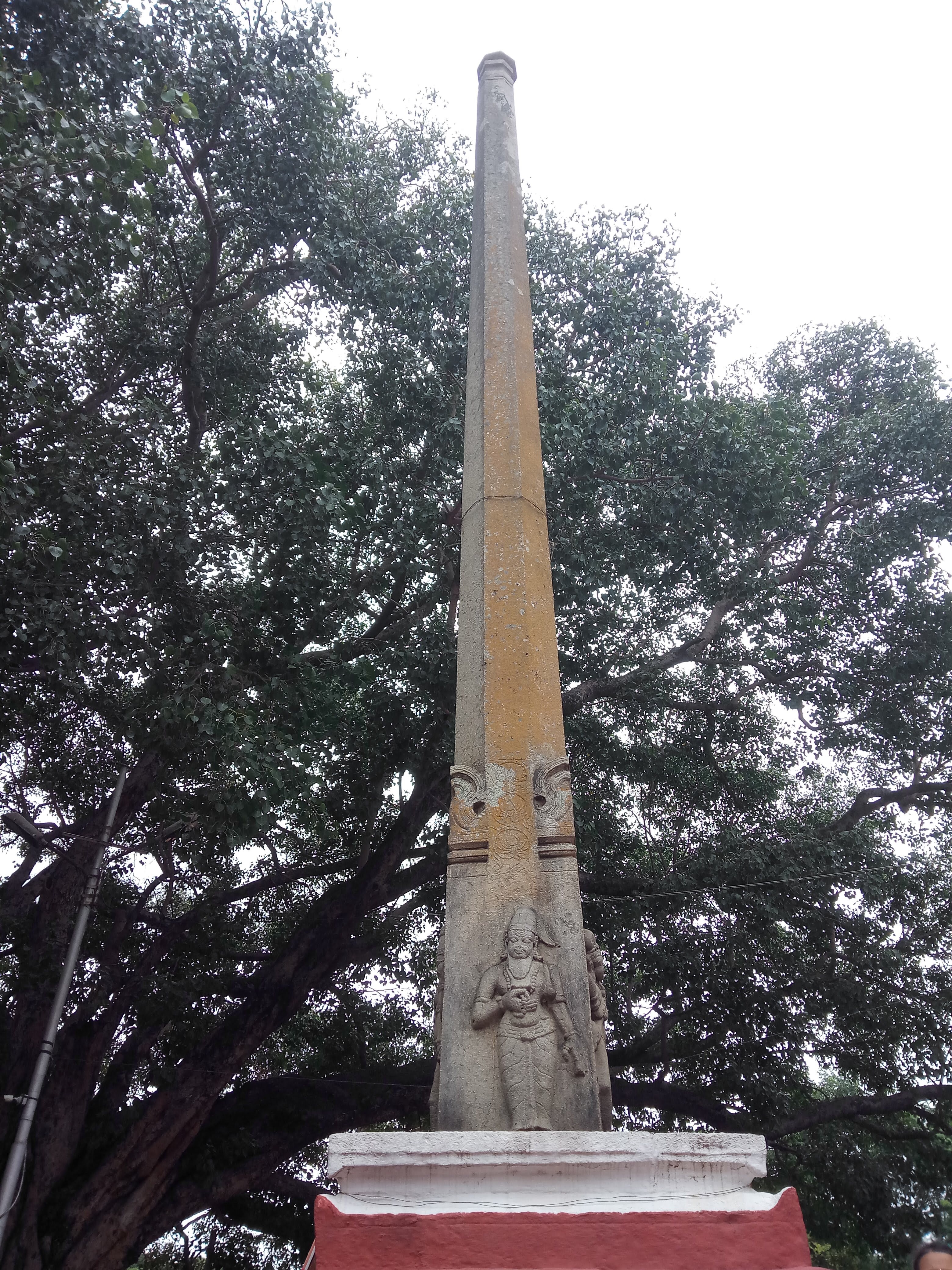 Photo: Photo by Rajenver via Wikimedia Commons (CC BY-SA 3.0)
Legend says the bull grew so large it threatened nearby groundnut crops. Carved from a single block of granite, it still stands over four metres tall.
A Dravidian-style temple built in 1537 by Kempe Gowda, the founder of Bengaluru, dedicated to housing one of the largest monolithic Nandi (bull) statues in India, carved from a single block of granite and standing over four metres tall. Legend holds that the bull once grew so large it threatened nearby groundnut crops, prompting farmers to drive a spear into its back, a mark still visible on the statue today. The temple remains an active place of worship and a popular Bengaluru heritage landmark. Nearby Bugle Rock Park adds a scenic backdrop to a visit.
| Mon-Sun | 6 AM - 9 PM |
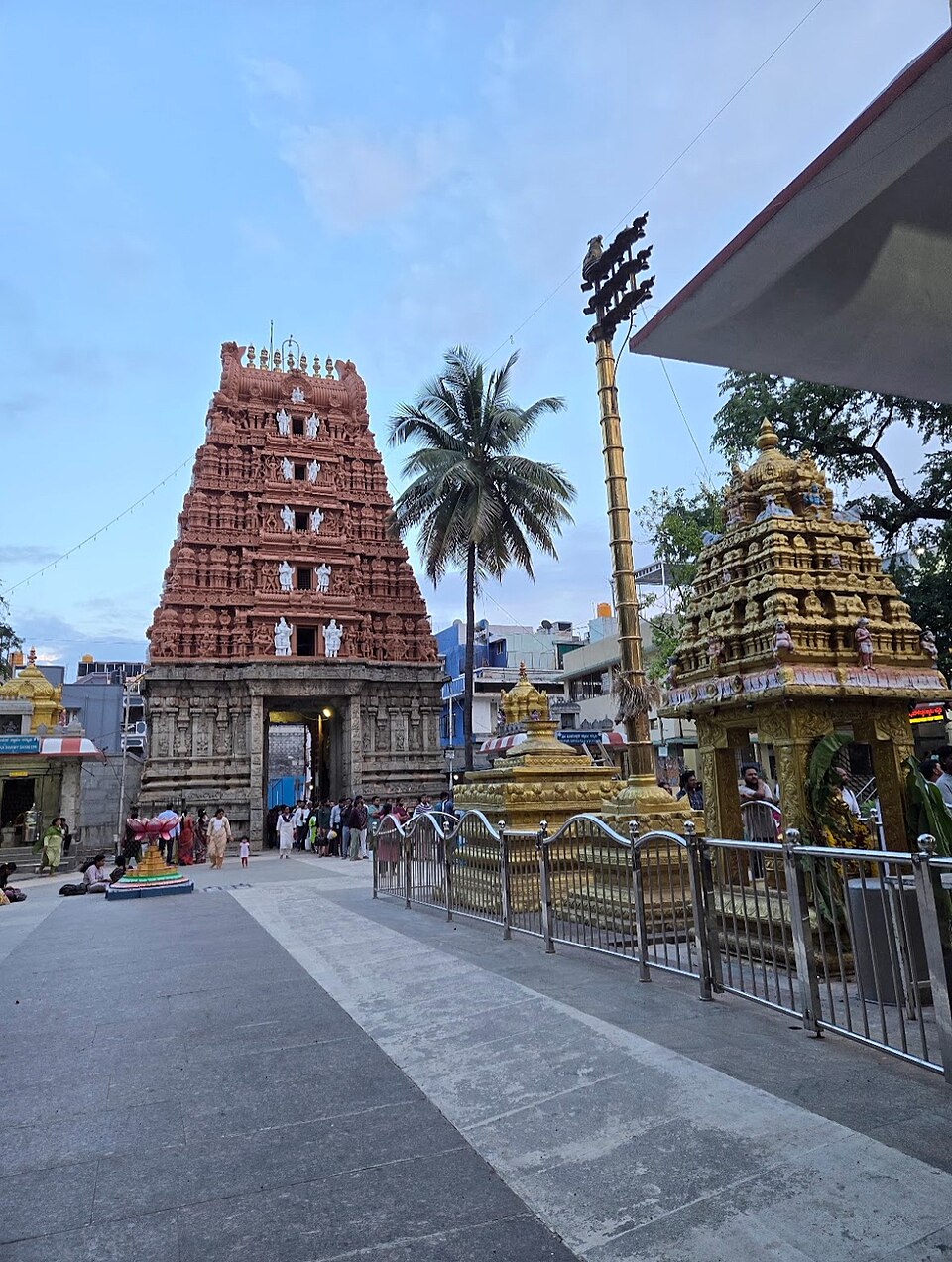
Older than the city itself, this Chola-era Shiva temple by Ulsoor Lake stood for centuries before Kempe Gowda founded Bengaluru.

Modelled on London's St Paul's, it has hosted state functions and memorial services since colonial times.

Each September its feast draws hundreds of thousands of pilgrims, whatever their faith.